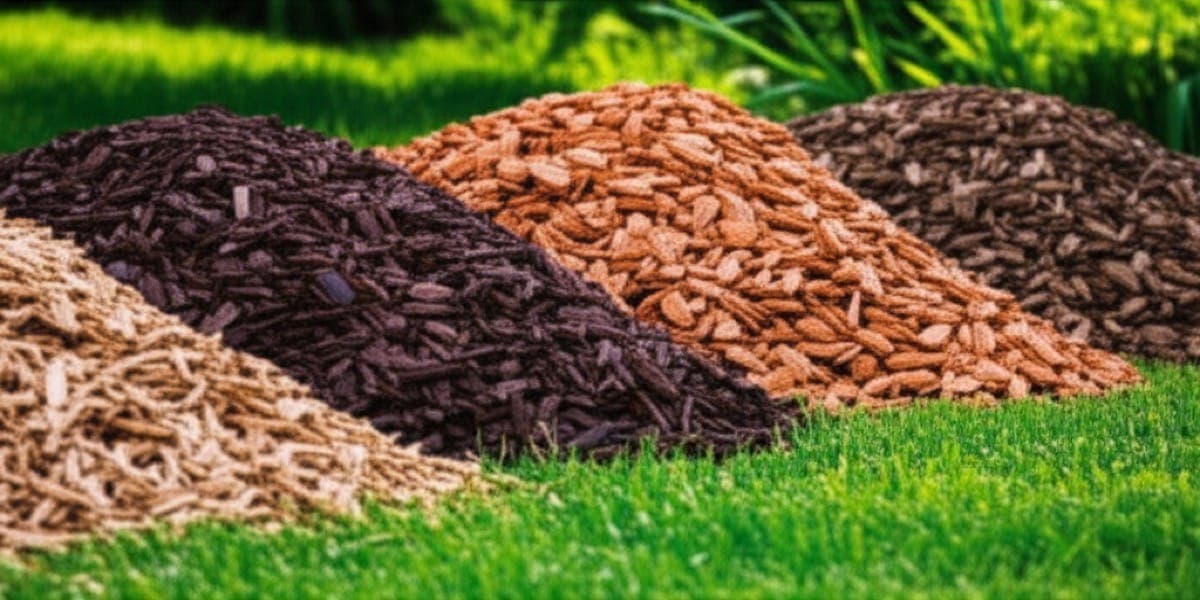
Mulch is a garden essential, but with so many types available, choosing the right one can be confusing. Different mulches offer different benefits depending on your goals, whether that is weed suppression, moisture retention, soil improvement, or aesthetics. Here is a comprehensive comparison of the most common mulch types to help you make the best choice for your garden.
Hardwood Mulch
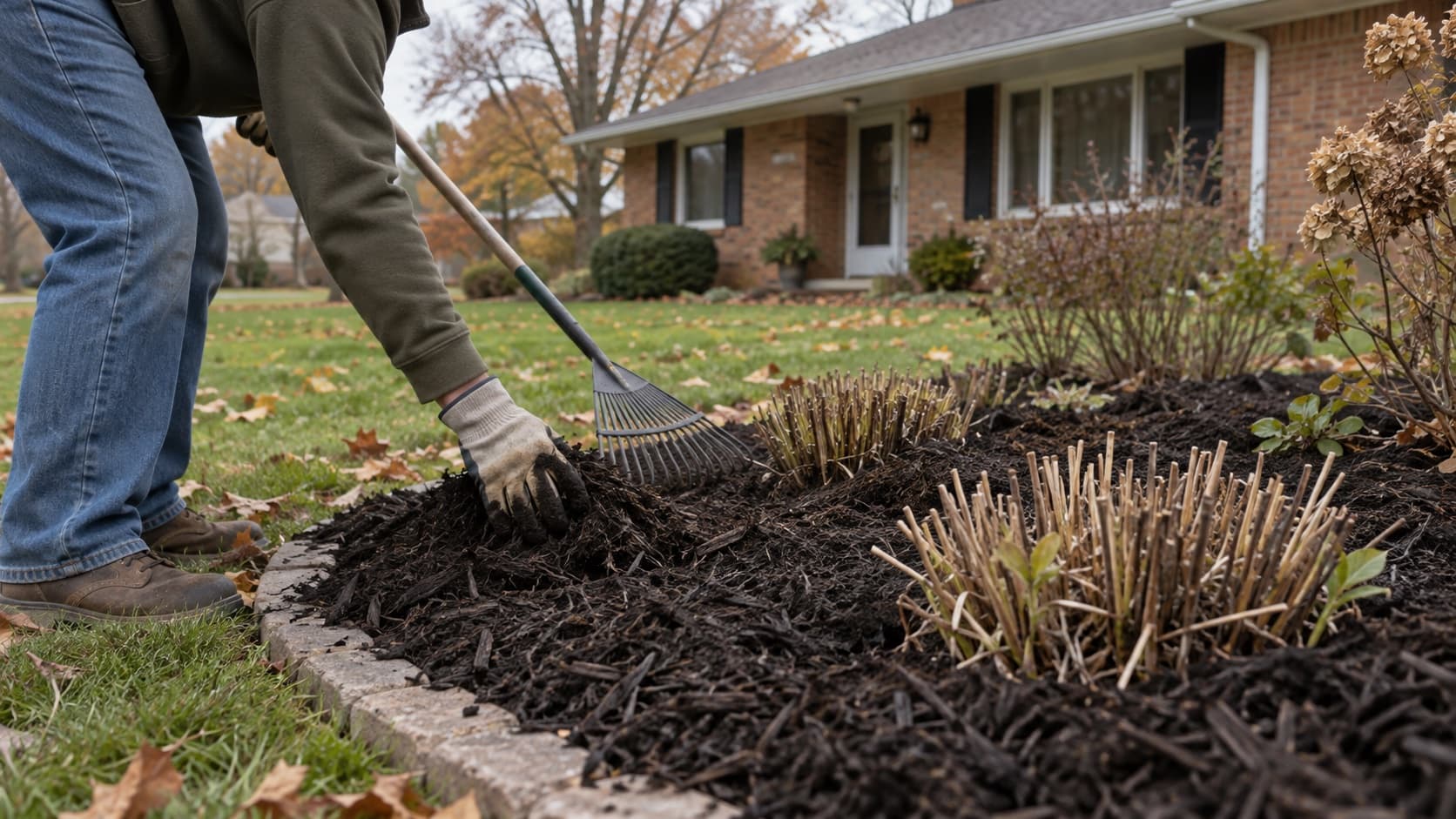
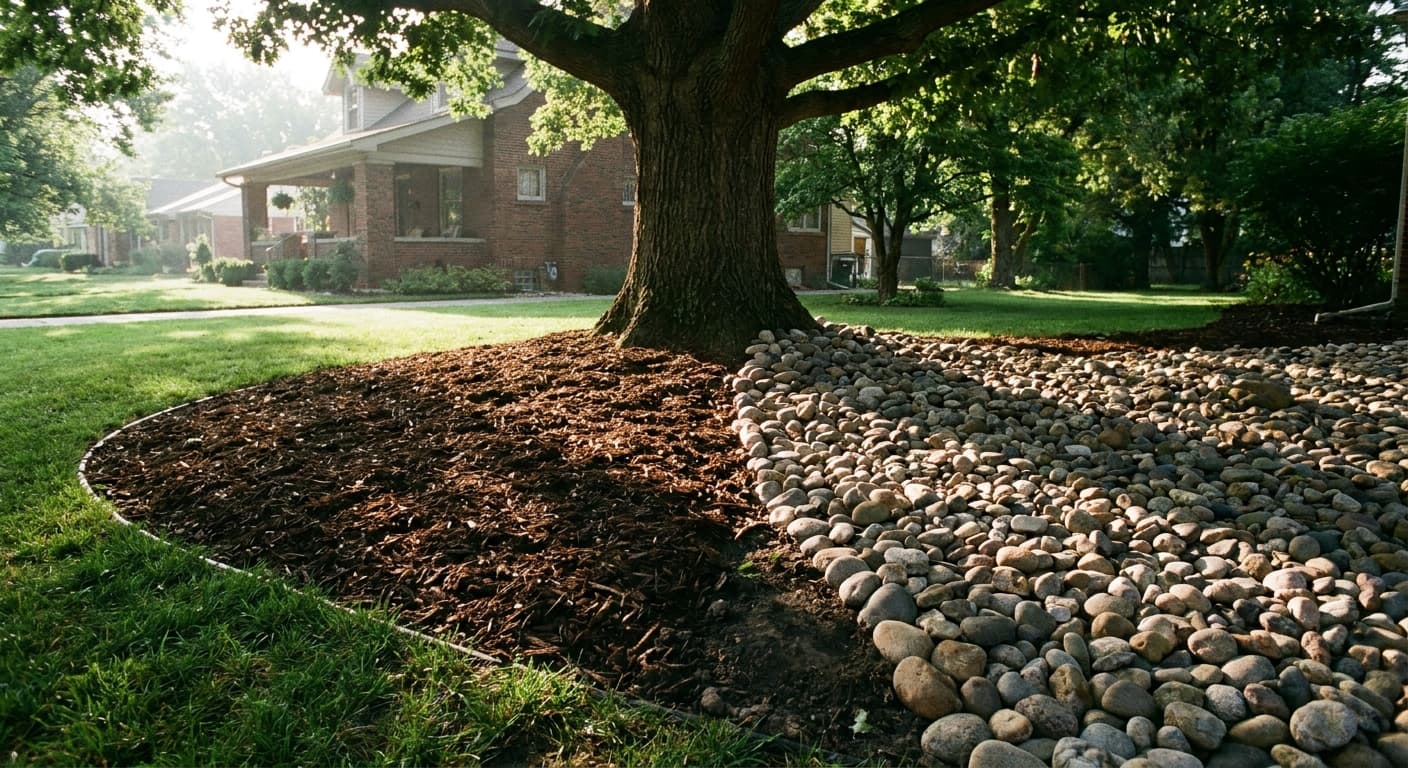
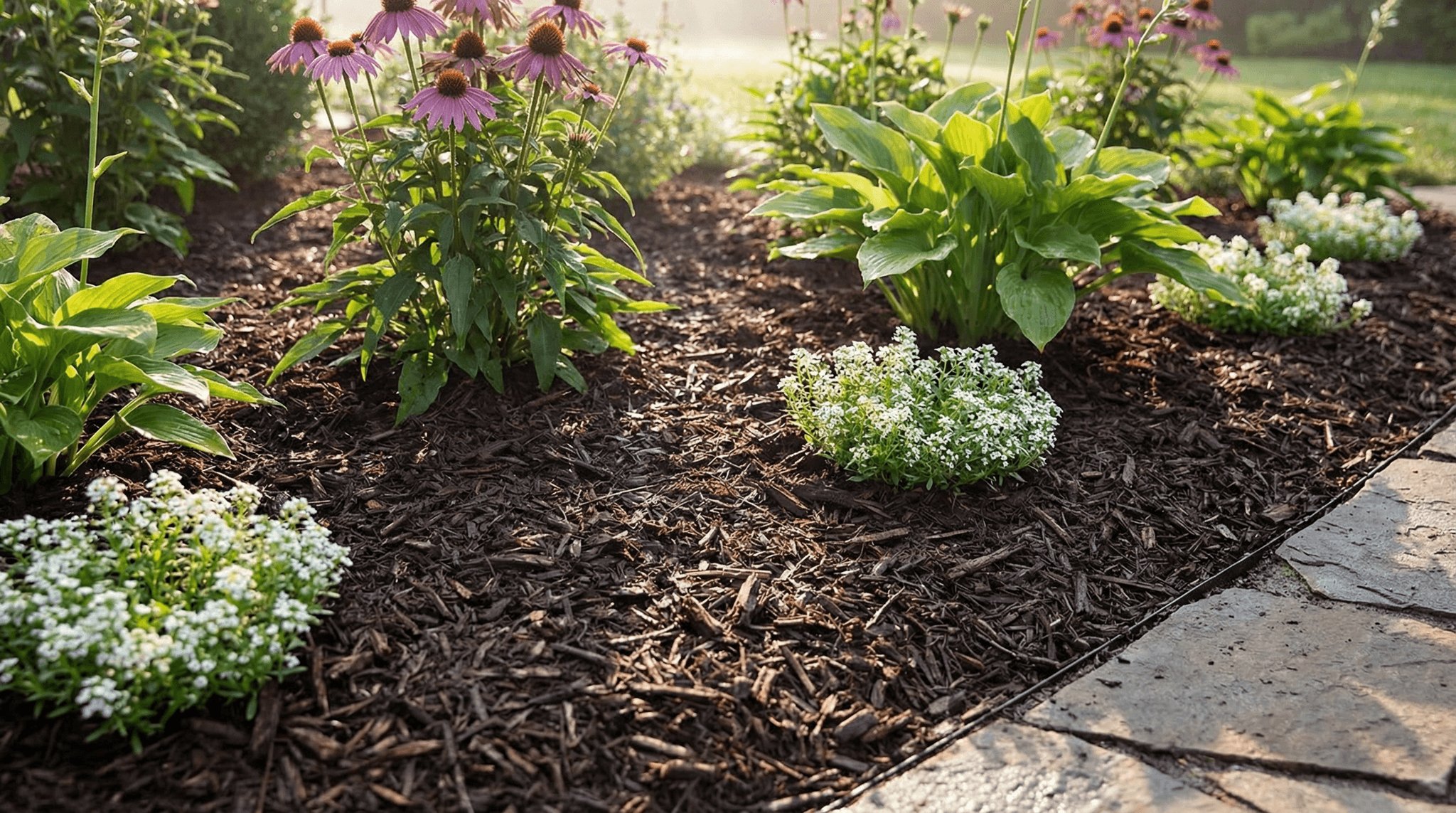
Shredded hardwood mulch is the most popular choice for residential landscapes. It is made from a blend of hardwood species and breaks down slowly, enriching the soil as it decomposes. Hardwood mulch knits together well, resisting washout on slopes. It is available in natural, brown, black, and red-dyed varieties. This mulch type works well around trees, shrubs, and in garden beds, providing excellent weed suppression and moisture retention.
Pine Bark Mulch
Pine bark comes in nugget and shredded forms. Nuggets are large and decorative, ideal for areas where you want a bold, chunky look. However, they can float and shift during heavy rains. Shredded pine bark stays in place better and decomposes faster, adding organic matter to the soil. Pine bark is naturally acidic, making it an excellent choice around acid-loving plants like azaleas, rhododendrons, and blueberries.
Cedar Mulch
Cedar mulch offers a pleasant aroma and natural insect-repelling properties. The oils in cedar wood deter many common garden pests. Cedar breaks down slowly, making it one of the longest-lasting organic mulch options. Its natural light color brightens shady areas. However, cedar mulch can be more expensive than other wood mulches.
Rubber Mulch
Made from recycled tires, rubber mulch does not decompose, does not attract insects, and provides excellent weed suppression. It is popular for playgrounds and certain decorative applications. However, rubber mulch does not improve soil health, can retain excessive heat, and some gardeners have concerns about chemical leaching. It is generally not recommended for vegetable gardens or areas where soil improvement is a goal.
Related Services from Minnick Lawn & Landscaping
- Mulch Delivery & Installation – Premium mulch products delivered and installed
- Landscaping & Garden Design – Custom landscape design and installation
- Professional Lawn Care Services – Mowing, fertilization, and year-round lawn maintenance
Request a free quote from Minnick Lawn & Landscaping for your Fort Wayne property today.
At Minnick Lawn & Landscaping, we supply and install a wide range of mulch products. Contact us to discuss which mulch type is the best fit for your Fort Wayne garden beds.