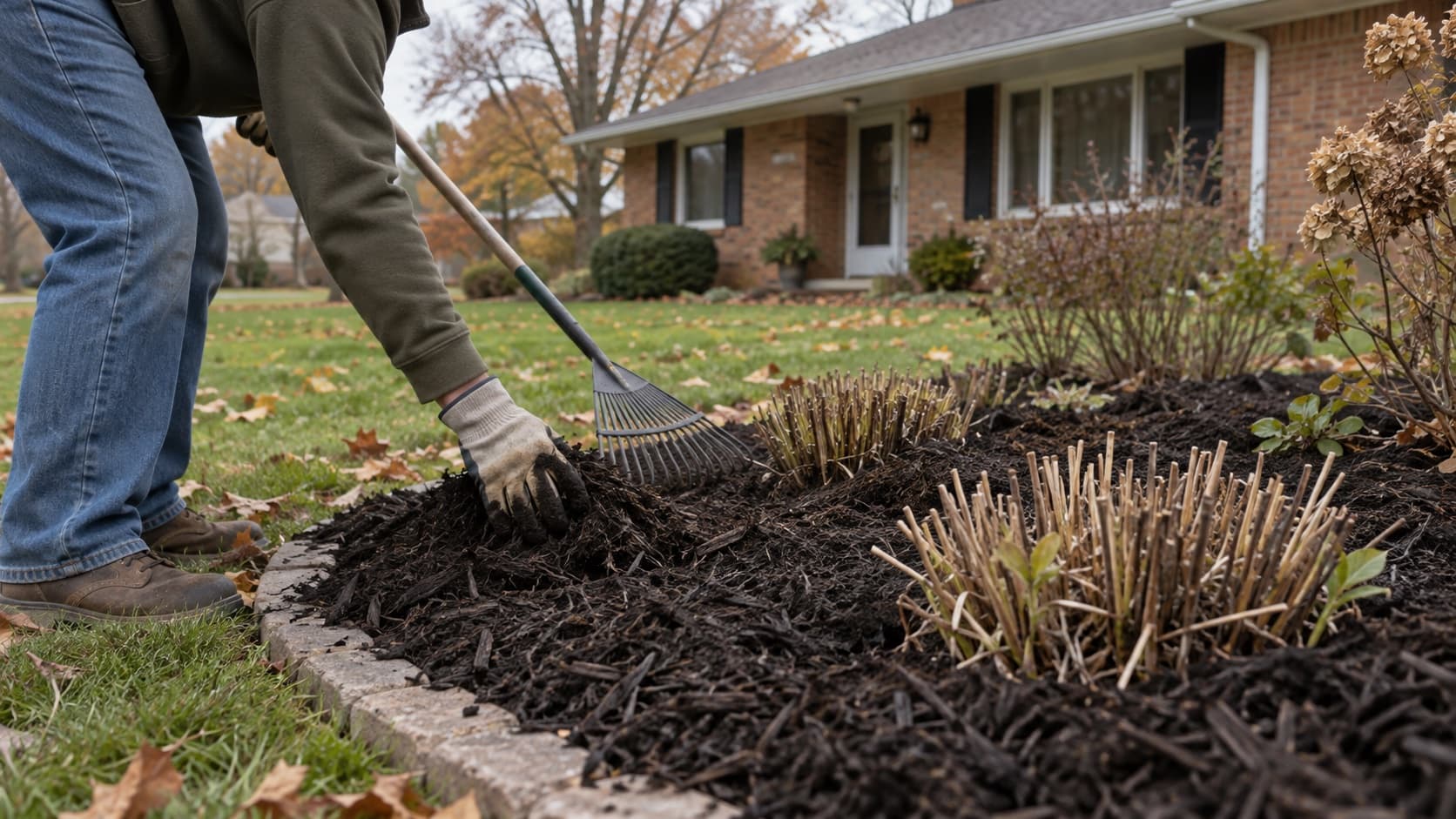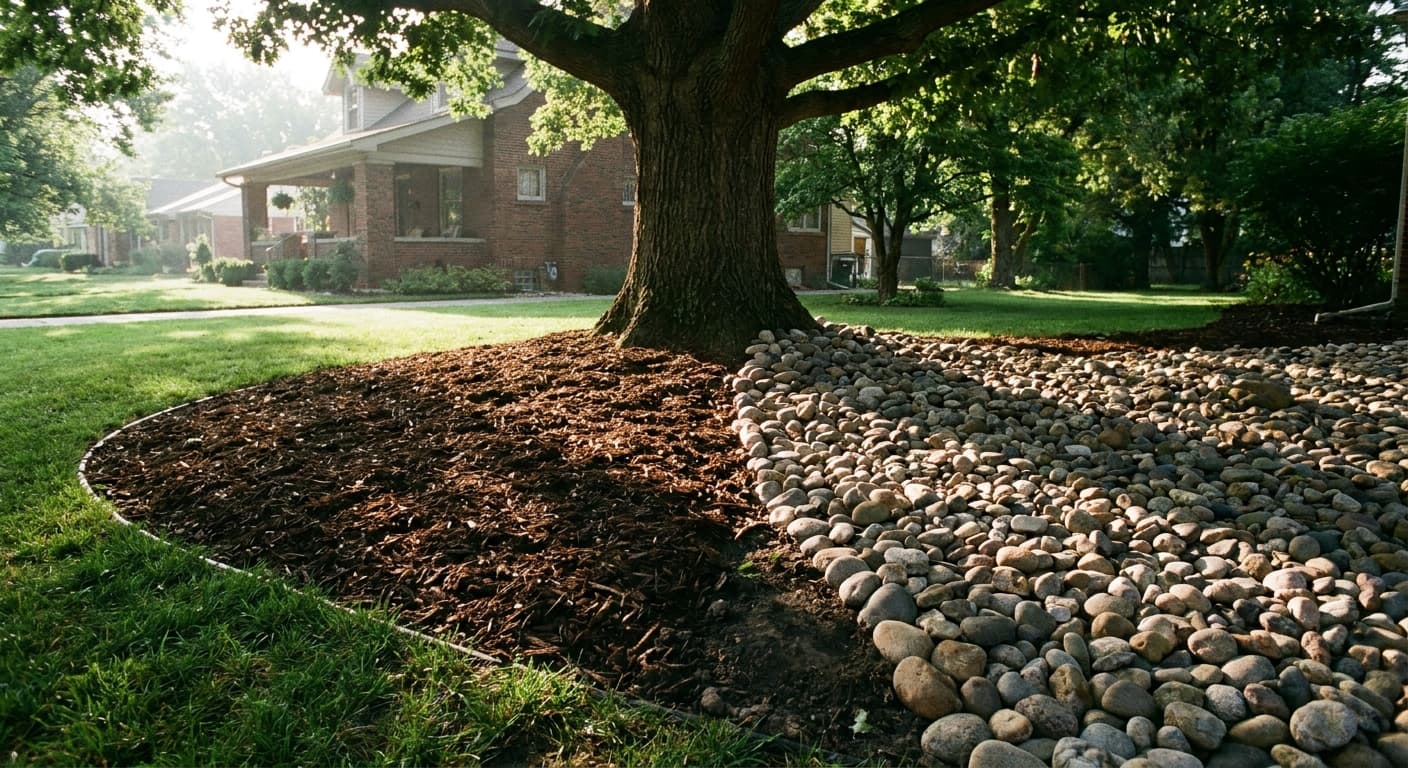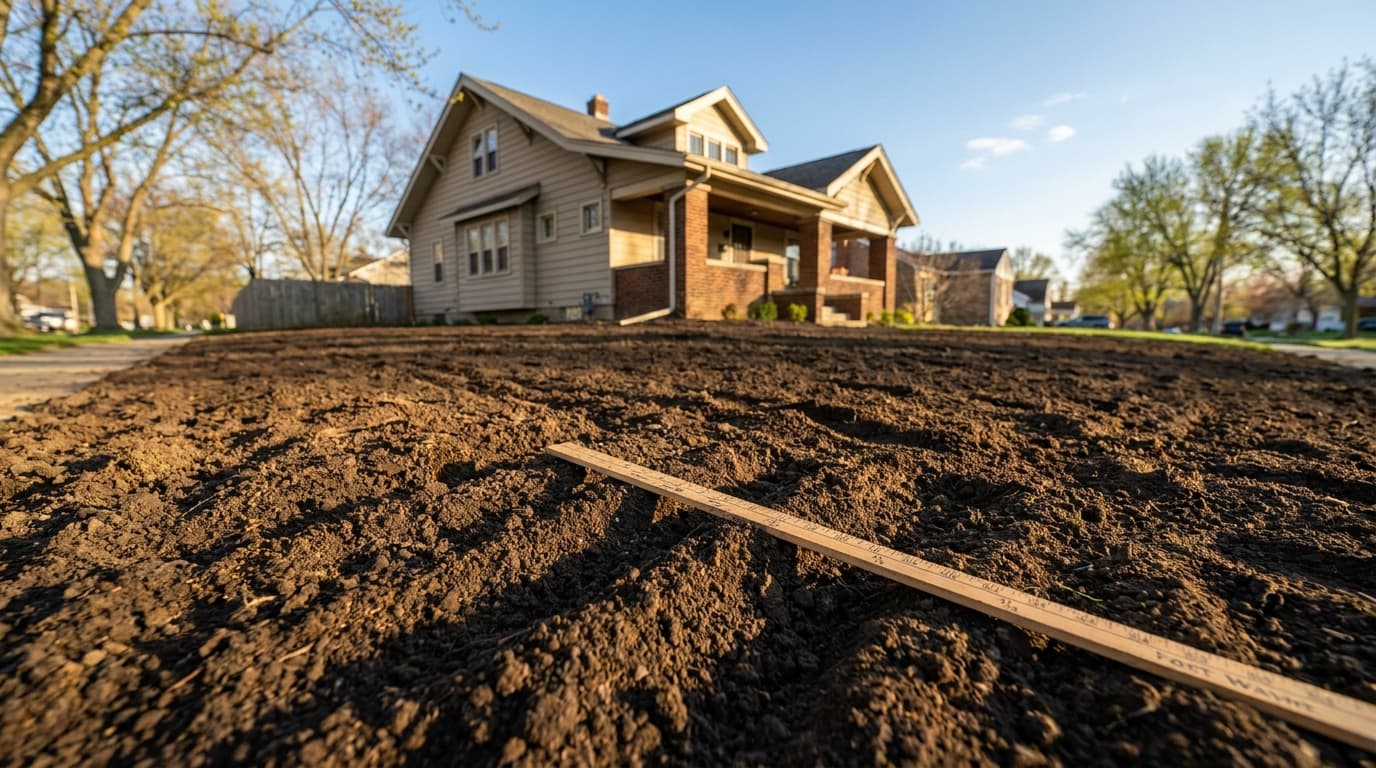
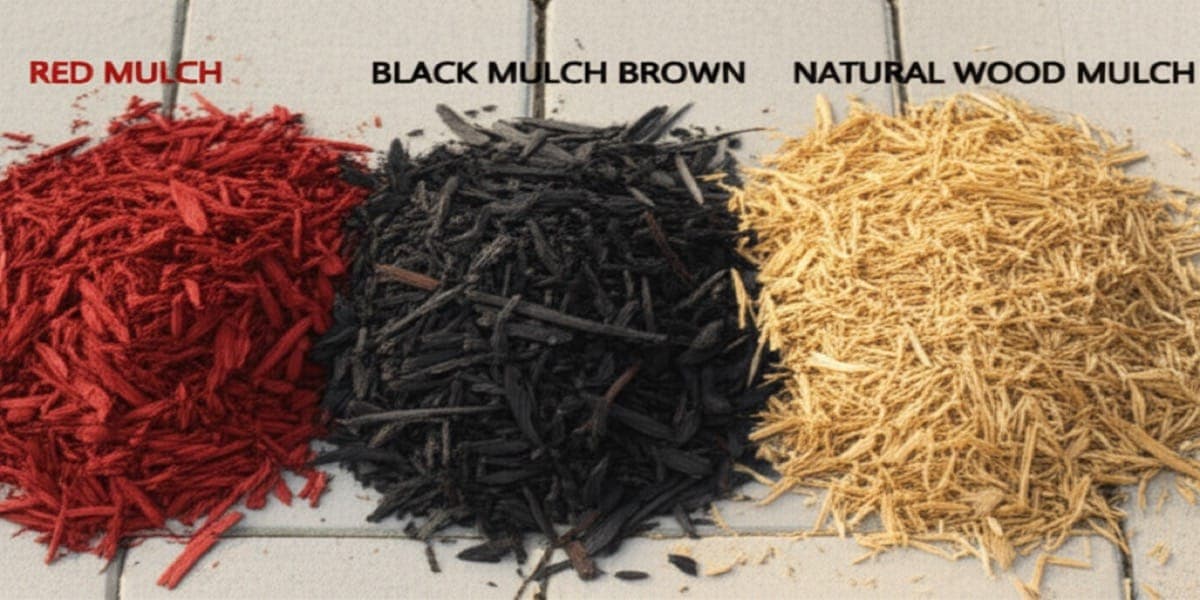
Different colored mulches displayed in Fort Wayne landscape

Mulch color dramatically affects your landscape’s appearance, and the right choice depends on your home’s colors, plant selection, and personal style. While all mulch colors provide the same functional benefits, the visual impact varies significantly. This guide helps you choose the right color for your Fort Wayne property.

Different mulch colors displayed side by side

What Are the Main Mulch Color Options?

The primary mulch colors are natural (brown/tan), brown dyed, black dyed, and red dyed. Natural mulch reflects the original wood color; dyed mulches use colorants to achieve consistent, longer-lasting color. Each creates a different aesthetic effect in your landscape.

Color Overview

ColorLookBest With
NaturalEarthy, rusticTraditional, natural gardens
BrownRich, classicMost homes, versatile
BlackModern, dramaticContemporary, light-colored homes
RedBold, attention-grabbingSpecific styles, brick homes

How Does Natural Mulch Look?

Natural (undyed) mulch displays the original wood color—typically tan to medium brown—and fades to gray over time. It offers the most organic appearance and works well in naturalistic gardens and woodland settings.

Natural mulch characteristics:

  • Varies by wood source
  • Fades to gray (6-12 months)
  • Most organic appearance
  • Works with any style
  • No dye concerns

Best Applications

  • Woodland gardens
  • Native plant beds
  • Informal landscapes
  • Where natural look is priority
  • Around edibles (no dye concerns)

Natural undyed mulch in garden setting

What About Brown Dyed Mulch?

Brown dyed mulch offers the look of fresh wood with longer-lasting color. It’s the most versatile option, complementing nearly any home exterior and plant palette. Quality brown mulches maintain color for 6-12 months before fading.

Brown mulch characteristics:

  • Consistent color
  • Longer-lasting than natural
  • Most versatile choice
  • Works with most homes
  • Professional appearance

Brown Works Best With

  • Traditional homes
  • Earth-tone exteriors
  • Most plant colors
  • When in doubt, choose brown

When Should You Use Black Mulch?

Black mulch creates a modern, dramatic backdrop that makes green foliage and colorful flowers pop. It works particularly well with contemporary architecture and light-colored homes. However, black can look stark in some settings.

Black mulch characteristics:

  • Modern, dramatic
  • Makes colors pop
  • Heat absorption (warmer soil)
  • Best with light structures
  • Fades to gray eventually

Black Works Best With

Home/Garden StyleSuitability
Contemporary homesExcellent
Light-colored sidingExcellent
Colorful flowering bedsExcellent
Traditional/colonialLess suited
Woodland gardensNot recommended

Black Mulch Considerations

  • Absorbs more heat than lighter colors
  • Can look stark against dark homes
  • Shows faded spots more obviously
  • Works better in shaded areas

What About Red Mulch?

Red mulch makes a bold statement that divides opinion—some love it, others find it unnatural. It works well with certain home colors (especially red brick) and specific design styles but can clash with plant colors and other landscape elements.

Red mulch characteristics:

  • High visual impact
  • Polarizing aesthetics
  • Works with specific styles
  • Can clash with plant colors
  • Fades to pink/orange tones

Red Works With

  • Red brick homes
  • Southwestern styles
  • When bold statement intended
  • Limited plant palette (greens)

Red Considerations

  • Clashes with pink, purple, orange flowers
  • Fades to pink/salmon
  • Difficult to transition away from
  • Not for resale-focused landscaping

Red mulch around green shrubs

Are Mulch Dyes Safe?

Commercial mulch dyes are generally considered safe. Most use iron oxide (brown/red) or carbon (black)—the same compounds found naturally. Quality dyes bond to the wood and don’t leach significantly. However, concerns exist about dyes from recycled wood sources.

Dye Safety

Dye ColorCommon ColorantSafety
BrownIron oxideGenerally safe
BlackCarbonGenerally safe
RedIron oxideGenerally safe

Concerns:

  • Recycled wood mulch may contain contaminants
  • Unknown source wood is higher risk
  • Vegetable gardens: use undyed mulch

How Do You Choose the Right Color?

Consider your home’s exterior color, existing hardscape, plant selection, and personal style. When uncertain, brown is the safest choice. Walk your property and imagine each color against your specific elements.

Decision Framework

FactorConsideration
Home exteriorComplement, don’t match
Hardscape colorShould coordinate
Plant colorsThink about blooms
NeighborhoodConsider cohesion
Personal styleTrust your preference

Color Coordination Guide

Home ColorGood Mulch Choices
White/creamBlack, brown
GrayBlack, natural
Tan/beigeBrown, natural
Red brickBrown, red
YellowBrown, natural
Dark colorsBrown, natural

Does Mulch Color Affect Plants?

Mulch color has minimal direct impact on plant health—all colors suppress weeds and retain moisture equally. Black mulch does absorb more heat, which may slightly affect soil temperature in full sun locations.

Functional Differences

ColorHeat AbsorptionPractical Impact
BlackHighestSlightly warmer soil
RedModerateMinimal
BrownModerateMinimal
NaturalLowestSlightly cooler soil

Our mulch delivery services offer all color options throughout Fort Wayne.


Request a Free Quote or call us at (260) 450-4676 for mulch delivery.


Frequently Asked Questions

Which mulch color lasts longest?

All dyed mulches maintain color similarly (6-12 months). Natural mulch fades fastest. Quality of dye matters more than color.

Can I switch mulch colors?

Yes—though the old color may show through initially. For dramatic changes (red to black), remove old mulch first.

Does black mulch attract more insects?

No evidence supports this. All mulches can harbor insects; color doesn’t affect pest attraction.


Adam Minnick is the owner of Minnick Lawn & Landscaping, serving Fort Wayne, Auburn, and Northeast Indiana since 2018.