Stressed lawn during summer heat in Fort Wayne

Fort Wayne summers bring periods of intense heat and drought that stress even established lawns. Cool-season grasses (Kentucky bluegrass, fescue, perennial ryegrass) naturally struggle when temperatures exceed 85°F and rainfall is scarce. Understanding how to manage lawn stress—and when to let your lawn rest—keeps it healthy long-term.

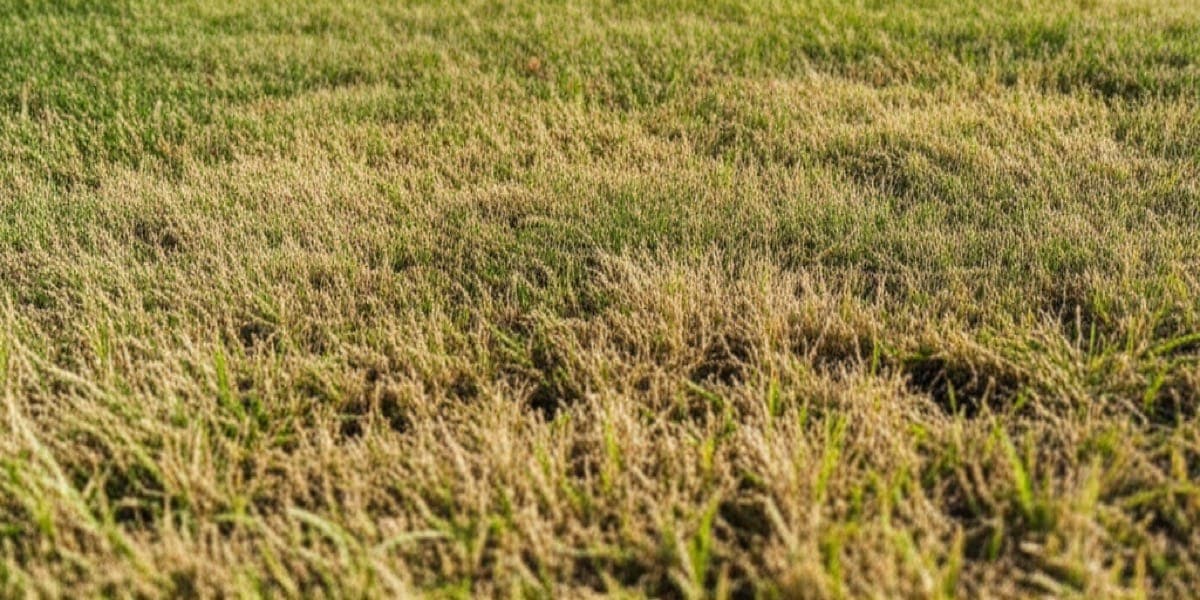
Heat-stressed lawn showing drought symptoms

Why Do Lawns Struggle in Summer?

Cool-season grasses evolved for temperatures between 60-75°F. Above 85°F, they shift energy from growth to survival. Combined with drought, this creates visible stress: wilting, browning, dormancy. This is natural—not necessarily a sign of lawn failure.

Summer Stress Factors

FactorEffect on Lawn
High heat (85°F+)Reduced growth, stress
DroughtWilting, browning
Hot nightsNo recovery period
Intense sunIncreased water demand
Compacted soilWorsens all stress

What Does Heat Stress Look Like?

Heat-stressed lawns show specific symptoms: footprinting (footprints remain visible), bluish-gray color, wilting, and eventually browning. Recognizing early signs allows intervention before damage becomes severe.

Stress Symptom Progression

StageSymptomsStatus
Early stressFootprinting, blue-gray tingeNeeds water
ModerateWilting, color fadingSignificant stress
DormancyBrown, crispySurvival mode
SevereBrown with no recoveryPossible death

Stress vs Dormancy vs Death

Drought dormancy:

  • Natural survival mechanism
  • Grass turns brown but roots live
  • Recovers when conditions improve
  • Can survive 4-6 weeks

Dead grass:

  • Won’t recover regardless of conditions
  • Crowns are brittle, dead
  • Pull test: grass pulls out easily
  • Requires reseeding

How Do You Water During Drought?

Deep, infrequent watering encourages deep roots and drought tolerance. Frequent shallow watering creates shallow roots and increases stress. Water in early morning to reduce evaporation and disease risk.

Watering Best Practices

Timing:

  • Water early morning (4-9 AM)
  • Avoid evening (promotes disease)
  • Avoid midday (evaporation loss)

Depth and frequency:

  • Apply 1-1.5 inches per week
  • Better as 1-2 deep waterings
  • Not daily light watering
  • Check soil moisture depth

Watering Guidelines

ConditionApproach
Normal summer1" per week, split into 2 sessions
Hot/drought1.5" per week if watering
Water restrictionsFollow rules, accept dormancy
No irrigationLet lawn go dormant

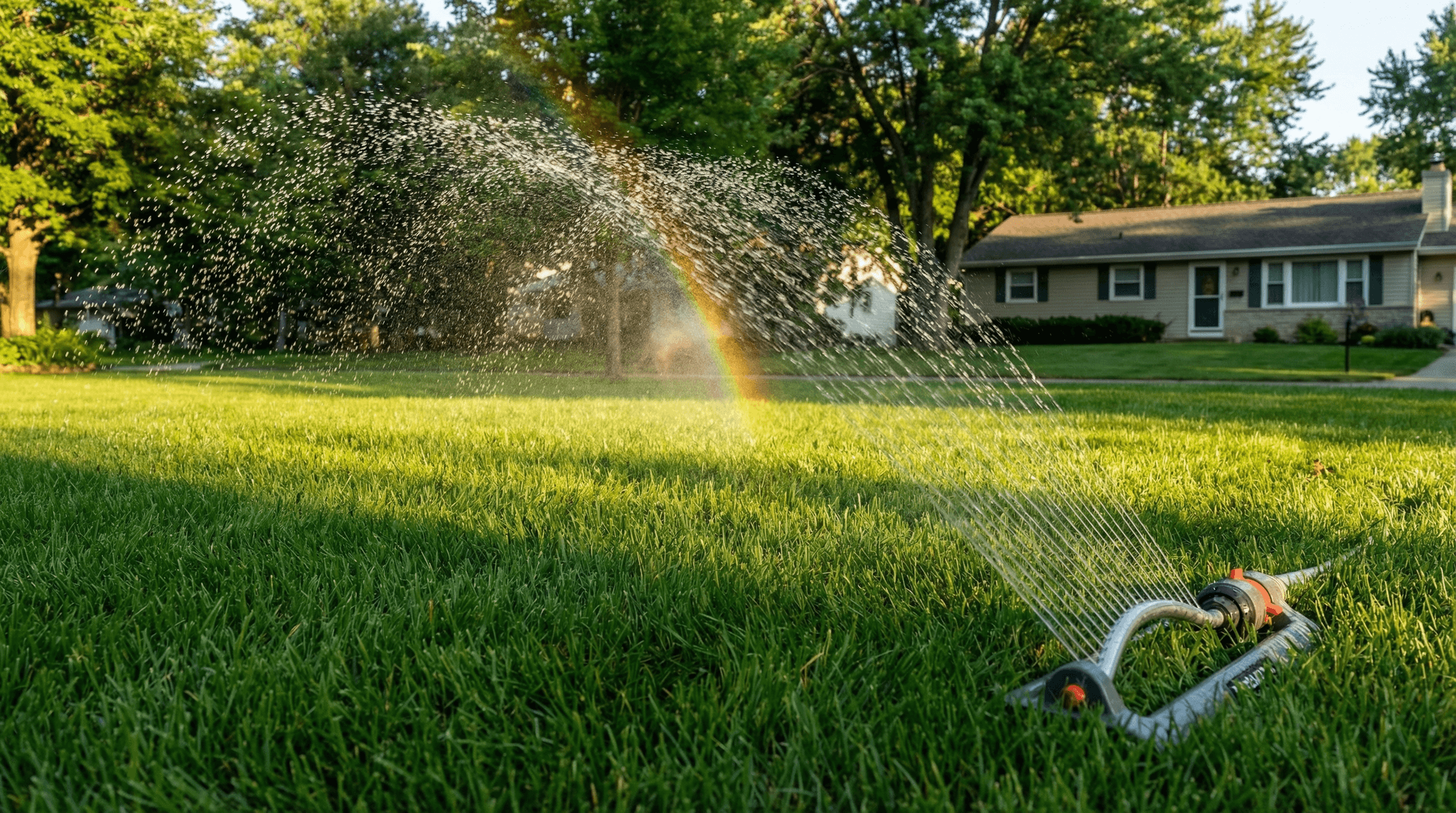
Sprinkler watering lawn in early morning

Should You Let Your Lawn Go Dormant?

Dormancy is a natural survival strategy. If you can’t water adequately, allowing dormancy is healthier than inconsistent watering. The key: once dormant, don’t try to wake it up until fall—partial dormancy stresses grass more than full dormancy.

Dormancy Decision

Let it go dormant if:

  • Water restrictions in place
  • No irrigation system
  • Can’t water consistently
  • Don’t mind temporary brown

Keep it green if:

  • Can water adequately (1"+ weekly)
  • Will maintain consistency
  • Have irrigation system
  • Appearance priority

Dormancy Rules

  1. Commit either way: Water consistently OR let go fully dormant
  2. Don’t flip-flop: Inconsistent is worse than dormancy
  3. Some water helps: 1/2" every 2-3 weeks keeps crowns alive
  4. Wait for fall: Dormant lawns recover naturally when cool

How Do You Mow During Heat Stress?

Raise your mowing height to 3.5-4 inches during heat stress. Taller grass shades roots, retains moisture, and stays healthier. Avoid mowing during peak heat. Never remove more than 1/3 of blade height.

Summer Mowing Adjustments

PracticeSummer Adjustment
HeightRaise to 3.5-4"
FrequencyMow less often
TimingEarly morning or evening
BladeKeep sharp (reduce stress)

Mowing Stress Lawn

  • Skip mowing if lawn isn’t growing
  • Don’t mow dormant lawns
  • Mow when grass is dry
  • Leave clippings (moisture retention)

Should You Fertilize During Summer Stress?

Do not fertilize stressed lawns. Fertilizer stimulates growth that the grass can’t support under stress, making damage worse. Wait until fall when temperatures moderate and recovery begins naturally.

Summer Fertilization Rules

  • No nitrogen on stressed lawns
  • Exception: Light application of potassium (K) can help stress tolerance
  • Resume fertilizing: When temperatures consistently below 85°F
  • Best approach: Plan for fall fertilization

What Other Care Should You Avoid?

During heat stress, minimize all lawn activities that add stress: heavy traffic, dethatching, aerating, weed treatments. These activities are better for spring or fall when grass can recover.

Activities to Delay

ActivityWhy Delay
AerationStresses lawn, loses moisture
DethatchingMajor stress event
Heavy herbicidesDamage stressed grass
OverseedingSeeds won’t establish
Heavy trafficDamages stressed grass

Recovering lawn after drought stress

How Do You Help Your Lawn Recover?

Recovery happens naturally as temperatures drop in fall. Help by gradually returning normal care: resume watering if you stopped, mow at normal height as growth returns, and fertilize when temperatures consistently below 80°F.

Recovery Timeline

TimingAction
Late summerContinue reduced care
Early fallResume normal watering
Mid-fallApply fall fertilizer
Late fallOverseed damaged areas

Fall Recovery Steps

  1. Resume watering: If you stopped during dormancy
  2. Gradually lower mowing: From 4" back to 3-3.5"
  3. Apply fertilizer: When temps consistently below 80°F
  4. Overseed: Fill in damaged areas
  5. Aerate: If compaction is an issue

When Is Professional Help Needed?

Most lawn stress and dormancy resolves naturally. Consider professional help if your lawn doesn’t recover by mid-fall, if dead areas are extensive, or if you want expert assessment of the damage.

Seek help for:

  • No recovery by October
  • Large dead areas
  • Recurring annual problems
  • Uncertain about lawn condition

Our lawn services help Fort Wayne lawns survive and recover from summer stress.


Request a Free Quote or call us at (260) 450-4676 for lawn care service.


Frequently Asked Questions

Will my brown lawn come back?

Dormant lawns recover when temperatures and moisture return—usually within 2-3 weeks of fall conditions. Test by pulling grass: if it resists, roots are alive.

How long can grass stay dormant?

Most cool-season grasses survive 4-6 weeks of dormancy. Longer periods, especially without any water, risk permanent damage.

Should I water a dormant lawn at all?

A small amount (1/2 inch every 2-3 weeks) helps keep grass crowns alive without triggering growth. This extends survival during extended drought.


Adam Minnick is the owner of Minnick Lawn & Landscaping, serving Fort Wayne, Auburn, and Northeast Indiana since 2018.