Spring lawn care in Fort Wayne requires precise timing based on our Zone 5b climate and clay-heavy soil conditions. Success depends on monitoring soil temperatures, implementing proper fertilization, and preventing crabgrass before it emerges in late April.
When Should Fort Wayne Homeowners Start Spring Lawn Care?
Begin spring lawn care when soil temperatures consistently reach 50°F, typically mid-March in Northeast Indiana. This temperature triggers grass root growth and determines the timing for fertilizer application and pre-emergent treatments.
Monitor soil temperature with a simple thermometer inserted 2-3 inches deep. Take readings for three consecutive days in shaded areas of your lawn. Fort Wayne's clay soil retains moisture and warms slower than sandy soils, so patience is crucial.
Early spring tasks include:
Removing debris and winter damage
Light raking to remove dead grass
Testing soil pH levels
Planning your fertilization schedule
What's the Best Fertilizer Program for Fort Wayne Lawns?
A proper fertilizer program for Northeast Indiana lawns includes four applications: early spring, late spring, summer, and fall. The first application should contain 20-25% slow-release nitrogen to feed grass gradually as temperatures warm.
Fort Wayne's clay soil typically has adequate phosphorus levels, so focus on nitrogen and potassium. Apply the first treatment when forsythia begins blooming, usually early to mid-April. Use a fertilizer with an NPK ratio of 28-3-10 or similar for cool-season grasses like fescue and bluegrass.
Professional lawn care services in Fort Wayne often recommend these timing guidelines:
Early April: Spring fertilizer with pre-emergent
Late May: Second feeding with weed control
Mid-July: Summer application with slow-release nitrogen
September: Fall fertilizer for root development
How Do You Prevent Crabgrass in Fort Wayne Lawns?
Prevent crabgrass by applying pre-emergent herbicide when soil temperatures reach 55°F for five consecutive days, typically late April in Northeast Indiana. This treatment creates a chemical barrier that stops crabgrass seeds from germinating.
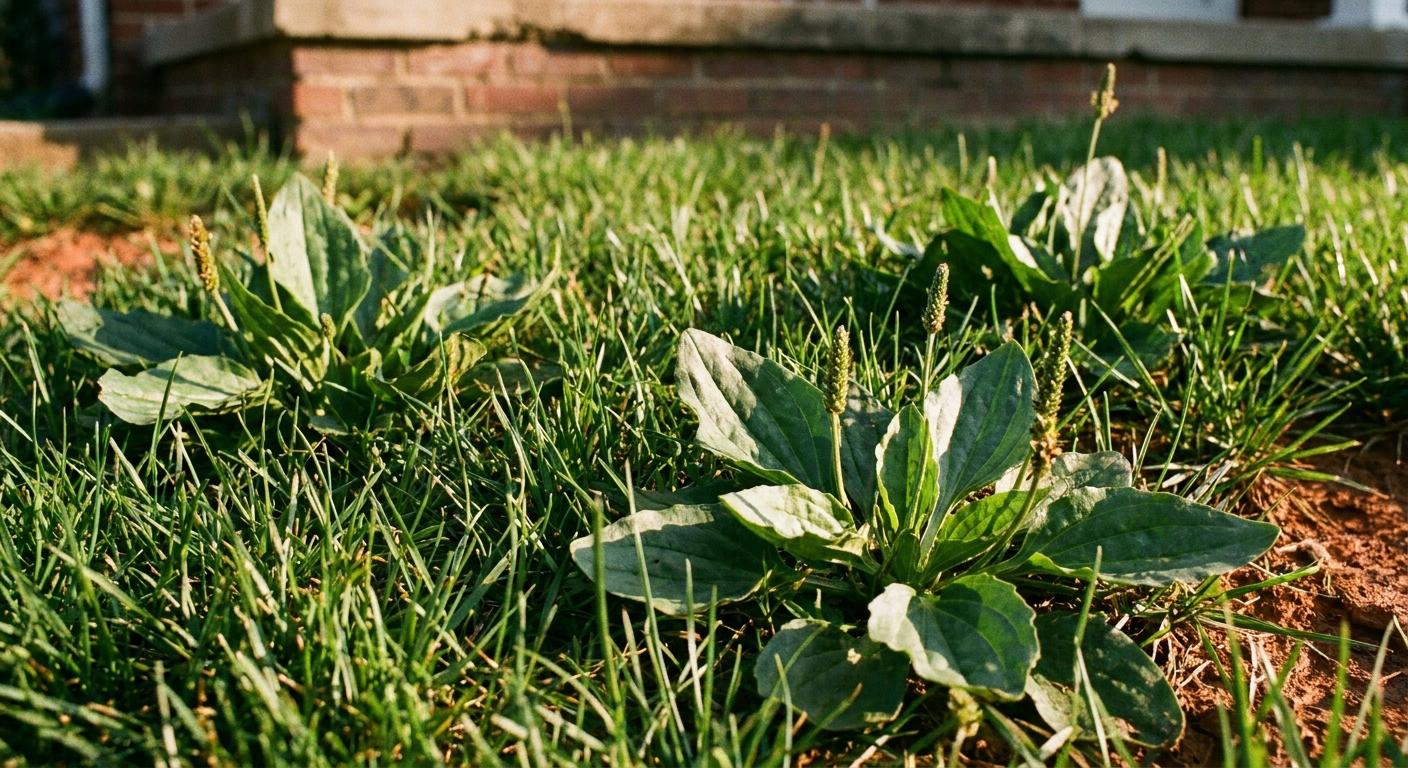
Crabgrass germinates when soil temperatures consistently hit 60-65°F, which occurs in early May around Fort Wayne. Missing the pre-emergent window means battling established weeds all summer. Popular pre-emergent options include prodiamine, pendimethalin, and dithiopyr.
Combine pre-emergent treatment with these prevention strategies:
Maintain thick, healthy grass to crowd out weeds
Water deeply but infrequently to favor grass over weeds
Set mowing height at 3-4 inches to shade soil
Overseed thin areas in fall to prevent spring weed invasion
The key to crabgrass prevention in Fort Wayne is timing your pre-emergent application before soil temperatures consistently reach 55°F, which typically happens in late April.
What Spring Maintenance Tasks Should Fort Wayne Homeowners Prioritize?
Priority spring maintenance includes dethatching, aeration, overseeding bare spots, and edge trimming. Fort Wayne's clay soil compacts easily, making spring aeration essential for root development and water penetration.
Core aeration should be done when soil moisture is optimal – not too wet or too dry. In Northeast Indiana, this usually occurs in late April or early May. Rent a core aerator or hire professionals for lawns over 5,000 square feet.
Additional spring maintenance tasks:
Clean and sharpen mower blades for clean cuts
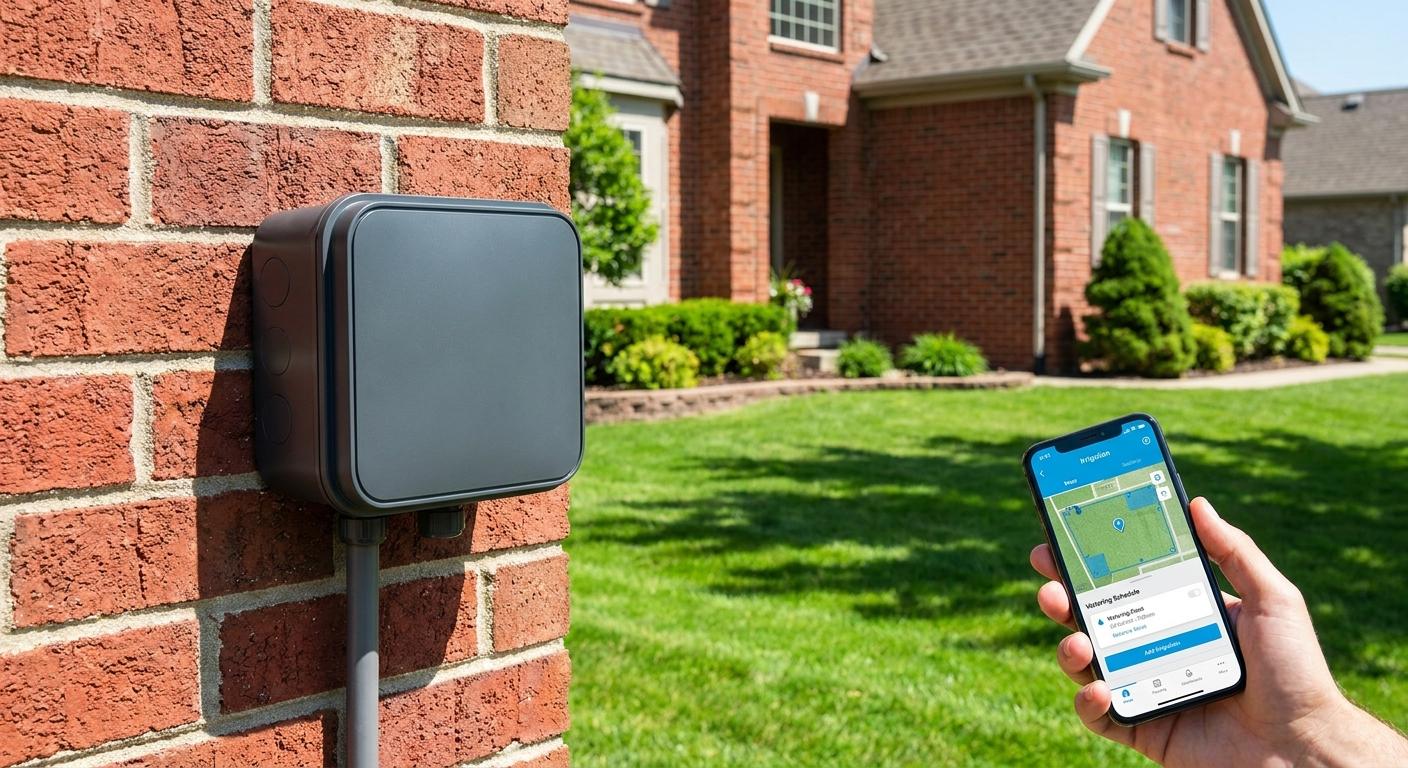
Service sprinkler systems and check for winter damage
Apply lime if soil test shows pH below 6.0
Trim tree branches blocking sunlight from grass
Repair winter salt damage near driveways and sidewalks
How Should You Handle Northeast Indiana's Clay Soil Challenges?
Fort Wayne's clay soil requires special attention for drainage, compaction, and nutrient availability. Amend clay soil gradually with organic matter like compost to improve structure without disrupting established grass roots.
Clay soil holds nutrients well but can become waterlogged and compacted. Spring is ideal for adding a thin layer of compost or hiring landscaping professionals for soil amendments. Never work clay soil when it's wet – wait until it crumbles in your hand rather than forming a ball.
Clay soil management strategies include:
Annual core aeration to reduce compaction
Topdressing with compost in early spring
Installing drainage solutions in problem areas
Using calcium to improve soil structure
Selecting grass varieties suited for clay conditions
What's the Proper Mowing Schedule for Spring in Fort Wayne?
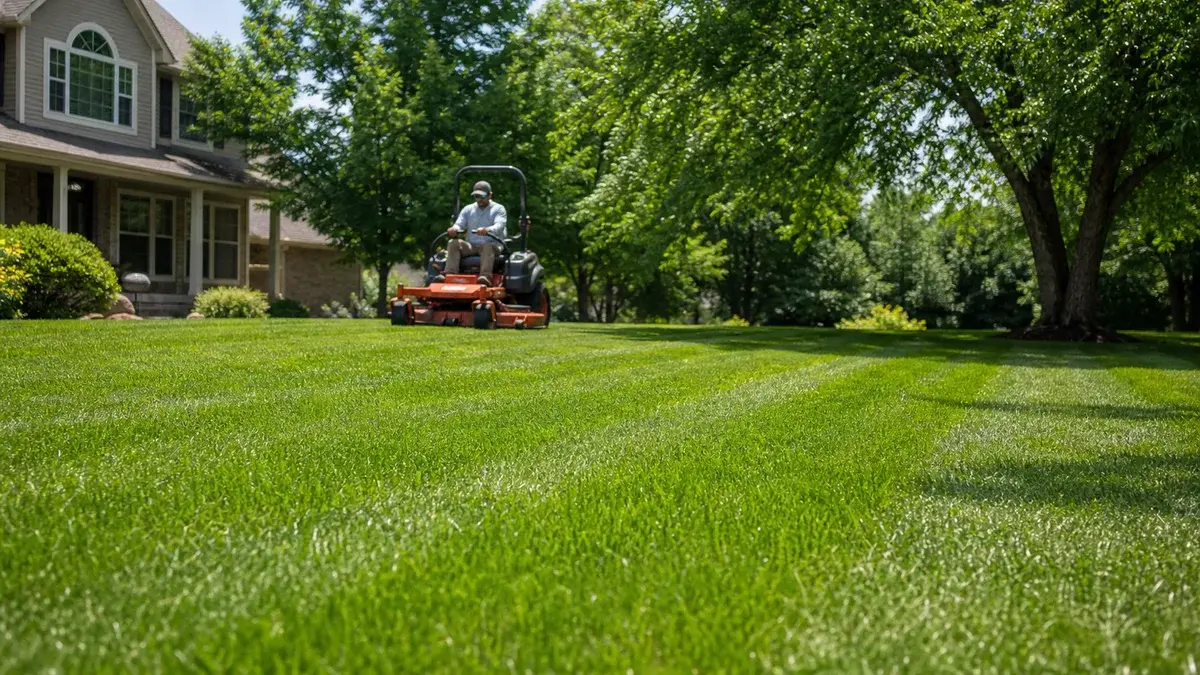
Begin mowing when grass reaches 4-5 inches height, typically mid-April in Fort Wayne. Set cutting height at 3-4 inches for cool-season grasses to promote deep root growth and shade out weeds during summer stress.
Never remove more than one-third of the grass blade length in a single cutting. During spring's rapid growth period, you may need to mow twice weekly. Keep mower blades sharp – dull blades tear grass, creating entry points for disease.
Follow the "one-third rule" and adjust frequency based on growth rate. In Northeast Indiana's cool spring weather, grass grows rapidly but slows as temperatures rise. Leave clippings on the lawn unless they're excessively long – they provide natural fertilization.
Ready to implement a comprehensive spring lawn care program? Our team at Minnick Lawn & Landscaping understands Fort Wayne's unique growing conditions and can develop a customized plan for your property. Request your free quote today and let us help you achieve the healthy, beautiful lawn you've been wanting.