An irrigation system can transform how you care for your Fort Wayne lawn, delivering water efficiently and consistently without daily manual watering. Whether a sprinkler system makes sense for your property depends on your lawn size, soil type, budget, and lifestyle goals. We'll help you determine if professional irrigation is the right investment for your Northeast Indiana home.
What Are the Main Benefits of an Irrigation System?
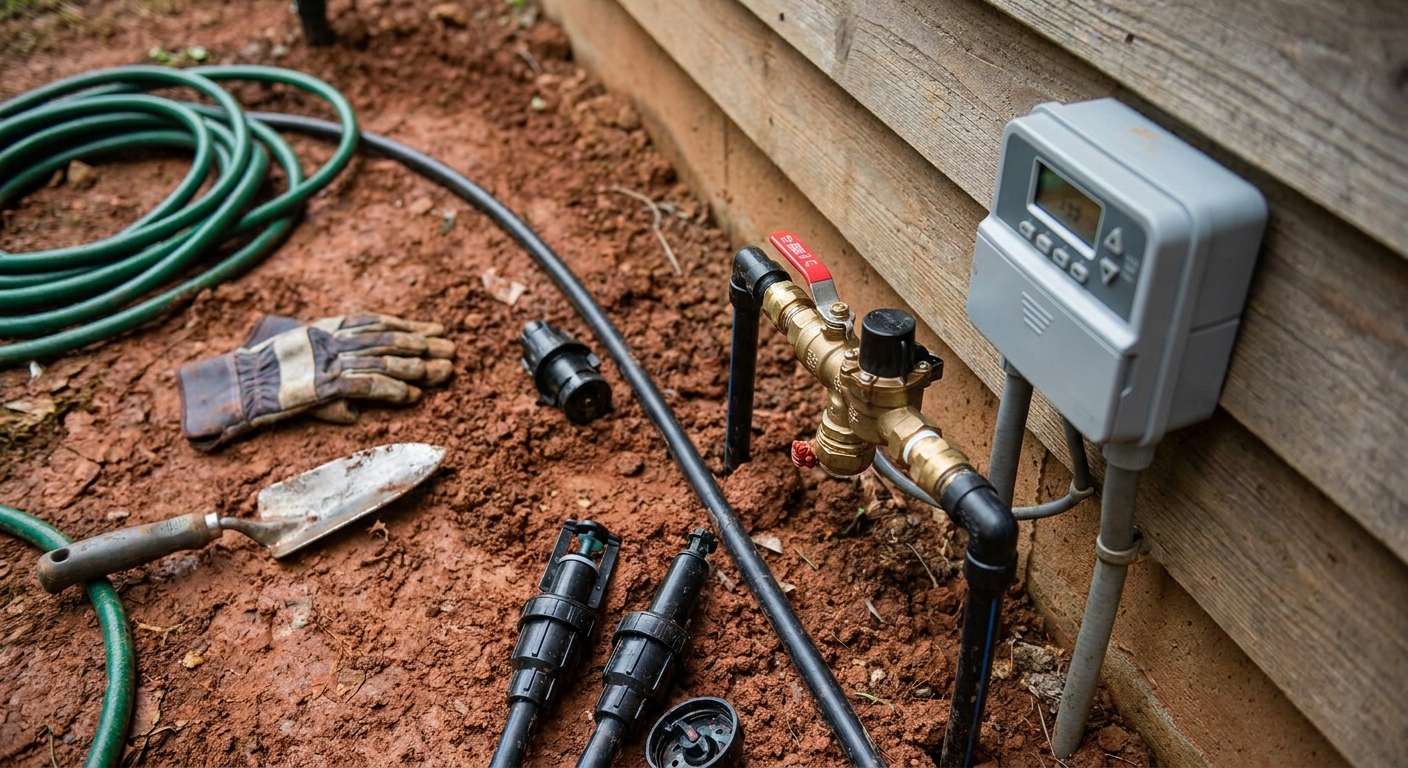
A well-designed irrigation system saves time, water, and money while keeping your lawn healthier year-round. Fort Wayne's clay-heavy soil and variable rainfall patterns make consistent watering challenging—automation solves that problem. You'll water smarter, not harder, and avoid the guesswork of manual watering schedules.
Key Advantages
- Time savings: Automated watering means no more dragging hoses around your property
- Water efficiency: Smart irrigation delivers precisely the right amount—reducing waste compared to hand watering
- Lawn health: Consistent moisture promotes deeper root systems and more vibrant grass
- Property value: Professional landscaping systems attract buyers and increase curb appeal
- Convenience: Set schedules based on season and weather, then let the system run
- Customization: Different zones can have different watering schedules for gardens, shrubs, and turf
An irrigation system isn't a luxury—it's a practical investment that pays for itself through water savings and a healthier, more attractive lawn across all four Northeast Indiana seasons.
How Much Does an Irrigation System Cost in Fort Wayne?
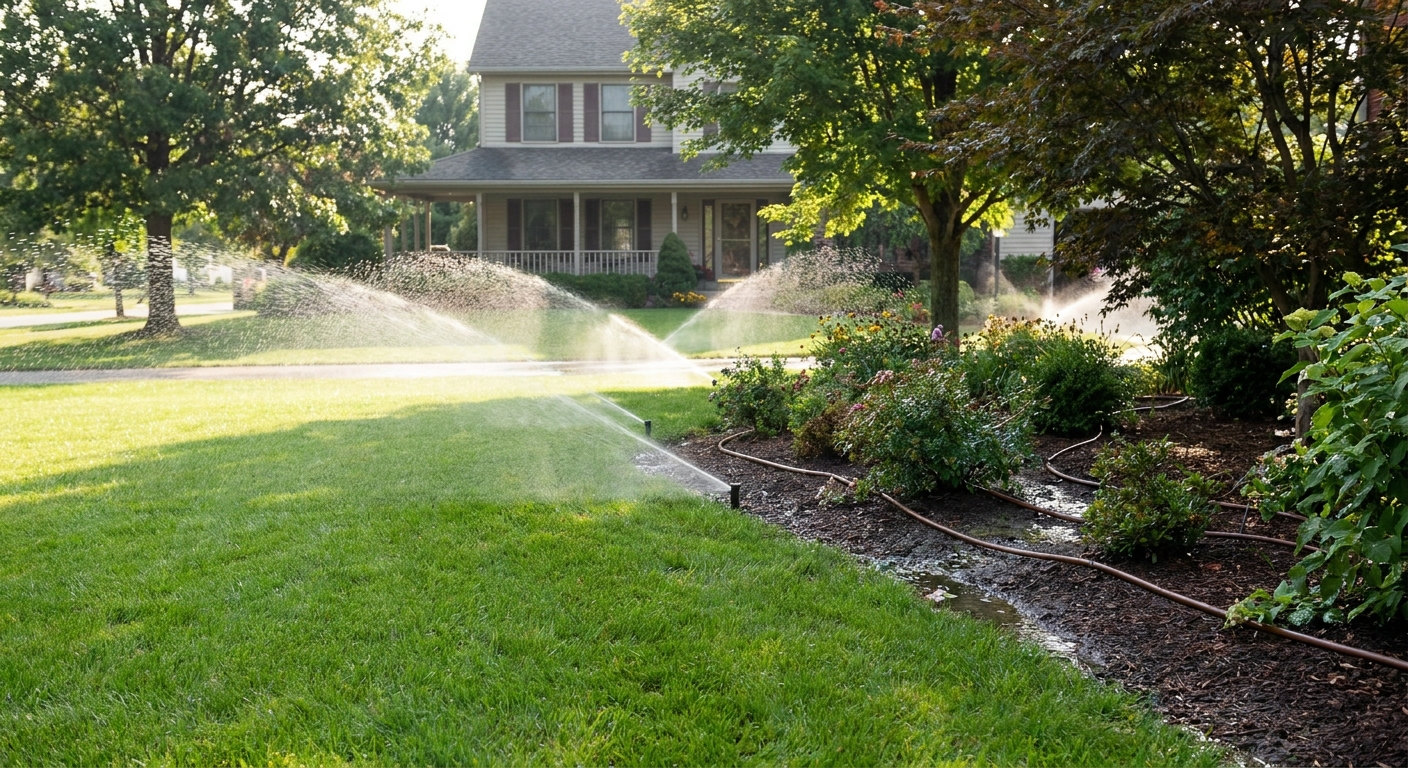
Irrigation installation costs vary based on your property size, lawn complexity, and whether you want a simple sprinkler setup or a smart system with rain sensors. Fort Wayne properties typically see residential systems ranging from $2,000 to $8,000+, depending on scope and materials used.
What Affects Your Investment
- Lawn size and shape—larger properties need more zones and lines
- Soil conditions—Northeast Indiana clay may require specific installation techniques
- Existing landscape features—trees, gardens, patios complicate layout design
- Smart features—WiFi controllers, rain/freeze sensors, and app access add cost but increase savings
- Water source—drawing from your well versus municipal water affects system design
Many Fort Wayne homeowners recoup their investment in 3–5 years through reduced water bills and lower landscaping maintenance. We provide free quotes to help you understand the true cost for your specific property.
Is Your Fort Wayne Lawn a Good Candidate for Irrigation?
Not every property needs a full sprinkler system, but most benefit from one. Consider your lawn's size, your climate zone, and how much time you want to spend watering. In Fort Wayne's USDA Zone 5b climate, consistent summer watering is crucial during dry spells—irrigation removes that burden entirely.
Your Lawn is a Good Fit If:
- Your property is larger than 5,000 square feet
- You have multiple landscape zones (lawn, gardens, shrubs, trees)
- You're gone frequently or value hands-off lawn care
- Your lawn has struggled with brown patches or drought stress
- You've invested heavily in landscaping and want to protect it
- You're planning to sell your home soon and want to improve curb appeal
Manual Watering Might Be Enough If:
- Your lawn is very small (under 2,000 square feet)
- You enjoy gardening and don't mind a daily watering routine
- You have low water bills and aren't concerned about usage
- Your property has deep tree shade or naturally retains moisture
The truth: Most Fort Wayne homeowners who install irrigation never look back. The convenience and consistent results make it worth the upfront cost.
What Types of Irrigation Systems Work Best in Northeast Indiana?
Different systems suit different properties and budgets. In Northeast Indiana, underground sprinkler systems are most popular for residential lawns, while drip irrigation works well for gardens and plant beds. Your yard's layout, soil type, and watering needs determine which approach makes sense.
Sprinkler Systems (Underground Pop-Up)
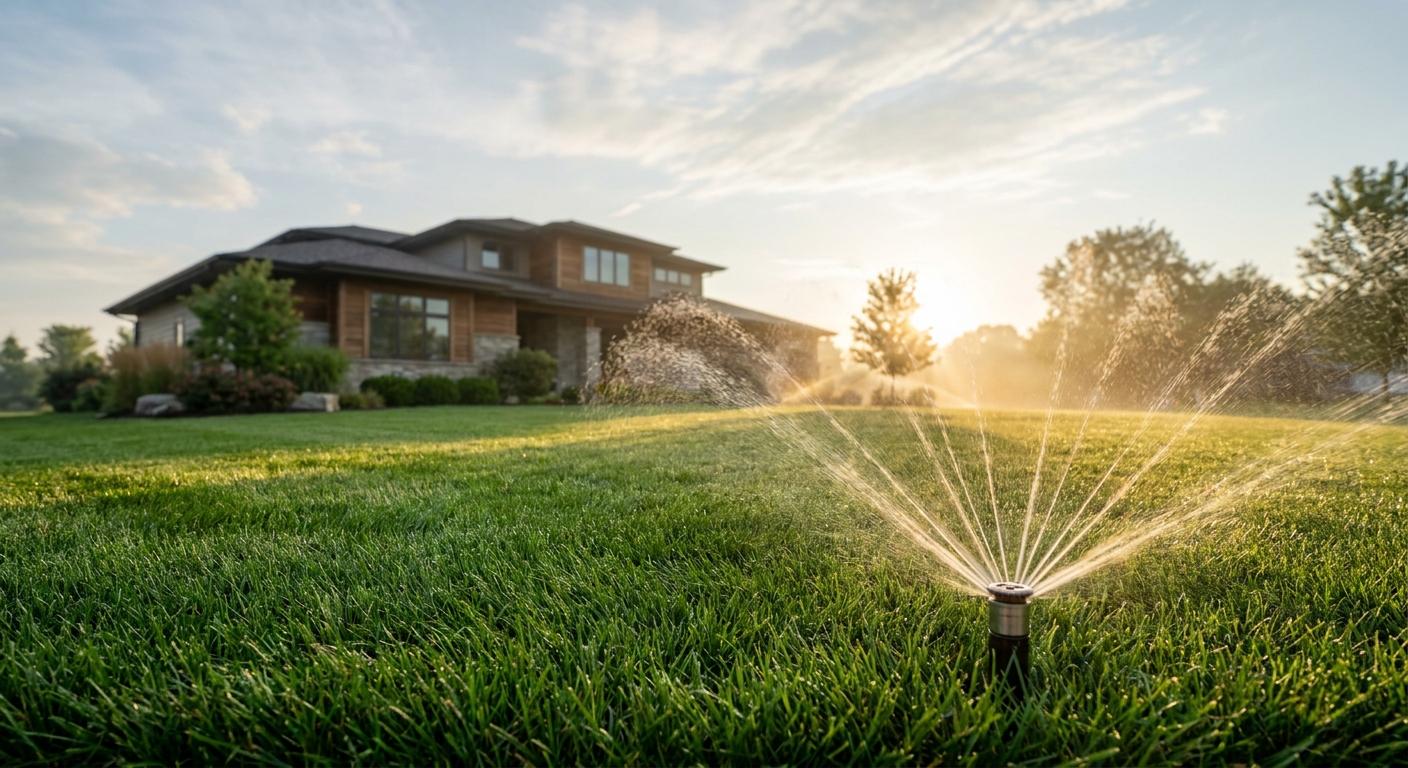
Heads retract underground when not in use, protecting them from mowers and winter conditions. These are ideal for Fort Wayne lawns and gardens, delivering broad coverage over large areas. Installation involves trenching, so timing and soil conditions matter—spring and fall are best in Northeast Indiana.
Drip Irrigation
Delivers water directly to plant roots through small tubes or emitters, minimizing waste. Perfect for gardens, shrub beds, and vegetable patches around your property. Often paired with sprinklers for complete coverage.
Smart/WiFi-Controlled Systems
Modern controllers adjust watering based on real-time weather data, soil moisture sensors, and rainfall—common sense automation for Fort Wayne's unpredictable springs and summers. Many systems are accessible via smartphone app.
When Should You Install an Irrigation System in Fort Wayne?
Timing matters. Spring and fall are ideal for irrigation installation in Northeast Indiana—soil is workable, and you'll be ready for summer heat or have time to prepare for spring growth. Avoid winter in Fort Wayne, when frozen ground makes trenching impossible.
Best Installation Windows
- Spring (April–May): Frost is gone, soil thaws, and you're set for summer watering needs
- Early fall (August–September): Still warm enough for installation, and turf establishes before winter dormancy
Installing now means you'll have a fully functional system before Fort Wayne's hot, dry summers arrive. If you're planning a landscaping overhaul, irrigation fits perfectly into that timeline.
How Do You Maintain an Irrigation System?
Proper maintenance extends your system's life and keeps it running efficiently. In Northeast Indiana's climate, winterization is critical—draining lines prevents freeze damage that's common in Zone 5b. Spring activation and regular seasonal checkups catch problems early.
Annual Maintenance Tasks
- Spring activation: Pressure-test lines, check valve function, inspect heads for damage
- Summer monitoring: Watch for leaks, adjust sprinkler patterns, fine-tune watering schedules
- Fall winterization: Blow out lines and drain systems before Fort Wayne freezes arrive
- Head cleaning: Clear debris, replace clogged emitters, adjust spray angles
Many Fort Wayne homeowners pair their landscaping services with professional irrigation maintenance—it's simpler than managing it yourself.
Should You Install Irrigation Now or Wait?
If you're already spending time hand-watering or seeing drought stress on your lawn and gardens, irrigation pays for itself quickly. If you love the landscape you've invested in, protecting it with consistent, smart watering is logical. Delaying only extends your current watering frustrations.
The best time to install an irrigation system is before your next hot, dry summer. Northeast Indiana's clay soil and unpredictable rainfall make automatic watering not just convenient—it's practical.
Ready to explore whether an irrigation system makes sense for your Fort Wayne property? Request a free quote from Minnick Lawn & Landscaping. Our team will assess your property, discuss your goals, and show you exactly what a custom system would cost. Let's build the landscape solution that works for you.