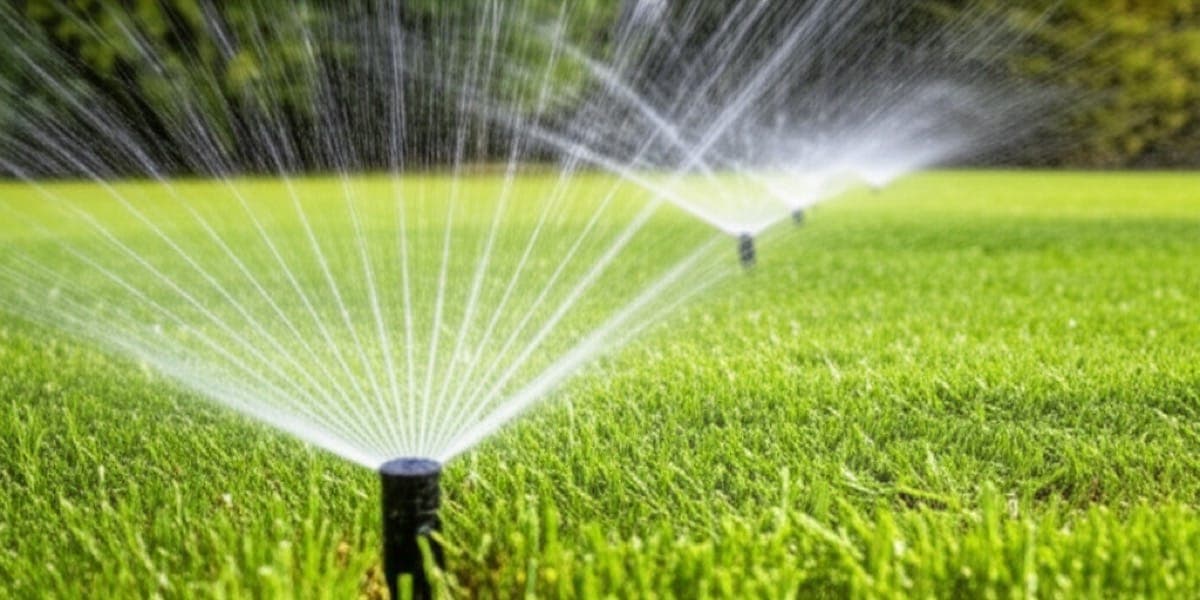
Efficient irrigation keeps your landscape healthy while conserving water and reducing your utility bills. Understanding the differences between sprinkler systems and drip irrigation—and knowing when to use each—helps you make smart choices for your Fort Wayne property. The right system delivers water where plants need it, when they need it, without waste.
This guide covers the basics of both irrigation types, helping you understand components, applications, maintenance needs, and costs so you can make an informed decision for your landscape.

What Are the Main Types of Irrigation Systems?
The two main irrigation types are sprinkler systems (including in-ground and above-ground options) that spray water over large areas, and drip/micro-irrigation systems that deliver water slowly and directly to plant root zones. Most residential landscapes benefit from combining both: sprinklers for lawns and drip for beds and gardens.
System Comparison Overview
| Factor | Sprinklers | Drip Irrigation |
|---|---|---|
| Best for | Lawns, large turf areas | Beds, gardens, containers |
| Efficiency | 50-70% | 90%+ |
| Installation | Professional typically | DIY-friendly |
| Cost | Higher upfront | Lower upfront |
| Maintenance | Moderate | Low |
| Water distribution | Wide coverage | Targeted delivery |
| Visibility | Heads visible | Hidden under mulch |
When to Use Each Type
Sprinklers work best for:
- Lawn areas
- Ground cover expanses
- Large open beds
- Areas needing even coverage
Drip works best for:
- Flower beds and borders
- Vegetable gardens
- Shrub plantings
- Trees and container plants
- Narrow or irregular beds
How Do Sprinkler Systems Work?
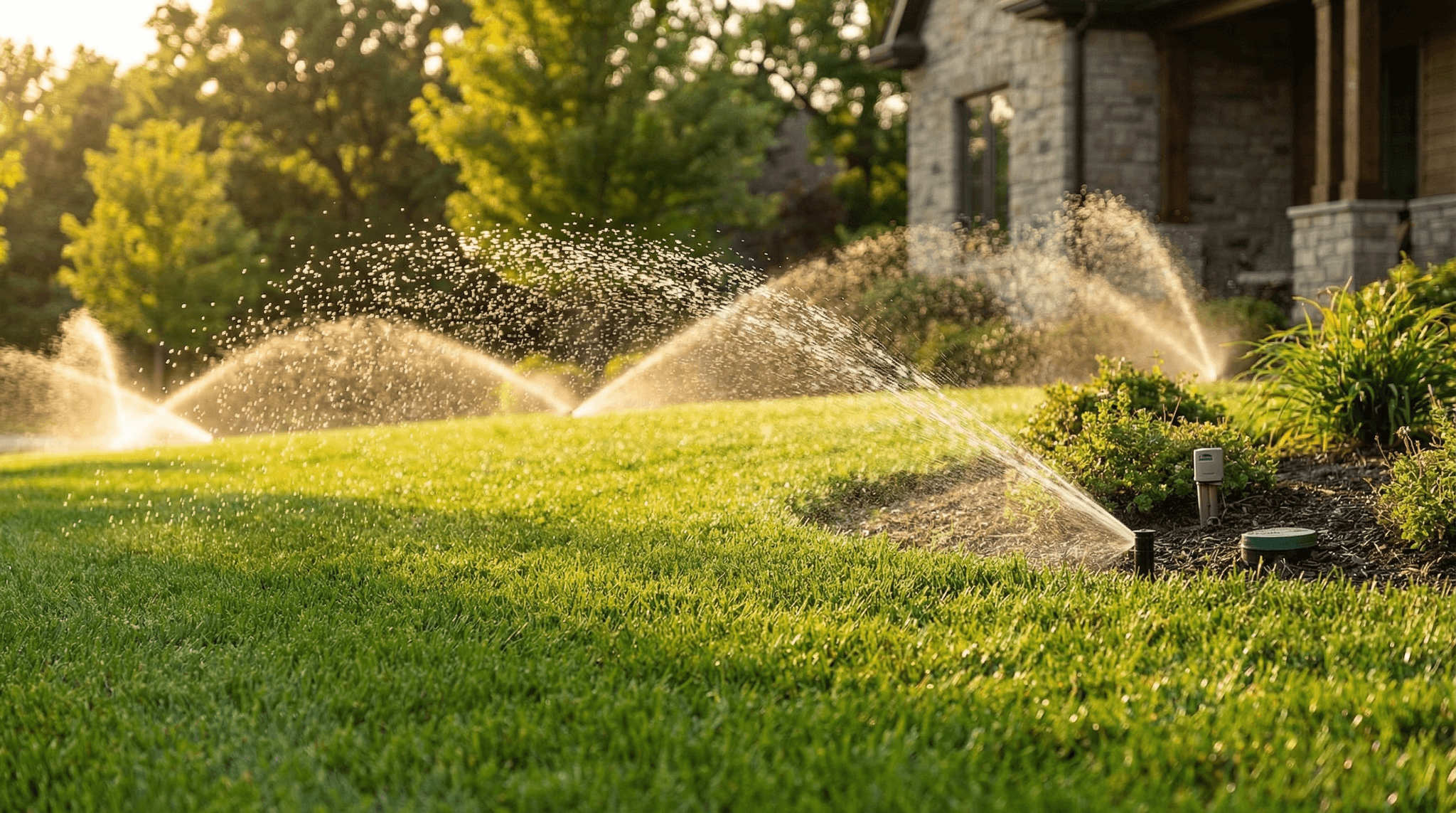
Sprinkler systems distribute pressurized water through underground pipes to spray heads that pop up during operation, applying water over the coverage area in overlapping patterns. Controllers automate timing, while zone valves divide the system into sections that run sequentially to maintain adequate water pressure.
Sprinkler System Components
| Component | Function |
|---|---|
| Controller/timer | Automates schedule |
| Backflow preventer | Protects water supply |
| Zone valves | Control individual areas |
| Mainline pipe | Carries water to zones |
| Lateral pipes | Connect to heads |
| Spray heads | Distribute water |
| Rain sensor | Prevents unnecessary watering |
Types of Sprinkler Heads
| Head Type | Coverage | Application |
|---|---|---|
| Fixed spray | 4-15 ft radius | Small lawns, borders |
| Rotary/rotor | 20-50 ft radius | Large lawns |
| Pop-up | Retracts when off | All lawn applications |
| Impact | 25-45 ft radius | Large areas (older style) |
| MP Rotator | 8-35 ft radius | Efficiency upgrade |
Zone Design Principles
Good zone design:
- Separate zones by plant water needs
- Don’t mix sprinkler types on same zone
- Account for sun/shade differences
- Size zones for adequate pressure
- Include separate valve for drip

How Does Drip Irrigation Work?
Drip irrigation delivers water slowly through emitters or drip tubing directly to plant root zones, typically applying 0.5-2 gallons per hour per emitter. This low-flow approach minimizes evaporation and runoff while maintaining consistent soil moisture where plants actually need it.
Drip System Components
| Component | Function |
|---|---|
| Pressure regulator | Reduces to 25-30 PSI |
| Filter | Prevents clogging |
| Mainline tubing | 1/2" or larger |
| Distribution tubing | 1/4" to emitters |
| Emitters/drippers | Release water slowly |
| Drip tape/soaker | Continuous drip |
| End caps | Seal tube ends |
| Stakes/clips | Secure tubing |
Emitter Types
| Type | Flow Rate | Best Use |
|---|---|---|
| Point-source emitters | 0.5-4 GPH | Individual plants |
| Inline drip tubing | 0.5-1 GPH per foot | Rows, beds |
| Soaker hose | Variable | Borders, vegetables |
| Micro-spray | 5-30 GPH | Ground cover, containers |
Drip Design Guidelines
Emitter placement:
- At drip line of plant, not trunk
- Multiple emitters for large shrubs/trees
- Spacing matches plant spacing
Typical spacing:
- Vegetables: 12-18" between emitters
- Shrubs: 1-3 emitters per plant
- Trees: Ring of emitters at drip line
What Are the Advantages of Each System?
Sprinkler systems excel at uniform coverage over large lawn areas and are easier to design for consistent application. Drip irrigation excels at efficiency, targeted delivery to plants, and reduction of disease by keeping foliage dry. Understanding these advantages helps you choose the right approach for each landscape area.
Sprinkler Advantages
| Advantage | Benefit |
|---|---|
| Uniform coverage | Even water distribution |
| Lawn appropriate | Designed for turf |
| Easier design | Standard patterns |
| Visible operation | Easy to spot problems |
| Handles heat | Cools plants in extreme heat |
Drip Advantages
| Advantage | Benefit |
|---|---|
| Water efficiency | 90%+ delivery to roots |
| Reduced disease | Keeps foliage dry |
| Fewer weeds | Only waters plants, not between |
| Low pressure | Works with gravity/low pressure |
| Flexibility | Easy to modify |
| Gentle delivery | Won’t damage plants |
Efficiency Comparison
| System | Typical Efficiency | Water Lost To |
|---|---|---|
| Traditional spray | 50-65% | Evaporation, wind, runoff |
| High-efficiency spray | 65-75% | Some evaporation |
| Drip irrigation | 90-95% | Minimal loss |

What Does an Irrigation System Cost?
A complete residential sprinkler system for an average Fort Wayne property (10,000 sq ft lawn) costs $3,000-$6,000 professionally installed. DIY drip systems for beds cost $100-$500 depending on size. Ongoing costs include water usage, seasonal maintenance, and repairs.
Installation Cost Ranges
| System Type | DIY Cost | Professional Cost |
|---|---|---|
| Small drip system | $50-150 | $200-500 |
| Large drip system | $200-500 | $500-1,500 |
| Sprinkler (small lawn) | Not recommended | $2,000-3,500 |
| Sprinkler (avg lawn) | Not recommended | $3,000-6,000 |
| Sprinkler (large lawn) | Not recommended | $5,000-10,000+ |
Ongoing Costs
Annual maintenance:
- Spring startup: $75-150
- Winterization: $75-125
- Mid-season checkup: $50-100
Repairs (typical):
- Head replacement: $20-50 per head
- Valve replacement: $75-150
- Controller replacement: $150-400
Water costs:
- Varies by usage and rates
- Efficient system uses 30-50% less
How Do You Maintain an Irrigation System?
Irrigation maintenance includes spring activation, monthly inspections during the season, head adjustments, filter cleaning, and fall winterization to prevent freeze damage. Proper maintenance prevents costly repairs and ensures efficient water delivery throughout the growing season.
Seasonal Maintenance Schedule
| Season | Tasks |
|---|---|
| Spring | System startup, test all zones, adjust heads |
| Monthly | Visual inspection, run all zones, check coverage |
| Mid-summer | Clean filters, check for dry spots |
| Fall | Final run, winterization (blowout) |
| As needed | Repair leaks, replace damaged components |
Common Problems and Solutions
| Problem | Cause | Solution |
|---|---|---|
| Dry spots | Clogged head, pressure issue | Clean or replace head |
| Wet spots | Leak, head stuck on | Repair leak, replace head |
| Low pressure | Leak, too many heads | Find leak, redesign zone |
| Uneven coverage | Wrong head type/spacing | Adjust or redesign |
| Controller issues | Programming, power | Reprogram, check connections |
Winterization (Critical in Fort Wayne)
Must be done before freeze:
- Shut off water supply
- Drain/blow out all lines
- Open drain valves
- Protect backflow preventer
- Turn off controller
Freeze damage consequences:
- Cracked pipes: $200-1,000+ repair
- Damaged backflow: $200-400+ replacement
- Multiple repairs: $500-2,000+

Should You Install DIY or Hire a Professional?
Drip irrigation is DIY-friendly for most homeowners; in-ground sprinkler systems should be professionally installed due to design complexity, trenching requirements, and the need for proper pressure calculations and backflow prevention. A poorly installed sprinkler system wastes water and creates ongoing problems.
DIY vs Professional Comparison
| System | DIY Feasible? | Why? |
|---|---|---|
| Drip irrigation | Yes | Low pressure, surface install |
| Hose-end sprinklers | Yes | No permanent install |
| Above-ground sprinklers | Maybe | Simple designs only |
| In-ground sprinklers | No (generally) | Complex, requires expertise |
When to Hire a Professional
Professional installation recommended when:
- Installing in-ground sprinklers
- Large or complex properties
- Integrating with existing systems
- You want warranty coverage
- Backflow preventer needed
DIY Drip Success Tips
For successful DIY drip:
- Start with a kit for simplicity
- Use quality components
- Include pressure regulator and filter
- Plan layout before buying
- Test before burying under mulch
- Keep it simple initially
Can You Combine Sprinklers and Drip?
Yes, combining sprinklers for lawns and drip for beds is the most efficient approach for most Fort Wayne landscapes. The systems share a water source and controller but operate on separate zones with different run times based on plant water needs.
Combined System Design
Typical zone structure:
- Zone 1-3: Lawn sprinklers (rotors)
- Zone 4-5: Lawn sprinklers (spray heads)
- Zone 6: Drip - foundation beds
- Zone 7: Drip - vegetable garden
- Zone 8: Drip - perennial borders
Run time differences:
- Sprinkler zones: 15-30 minutes
- Drip zones: 30-60 minutes
- More frequent, shorter for lawns
- Less frequent, longer for drip
Integration Tips
- Separate valve for drip (pressure difference)
- Include pressure regulator for drip zone
- Filter to prevent emitter clogging
- Program different schedules per zone
Our landscaping services include irrigation system design, installation, and maintenance.
Water Your Landscape Wisely
The right irrigation system saves water, time, and money while keeping your landscape healthy. Whether you need a comprehensive sprinkler system for your lawn or a simple drip setup for your beds, understanding these basics helps you make informed decisions.
Request a Free Quote or call us at (260) 450-4676 to discuss irrigation options for your property.
Frequently Asked Questions
How long should I run my sprinkler system?
Run times depend on soil type, sprinkler output, and weather. General guideline: apply 1 inch per week total. Start with 20-30 minutes per zone, adjust based on results. Early morning is best.
Why is drip irrigation more efficient than sprinklers?
Drip delivers water directly to root zones with minimal evaporation, runoff, or overspray. Up to 95% of water reaches plants compared to 50-70% for sprinklers.
How often should drip irrigation run?
Typically 30-60 minutes, 2-3 times per week depending on plant needs, weather, and soil. Adjust based on soil moisture—drip should maintain consistent moisture without saturation.
Do I need a permit for irrigation installation?
Fort Wayne typically requires permits for work involving backflow prevention devices and connection to the water supply. Your installer handles this; DIY may need to check with city.
Can I convert sprinklers to drip in beds?
Yes, and it’s a great efficiency upgrade. Cap the sprinkler head, install a conversion kit or add a drip zone, and enjoy targeted watering with less waste.
Sources
- Irrigation Association - Residential Best Practices
- Purdue Extension - Irrigation Guidelines
- EPA WaterSense - Outdoor Water Efficiency
Adam Minnick is the owner of Minnick Lawn & Landscaping, serving Fort Wayne, Auburn, and Northeast Indiana since 2018.