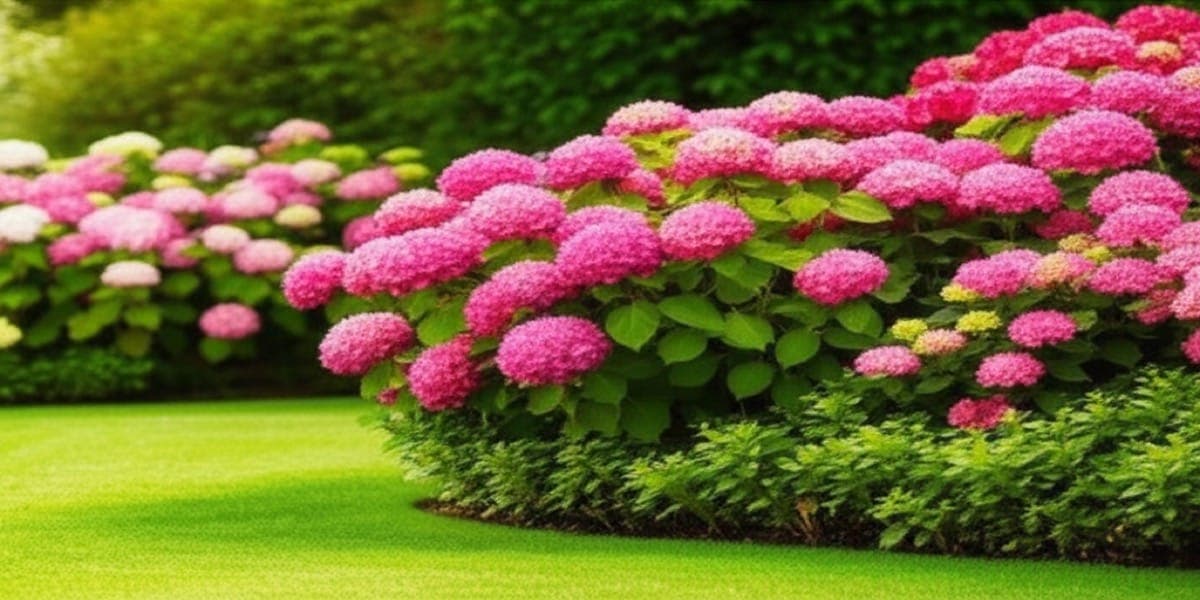
Colorful shrubs in Fort Wayne landscape showing fall colors

A thoughtfully designed landscape provides visual interest throughout the year, not just during the brief window when everything blooms at once. In Northeast Indiana’s climate, where we experience distinct seasons, choosing shrubs that offer multi-season appeal transforms your property from a one-season wonder into a dynamic landscape that looks great twelve months a year.

In this guide, I’ll introduce you to the best shrubs for each season in Fort Wayne, help you plan combinations that ensure continuous color, and share design strategies for maximizing year-round interest in your landscape.

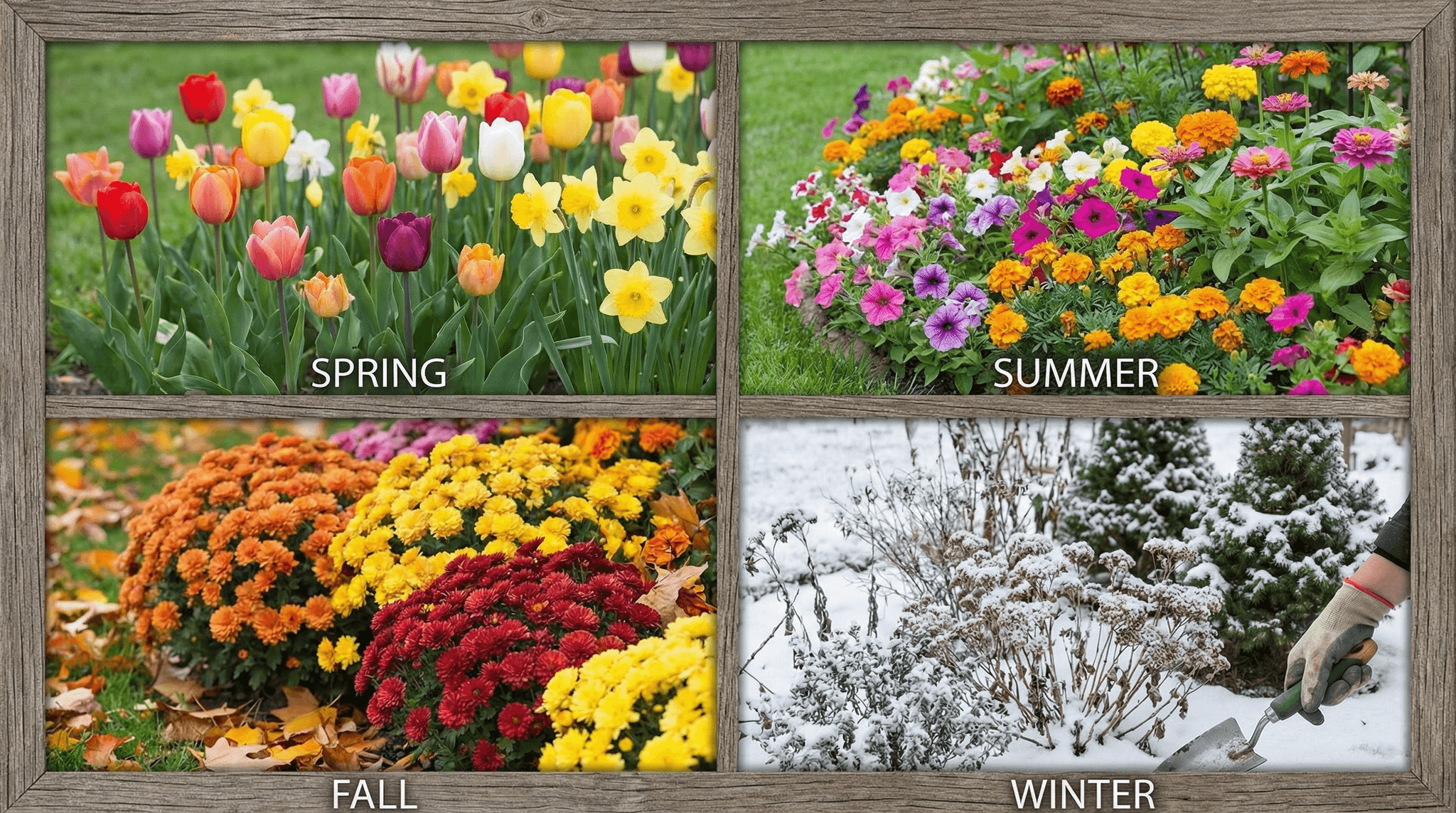
Shrub border showing multiple seasons of color

What Shrubs Provide the Best Spring Color?

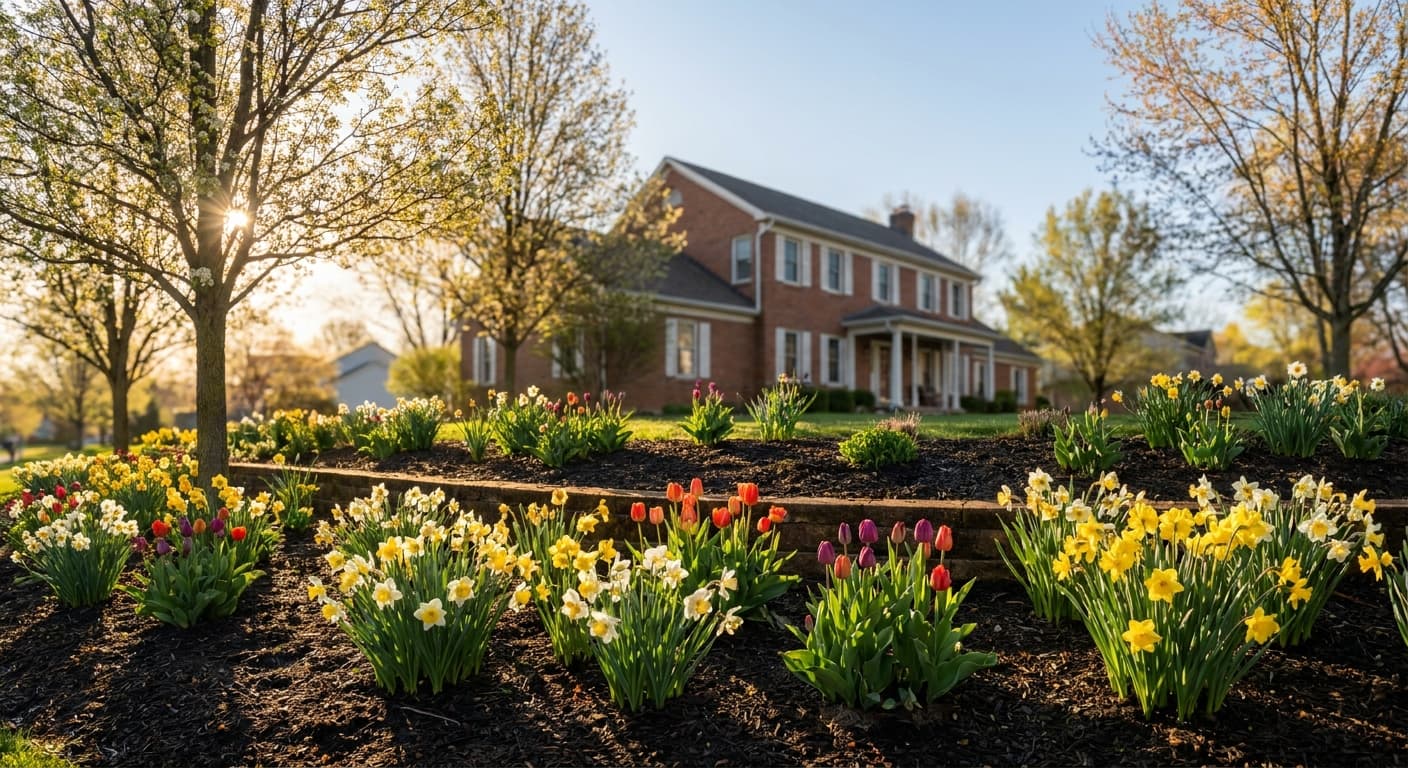
The best spring-blooming shrubs for Fort Wayne include forsythia, lilac, viburnum, spirea, and rhododendron, offering flowers from early March through June in colors ranging from yellow to purple, pink, and white. Spring shrubs mark the transition from winter and create focal points when the rest of the landscape is just waking up.

Early Spring Bloomers (March-April)

ShrubHeightColorNotes
Forsythia6-10 ftYellowFirst to bloom, dramatic
Cornelian Cherry Dogwood15-20 ftYellowSmall flowers, edible fruit
Witch Hazel10-15 ftYellow/orangeFragrant, unique
Japanese Pieris4-8 ftWhite/pinkEvergreen, deer resistant

Mid-Spring Bloomers (April-May)

ShrubHeightColorNotes
Lilac8-15 ftPurple/white/pinkFragrant classic
Viburnum species4-12 ftWhiteFlowers, berries, fall color
Flowering Quince6-10 ftRed/pink/whiteThorny, early
Fothergilla3-6 ftWhiteFragrant, great fall color

Late Spring Bloomers (May-June)

ShrubHeightColorNotes
Weigela3-6 ftPink/red/whiteReblooming varieties
Mock Orange6-10 ftWhiteIntensely fragrant
Spiraea (bridal wreath)4-8 ftWhiteArching, graceful
Beauty Bush6-10 ftPinkCascading flowers

Spring Planning Tips

  • Plant early and late bloomers for extended season
  • Group fragrant shrubs near patios and windows
  • Consider backdrop (dark evergreens highlight spring flowers)
  • Underplant with spring bulbs for layers

Lilac and viburnum in spring bloom

What Shrubs Offer the Best Summer Color?

Summer color in shrubs comes from both flowers and foliage. The best summer performers for Fort Wayne include butterfly bush, hydrangea, rose of Sharon, potentilla, and colored-foliage shrubs like purple ninebark and golden spirea that maintain their color throughout the growing season.

Summer-Flowering Shrubs

ShrubHeightColorBloom Time
Hydrangea (panicle)4-8 ftWhite to pinkJune-September
Hydrangea (smooth)3-5 ftWhiteJune-August
Butterfly Bush4-8 ftPurple/pink/whiteJune-frost
Rose of Sharon8-12 ftBlue/purple/pink/whiteJuly-September
Potentilla2-4 ftYellow/white/pinkJune-frost
St. John’s Wort2-4 ftYellowJune-August

Colored Foliage Shrubs

ShrubFoliage ColorNotes
Purple NinebarkDeep purpleNative, deer resistant
Golden SpireaChartreuse/goldLow-growing
Smoke BushPurple or greenLarge, dramatic
Gold PrivetYellowVariegated available
Purple BarberryRed-purpleThorny, compact forms

Summer Design Strategies

For continuous bloom:

  • Combine early, mid, and late summer bloomers
  • Include reblooming varieties (weigela, hydrangea)
  • Deadhead to encourage more flowers

For foliage interest:

  • Mix colored and green foliage
  • Use gold foliage to brighten shade
  • Purple foliage creates drama

What Shrubs Have the Best Fall Color?

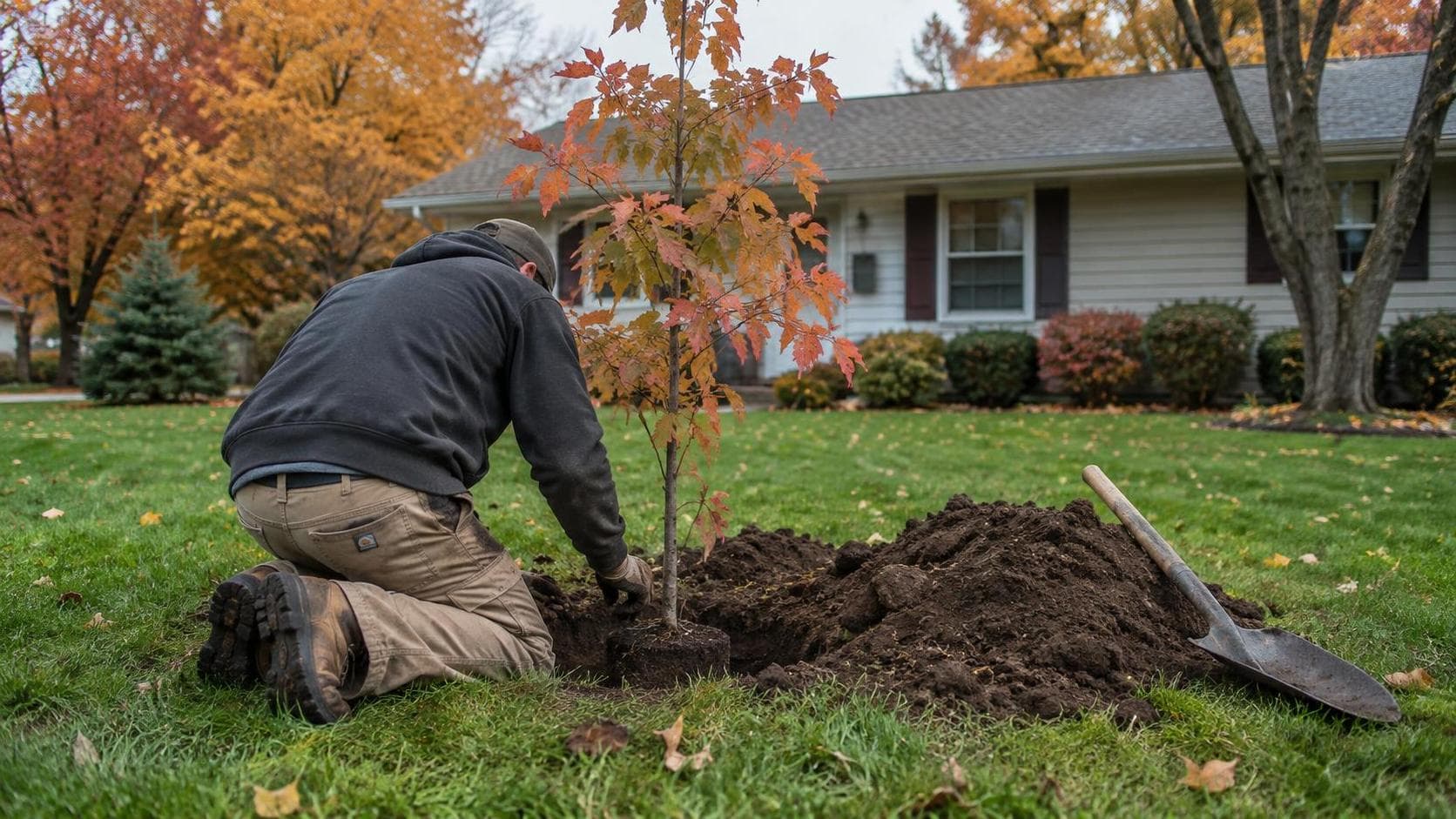
Northeast Indiana’s fall color rivals any region, and the best shrubs for autumn display include burning bush, viburnum, fothergilla, oakleaf hydrangea, and Virginia sweetspire, plus berry-producing shrubs like winterberry holly, chokeberry, and beautyberry that add color as foliage drops.

Shrubs for Fall Foliage

ShrubFall ColorIntensity
Burning BushBrilliant redIntense (but invasive in some areas)
FothergillaOrange-red-yellowOutstanding
Oakleaf HydrangeaRed-purpleLong-lasting
Virginia SweetspireRed-purpleReliable
Arrowwood ViburnumRed-purpleNative
ChokeberryRed-orangePlus berries
Itea (Virginia sweetspire)Red-purpleGood fall

Shrubs with Ornamental Berries

ShrubBerry ColorTimingNotes
Winterberry HollyRedFall-winterNeeds male pollinator
ChokeberryRed or blackFallWildlife food
BeautyberryPurpleFallStunning
Viburnum speciesBlue/black/redFallBirds love
CotoneasterRedFall-winterPersistent
PyracanthaOrange/redFall-winterThorny

Fall Design Tips

  • Group multiple winterberry for better berry production
  • Combine fall foliage colors (red + orange + yellow)
  • Plant berry shrubs where visible from windows
  • Let perennial seed heads complement shrub interest

Shrubs showing brilliant fall foliage colors

What Shrubs Provide Winter Interest?

Winter interest comes from evergreen foliage, colorful bark, persistent berries, and structural form. The best shrubs for Fort Wayne winters include boxwood, hollies, red and yellow twig dogwood, winterberry holly, and conifers that provide color and texture when deciduous plants are bare.

Evergreen Shrubs

ShrubHeightFeatures
Boxwood2-4 ftClassic, dense
Holly (Blue Princess, etc.)6-10 ftBerries, glossy
Juniper1-6 ftMany forms
Yew4-20 ftShade tolerant
Arborvitae3-15 ftScreening
Rhododendron4-8 ftEvergreen, flowers

Colored Bark Shrubs

ShrubBark ColorNotes
Red Twig DogwoodBright redBest in masses
Yellow Twig DogwoodYellowComplements red
Coral Bark MapleCoral-redSmall tree
KerriaGreen stemsGold flowers spring

Winter Berry Shrubs

ShrubBerry PersistenceNotes
Winterberry HollyDec-FebOutstanding
JuniperAll winterBlue, waxy
NandinaAll winterRed (moderately invasive)
CotoneasterMost of winterRed

Winter Design Strategies

  • Plant evergreens as backdrop for deciduous color
  • Use colored stems near windows or walks
  • Mass red/yellow twig dogwoods for impact
  • Ensure berries are visible from indoor vantage points

How Do You Plan a Four-Season Shrub Border?

Planning a four-season shrub border requires selecting plants that peak at different times, balancing evergreen structure with deciduous interest, and layering heights for visual depth. The goal is ensuring something looks great every month while maintaining a cohesive design that doesn’t feel like a plant collection.

Four-Season Planning Framework

Foundation (30-40% of plants):

  • Evergreens for year-round structure
  • Forms the backbone of the border
  • Examples: boxwood, holly, juniper

Seasonal Stars (40-50% of plants):

  • Plants chosen for peak season interest
  • Spread peaks across all four seasons
  • Examples: lilac (spring), hydrangea (summer), viburnum (fall), winterberry (winter)

Fillers/Groundcovers (10-20%):

  • Connect larger shrubs
  • Low maintenance
  • Examples: spreading juniper, perennial groundcovers

Sample Four-Season Border

For a 20-foot border in part sun:

PlantSeason of Peak InterestQuantity
Boxwood (evergreen)Year-round3
LilacSpring1
Panicle HydrangeaSummer-fall2
Arrowwood ViburnumSpring flowers, fall color2
Red Twig DogwoodWinter3

Bloom Sequence Calendar

MonthWhat’s Happening
Jan-FebEvergreen structure, red/yellow stems, persistent berries
MarchEarly forsythia, witch hazel
AprilLilac, viburnum, fothergilla
MayWeigela, mock orange, spirea
JuneHydrangeas begin, summer bloomers
July-AugHydrangea peak, butterfly bush
SeptFall foliage begins, berries forming
Oct-NovFall color peak, berries coloring
DecEvergreens, winterberry, colored bark

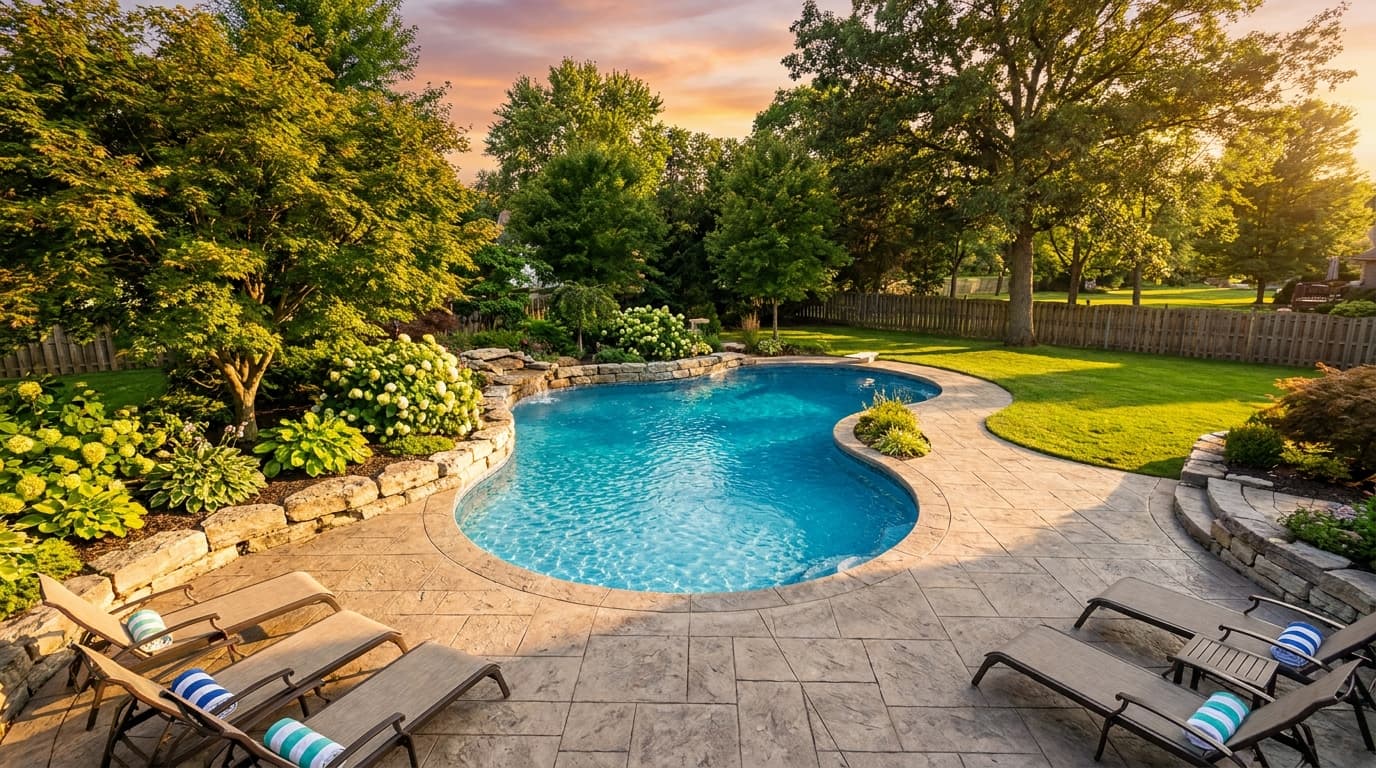
Four-season shrub border in summer bloom

What Size Shrubs Should You Choose?

Choosing the right shrub size prevents endless pruning and ensures plants look good at maturity. Match mature plant size to available space, allowing shrubs to grow to their natural form without constant trimming. A shrub that matures at 8 feet should have 8+ feet of clearance—don’t plant it expecting to keep it at 4 feet.

Size Selection Guide

For 3-foot spaces (under windows):

  • Dwarf boxwood
  • Little Lime hydrangea
  • Compact spirea
  • Low-growing junipers

For 4-6 foot spaces:

  • Standard boxwood
  • Compact viburnum
  • Most spirea varieties
  • Fothergilla

For 6-10 foot spaces:

  • Full-size hydrangeas
  • Lilac
  • Ninebark
  • Weigela

For 10+ foot spaces:

  • Large viburnums
  • Rose of Sharon
  • Large lilacs
  • Screening plants

Common Sizing Mistakes

MistakeProblemSolution
Too big for spaceConstant pruningChoose mature size for space
Under windowsBlocks light, requires shearingUse dwarf varieties only
Too close to walksOverhangs pathPlant 3-4 ft from edge
Under utilitiesGrowth into wiresPlant short shrubs only

Where Can You Buy Quality Shrubs in Fort Wayne?

Quality shrubs for Fort Wayne landscapes are available at local independent garden centers, specialty nurseries, and some well-stocked chain stores. Look for locally-grown plants acclimated to our climate, and avoid clearance plants that may be root-bound or stressed.

What to Look For

Healthy plant signs:

  • Rich foliage color
  • No wilting or stress
  • White, healthy roots (check if possible)
  • Balanced, full shape
  • Free of pests and disease

Avoid:

  • Root-bound (circling roots)
  • Wilted or yellowing
  • Sparse or one-sided
  • Clearance plants (unless you know the issue)

Buying Tips

  • Visit in spring for best selection
  • Order specialty plants ahead
  • Consider B&B (balled and burlapped) for large specimens
  • Native plant sales for natives

Our landscaping services include professional shrub selection and installation, ensuring you get the right plants for your site and design goals.

Newly installed shrub border with quality plants


Create Year-Round Color in Your Landscape

With thoughtful plant selection, your landscape can offer beauty in every season. Start by assessing what you have, identify gaps in seasonal interest, and add shrubs that fill those holes. The result is a landscape that looks great whether you’re enjoying it from inside on a January day or hosting a summer barbecue.

Need help selecting or installing shrubs for year-round color? We’re here to help.

Request a Free Quote or call us at (260) 450-4676 to discuss your landscape enhancement.


Frequently Asked Questions

How many seasons of interest should each shrub provide?

Ideally, each shrub provides at least two seasons of interest—for example, spring flowers AND fall color, or summer berries AND winter structure. This maximizes the value of each plant.

Can I have color in a shaded area?

Yes! Many shade-tolerant shrubs offer excellent color: rhododendron (flowers), fothergilla (fall color), oakleaf hydrangea (flowers AND fall color), and evergreens like yew and boxwood.

How do I get more flowers on my shrubs?

Most shrubs bloom more with adequate sun (6+ hours), proper pruning timing (after bloom for spring shrubs, late winter for summer shrubs), and appropriate fertilization (not too much nitrogen).

Should I choose native or ornamental shrubs?

Both have their place. Native shrubs support wildlife and adapt well to local conditions. Ornamental shrubs may offer specific colors or forms natives lack. Many landscapes successfully combine both.

How long until shrubs reach full size?

Most shrubs reach near-mature size in 3-5 years with proper care. Fast growers (forsythia, spiraea) fill in quickly; slow growers (boxwood, holly) take longer but live longer too.

What’s the best fertilizer for flowering shrubs?

A balanced fertilizer (10-10-10) in early spring works for most shrubs. Avoid high nitrogen which promotes leaves over flowers. Many established shrubs need no fertilizer.

How do I prune shrubs without losing flowers?

Spring bloomers (lilac, forsythia): Prune immediately after flowering Summer bloomers (hydrangea, butterfly bush): Prune in late winter Evergreens: Prune in late spring after new growth

Can I move existing shrubs to better locations?

Yes, but timing matters. Move deciduous shrubs in fall or early spring when dormant. Move evergreens in early fall. Prepare the new hole first, dig root ball as large as practical, and water well after moving.


Sources


Adam Minnick is the owner of Minnick Lawn & Landscaping, serving Fort Wayne, Auburn, and Northeast Indiana since 2018. Our landscaping team designs and installs beautiful landscapes throughout the region.