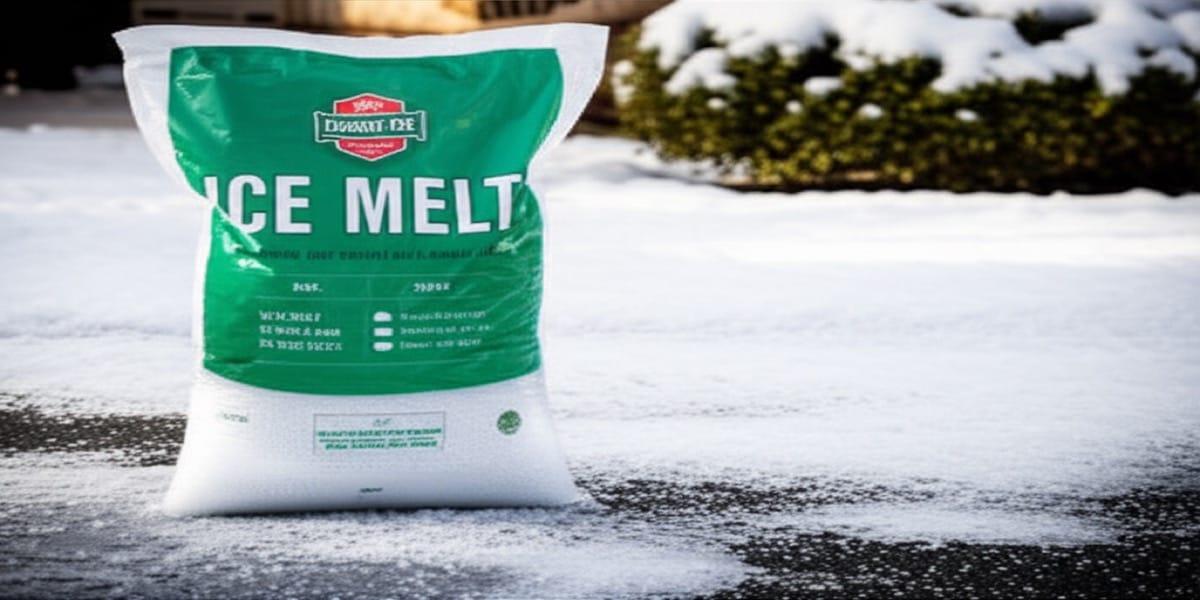
Ice melt being applied to walkway in Fort Wayne

Ice melt products vary dramatically in their effectiveness, cost, and impact on concrete, plants, and pets. Choosing the right product for Fort Wayne’s winters means balancing melting power with safety concerns. This guide compares common deicers and helps you select the best option for your situation.

Ice melt on winter walkway

What Are the Main Types of Ice Melt?

The primary ice melt chemicals are sodium chloride (rock salt), calcium chloride, magnesium chloride, potassium chloride, and urea. Each has different effective temperature ranges, costs, and impacts on concrete and vegetation.

Ice Melt Comparison

ProductEffective ToCostConcrete SafePlant Safe
Rock salt (NaCl)15°F$PoorPoor
Calcium chloride-25°F$$$ModeratePoor
Magnesium chloride0°F$$GoodModerate
Potassium chloride25°F$$GoodBest
Urea25°F$$GoodGood
CMA20°F$$$$ExcellentExcellent

What Is Rock Salt and When Should You Use It?

Rock salt (sodium chloride) is the cheapest and most common deicer, but it’s also the harshest on concrete, plants, and the environment. It stops working below 15°F—common in Fort Wayne winters—making it ineffective during the coldest periods.

Rock salt characteristics:

  • Most affordable option
  • Effective above 15°F
  • Damages concrete over time
  • Harms plants and lawns
  • Corrosive to metal
  • Bad for pets’ paws

When Rock Salt Works

  • Temperatures above 20°F
  • Large areas needing economical treatment
  • Away from sensitive plants
  • On older concrete you’re less concerned about

What Is Calcium Chloride?

Calcium chloride works in the coldest temperatures (to -25°F) and melts ice faster than other products. However, it can damage concrete over time and is harmful to plants. It’s best reserved for extreme cold conditions.

Calcium chloride characteristics:

  • Most effective at low temps
  • Works fastest
  • Generates heat when dissolving
  • Damages concrete with repeated use
  • Harmful to vegetation
  • More expensive

Best Uses for Calcium Chloride

  • Extreme cold (below 15°F)
  • Steps and high-traffic areas
  • When fast melting is critical
  • Away from plants

Different types of ice melt products

What Is Magnesium Chloride?

Magnesium chloride offers a good balance of effectiveness, concrete safety, and plant safety. It works to about 0°F and is less damaging than rock salt or calcium chloride. It’s a popular choice for residential use.

Magnesium chloride characteristics:

  • Works to 0°F
  • Less damaging to concrete
  • Moderately plant-safe
  • Less irritating to pets
  • Moderate cost
  • Good all-around choice

Why Choose Magnesium Chloride

  • Regular winter conditions
  • Near concrete you want to protect
  • Moderate plant exposure
  • Households with pets

What’s the Safest Option for Plants?

Potassium chloride and calcium magnesium acetate (CMA) are the safest options for plants. Potassium is actually a plant nutrient (though excess still causes problems), while CMA is essentially non-toxic to vegetation but very expensive.

Plant-Safe Hierarchy

ProductPlant SafetyNotes
CMAExcellentVery expensive
Potassium chlorideGoodLess effective in cold
UreaGoodCan burn in excess
Magnesium chlorideModerateSome damage possible
Calcium chloridePoorCauses damage
Rock saltPoorSignificant damage

Protecting Plants from Deicers

  • Use plant-safe products near beds
  • Apply minimum needed
  • Shovel first, deicer second
  • Create barriers where practical
  • Rinse areas in spring

What’s Safest for Concrete?

All chloride-based deicers can damage concrete over time through freeze-thaw cycles and chemical reactions. CMA and urea are gentlest; magnesium chloride is the safest among the chlorides.

Concrete Safety Ranking

ProductConcrete Impact
CMAMinimal/none
UreaMinimal
Potassium chlorideMinimal
Magnesium chlorideLow
Calcium chlorideModerate
Rock saltHigh

Protecting Your Concrete

  • Use gentler products
  • Apply minimum amounts
  • Clear snow first
  • Seal concrete periodically
  • Never use on new concrete (first year)

Ice melt damage to concrete edge

What About Pet Safety?

All ice melts can irritate pet paws and be harmful if ingested. Magnesium chloride and plant-based alternatives are generally gentlest. Wipe pet paws after walks and keep products stored safely.

Pet-Friendly Options

ProductPet Safety
Plant-based alternativesBest
Magnesium chlorideGood
Potassium chlorideModerate
CMAGood
Rock saltPoor
Calcium chloridePoor

Pet Safety Tips

  • Wipe paws after walks
  • Use pet-safe products
  • Store products securely
  • Rinse entry areas in spring
  • Watch for excessive salt ingestion

How Do You Apply Ice Melt Properly?

More isn’t better—excessive application wastes money, increases environmental damage, and doesn’t improve results. Apply thin coverage after shoveling, and give products time to work.

Application Best Practices

  1. Shovel first: Remove as much snow as possible
  2. Apply sparingly: Thin, even coverage
  3. Allow time: Products need time to work
  4. Pre-treat if able: Apply before storms when forecast allows
  5. Avoid over-application: Follow package directions

Application Rates

ProductRate (per 100 sq ft)
Rock salt1-2 cups
Calcium chloride1/2-1 cup
Magnesium chloride1-2 cups
Blend productsFollow package

What Do Blend Products Offer?

Many products blend multiple deicers to balance effectiveness, safety, and cost. These blends often combine fast-acting ingredients with gentler ones. Check labels to understand what you’re buying.

Common Blends

  • Calcium + magnesium chloride
  • Rock salt + calcium chloride
  • Chlorides + CMA
  • Various “pet safe” formulations

Our snow removal services use appropriate products throughout Fort Wayne.


Request a Free Quote or call us at (260) 450-4676 for snow and ice management.


Frequently Asked Questions

What’s the best all-around ice melt?

Magnesium chloride offers the best balance of effectiveness, concrete safety, and plant/pet safety for most residential uses.

Should I avoid all ice melt near plants?

Use plant-safe products (potassium chloride, CMA) near beds, apply minimally, and rinse areas in spring.

How do I know which product to buy?

Check labels for ingredients. Avoid products that don’t list what’s in them. Consider your priorities (cost, concrete safety, plant safety).


Adam Minnick is the owner of Minnick Lawn & Landscaping, serving Fort Wayne, Auburn, and Northeast Indiana since 2018.