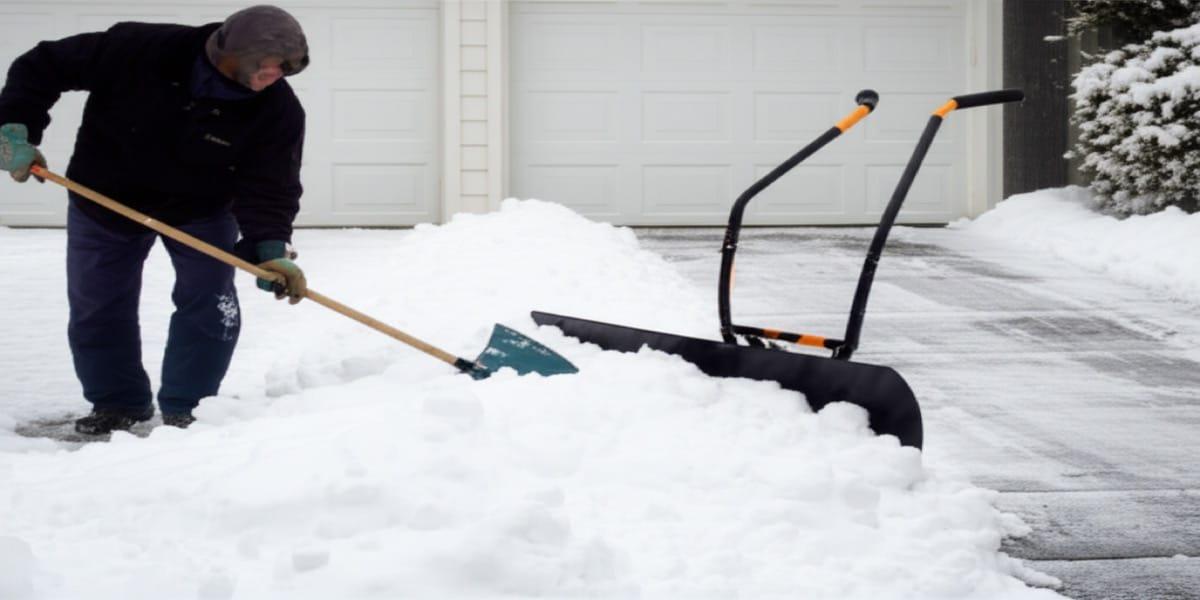
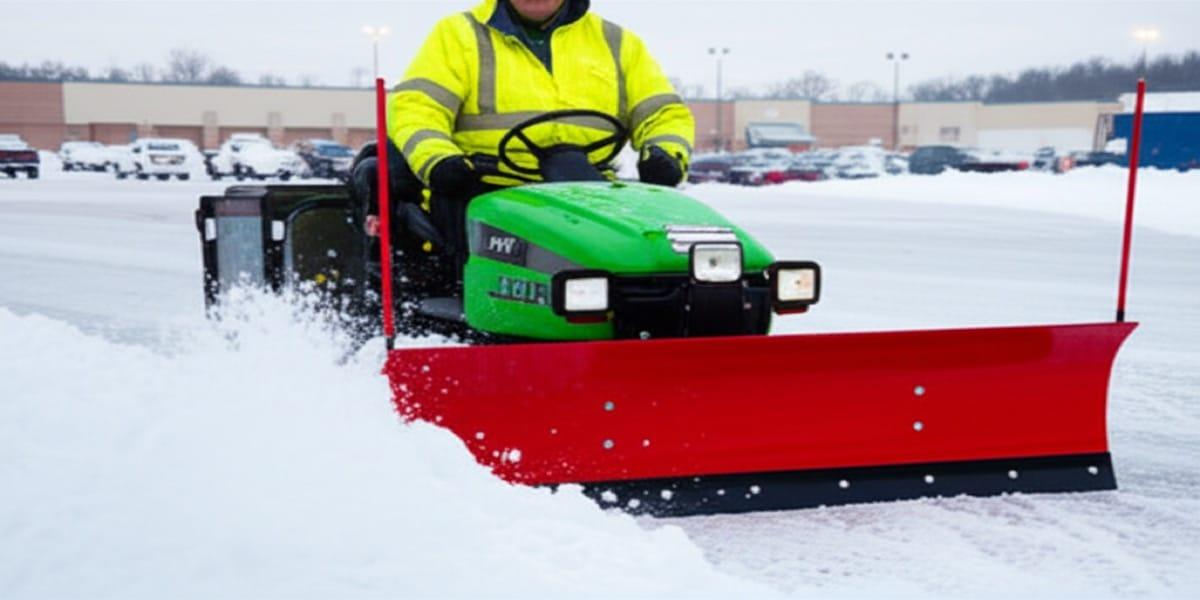
Commercial snow removal differs significantly from residential service. Property managers must consider liability exposure, contract terms, service level agreements, and the operational needs of tenants and customers. Getting commercial snow removal right protects your property, your tenants, and your organization from slip-and-fall liability.

Why Is Commercial Snow Removal Different?
Commercial properties have higher foot traffic, greater liability exposure, stricter access requirements, and more complex service needs than residential properties. A slip-and-fall at a commercial property can result in significant lawsuits; proper snow management is a risk management necessity.
Commercial vs Residential Snow Removal
| Factor | Residential | Commercial |
|---|---|---|
| Liability exposure | Lower | Much higher |
| Service timing | Flexible | Often 24/7 |
| Contract complexity | Simple | Detailed |
| Equipment needed | Basic | Heavy-duty |
| Documentation | Minimal | Critical |
| Ice management | Optional | Essential |
What Services Do Commercial Properties Need?
Commercial snow management goes beyond plowing driveways. Comprehensive service includes lot plowing, sidewalk clearing, ice management, salt application, snow hauling, and detailed documentation.
Typical Commercial Services
| Service | Purpose |
|---|---|
| Lot plowing | Clear parking areas |
| Sidewalk clearing | Pedestrian safety |
| Salting/de-icing | Ice management |
| Entrance clearing | Building access |
| Snow stacking | On-site storage |
| Snow hauling | When stacking space exhausted |
| Documentation | Liability protection |
Service Level Options
Basic:
- Plowing after accumulation threshold
- One salting application
- Business hours focus
Standard:
- Continuous monitoring
- Multiple plowing passes
- Pre-treatment when conditions warrant
- Regular salting
Premium/Zero Tolerance:
- Continuous presence during events
- No accumulation permitted
- Aggressive pre-treatment
- Highest service level

How Do Commercial Contracts Work?
Commercial snow contracts typically offer several pricing structures: per-push, seasonal flat rate, or time-and-materials. Each has advantages depending on your risk tolerance, budget, and property needs.
Contract Types
| Contract Type | How It Works | Best For |
|---|---|---|
| Per-push | Pay per service visit | Mild winters, tight budgets |
| Seasonal | Fixed price for season | Budget certainty |
| Time & materials | Pay for actual hours/materials | Variable needs |
| Per-inch | Price varies by snowfall | Fair-weather sharing |
Contract Terms to Understand
Trigger depth: When plowing begins (typically 2") Service window: Time allowed after snow stops Ice management: How and when applied Liability: Who’s responsible for what Insurance: Coverage requirements Exclusions: What’s not covered
What About Liability and Insurance?
Slip-and-fall liability is the primary concern for commercial snow management. Proper contracts, documentation, and insurance protect property managers from exposure. Never assume your contractor’s insurance fully protects you.
Liability Considerations
Contractor should provide:
- General liability insurance ($1M+ typical)
- Workers’ compensation
- Auto insurance
- Naming your organization as additional insured
Property manager should:
- Verify insurance certificates annually
- Require additional insured status
- Document service requirements clearly
- Keep records of all services performed
Documentation Requirements
| Document | Purpose |
|---|---|
| Service logs | Proof of work performed |
| Photos | Visual evidence |
| Weather data | Conditions documentation |
| Time stamps | Service timing verification |
| Material records | What was applied |
How Do You Evaluate Snow Removal Contractors?
Evaluate contractors based on experience, equipment, capacity, insurance, reputation, and communication. The cheapest option often means inadequate service—in commercial snow removal, reliability matters more than price.
Evaluation Criteria
| Factor | What to Check |
|---|---|
| Experience | Years in business, commercial clients |
| Equipment | Appropriate for your property |
| Capacity | Can they handle your site plus others? |
| Insurance | Proper coverage, additional insured |
| References | Similar properties, satisfaction |
| Communication | Responsiveness, reporting |
Red Flags
- No commercial experience
- Inadequate insurance
- Lowest bid by large margin
- No written contract
- Can’t provide references
- Vague about equipment or capacity

What Equipment Is Needed for Commercial Properties?
Commercial properties require equipment matched to the job—large lots need plow trucks and loaders, while tight areas may need smaller equipment. Ask contractors what equipment they’ll use on your property.
Equipment Types
| Property Type | Equipment Needed |
|---|---|
| Large parking lots | Plow trucks, loaders |
| Small lots | Plow trucks |
| Sidewalks | Snow blowers, shovels |
| Tight areas | Compact loaders, ATVs |
| Entrances | Hand clearing |
How Should Service Be Triggered?
Define clear triggers for when service begins. Most contracts specify an accumulation threshold (typically 1-2 inches) or use weather forecasts to pre-treat. Zero-tolerance contracts maintain continuous presence during events.
Trigger Options
| Trigger Type | Description |
|---|---|
| Accumulation | Service begins at X inches |
| Weather-based | Service based on forecast |
| Zero tolerance | Continuous during events |
| Call-based | Property manager requests |
What Records Should You Keep?
Documentation protects against liability claims. Keep records of contract terms, service dates/times, photos, weather conditions, and any incidents. Require contractors to provide service logs.
Documentation Checklist
- Signed contract
- Insurance certificates
- Service logs (each visit)
- Weather records
- Photos before/after
- Communication records
- Incident reports
When Should You Plan for Next Season?
Smart property managers plan snow removal in fall, before the season starts. Waiting until snow flies means scrambling for available contractors and accepting whatever terms you can get.
Planning Timeline
| Timing | Action |
|---|---|
| August-September | Evaluate current provider |
| September-October | Request proposals |
| October | Review and negotiate |
| November | Contract signed |
| Before first snow | Site walkthrough |
Our snow removal services provide commercial snow management throughout Fort Wayne.
Request a Free Quote or call us at (260) 450-4676 for commercial snow removal consultation.
Frequently Asked Questions
How much does commercial snow removal cost?
Costs vary widely based on property size, service level, and contract type. Seasonal contracts for small lots might be $2,000-5,000; large properties with premium service can exceed $20,000.
What happens if the contractor doesn’t show up?
Clear contracts include provisions for service failures. Ensure your contract specifies remedies and have backup contractor relationships.
Should we salt before or after snow?
Both—pre-treatment prevents bonding and makes plowing easier; post-treatment addresses remaining ice. Quality contractors do both.
Adam Minnick is the owner of Minnick Lawn & Landscaping, serving Fort Wayne, Auburn, and Northeast Indiana since 2018.