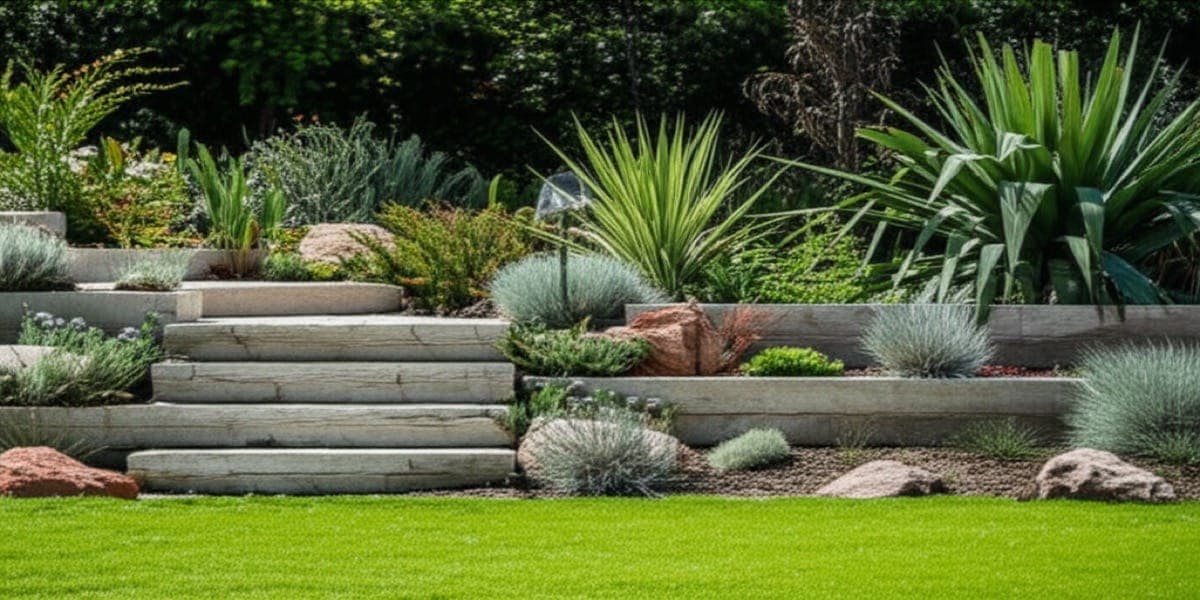
Beautiful low-maintenance landscape design in Fort Wayne Indiana

Most homeowners dream of a beautiful landscape that doesn’t consume every weekend with maintenance tasks. The good news is that low-maintenance landscaping isn’t about settling for boring—it’s about making smarter design choices upfront that reduce ongoing work while creating a more attractive, sustainable property. With strategic planning, you can dramatically cut mowing, watering, pruning, and weeding time while actually improving your home’s curb appeal.

In this guide, I’ll share the design principles and specific strategies that create truly low-maintenance landscapes in Fort Wayne’s climate. These aren’t compromises—they’re upgrades that look better, cost less to maintain, and give you more time to enjoy your outdoor space.

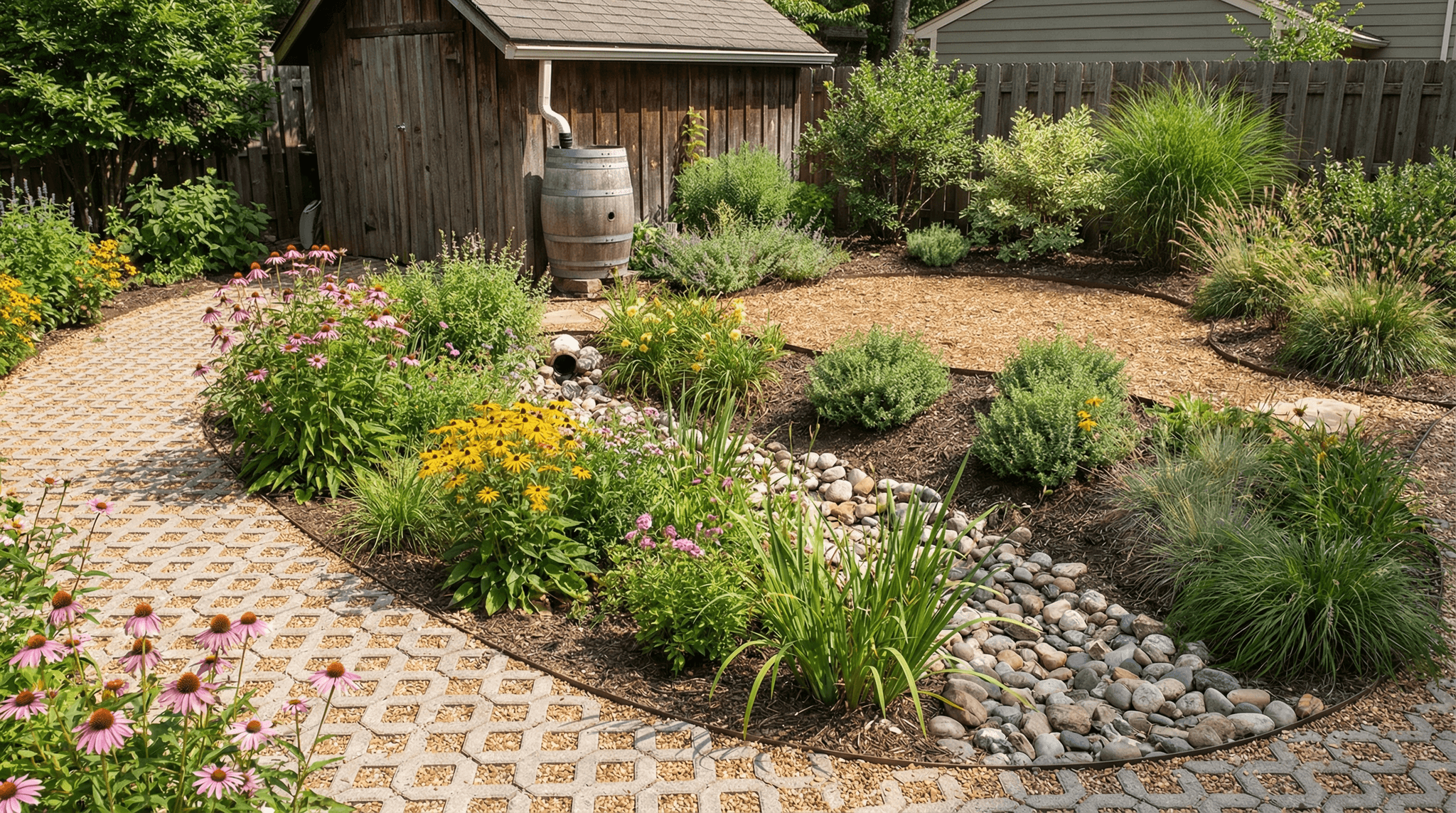
Beautiful low-maintenance landscape with native plants and stone

What Makes a Landscape Low-Maintenance?

A low-maintenance landscape minimizes time-intensive tasks like mowing, watering, pruning, weeding, and seasonal cleanup through strategic design choices: right-sized lawns, appropriate plant selection, effective mulching, smart hardscaping, and efficient irrigation. The key is making decisions at the design stage that eliminate recurring work rather than just simplifying it.

High-Maintenance vs Low-Maintenance Comparison

FeatureHigh MaintenanceLow Maintenance
Lawn area80%+ of property30-50% or less
Plant choicesAnnual flowers, sheared hedgesNative perennials, natural forms
Bed edgingNeeds constant trimmingDefined with edging materials
WateringDaily/regular irrigationRain gardens, drought-tolerant plants
MulchingReplaced annuallyPermanent ground covers or less mulch
PruningFrequent shapingPlants sized appropriately
WeedingConstant battleSuppressed by design

The Five Pillars of Low Maintenance

  1. Right plant, right place - Match plants to conditions
  2. Reduce lawn area - Less mowing, watering, fertilizing
  3. Effective mulching - Suppress weeds, retain moisture
  4. Strategic hardscaping - Replace problem areas
  5. Smart irrigation - Efficient watering or none needed

Common Maintenance Time-Sinks

Tasks that consume the most time:

TaskWeekly Hours (Typical)Reduction Strategy
Mowing1-3 hoursReduce lawn size
Weeding1-2 hoursMulch, ground covers
Watering2-4 hoursEfficient irrigation, plant selection
Pruning hedges0.5-1 hourChoose right-sized plants
Edging beds0.5-1 hourPermanent edging
Deadheading0.5-1 hourChoose self-cleaning plants

How Can You Reduce Lawn Area Strategically?

Reducing lawn area is the single most effective way to lower landscape maintenance because lawns require weekly mowing, regular watering, fertilization, weed control, and more attention than almost any other landscape element. Replace lawn in problem areas—deep shade, slopes, narrow strips—with alternatives that look better and need less care.

Where to Reduce Lawn First

High-priority replacement areas:

AreaProblemBetter Alternative
Under treesStruggles, needs reseedingMulch, shade plants
Steep slopesDifficult to mowGround cover, retaining wall
Narrow stripsTime-consuming to mowMulch, pavers, ground cover
Wet areasStruggles, disease issuesRain garden
Deep shadeThin, weedyShade garden, mulch
High-traffic pathsCompacted, deadStepping stones, pathway

Lawn Alternatives

Ground Covers:

  • Creeping thyme (sun, fragrant)
  • Pennsylvania sedge (shade, native)
  • Pachysandra (deep shade)
  • Creeping Jenny (moist areas)
  • Wild ginger (native, shade)

Mulched Beds:

  • Extend existing beds
  • Create tree rings
  • Replace struggling areas

Hardscaping:

  • Patios for living space
  • Pathways for traffic
  • Gravel areas for utility

Native Meadows:

  • Low-mow grass alternatives
  • Pollinator habitat
  • Large areas appropriate

Calculating Your Ideal Lawn Size

Consider:

  • Functional needs: Play area? Entertaining? Pet space?
  • Visual needs: Where does green lawn matter most?
  • Maintenance tolerance: How much mowing acceptable?

Many low-maintenance landscapes feature 30-50% lawn instead of 80%+, with beds, hardscape, and alternatives filling the balance.

Landscape showing reduced lawn area with beautiful plantings

What Plants Require the Least Maintenance?

The lowest-maintenance plants for Fort Wayne landscapes are native perennials, ornamental grasses, and well-chosen shrubs that don’t need annual pruning, deadheading, staking, or special care. These plants thrive in local conditions without supplemental watering, fertilizing, or pest management, requiring only annual cleanup at most.

Characteristics of Low-Maintenance Plants

Look for plants that:

  • Native to Indiana (adapted to climate)
  • Mature at appropriate size (no pruning needed)
  • Self-cleaning (no deadheading required)
  • Drought-tolerant once established
  • Disease and pest resistant
  • Long-lived (don’t need frequent replacing)

Top Low-Maintenance Perennials

PlantHeightSunFeatures
Purple Coneflower2-4 ftFull sunNative, self-seeds, bird food
Black-eyed Susan2-3 ftFull sunNative, drought-tolerant
Daylilies1-3 ftFull-part sunTough, reblooming varieties
Sedum (Stonecrop)4-24 inFull sunDrought-tolerant, fall interest
Hosta6-36 inShadeShade solution, varieties galore
Russian Sage3-5 ftFull sunDrought-proof, long bloom
Ornamental Grasses1-6 ftFull sunYear-round interest

Top Low-Maintenance Shrubs

ShrubHeightFeatures
Ninebark5-8 ftNative, colorful foliage, no pruning
Viburnum species4-12 ftNative, flowers, berries
Spirea (compact)2-4 ftLong bloom, easy care
Boxwood (select varieties)2-4 ftEvergreen, minimal pruning
Arborvitae3-15 ftEvergreen screening
Juniper (spreading)1-2 ftGroundcover, drought-tolerant

Plants to Avoid for Low Maintenance

High-maintenance plants:

  • Hybrid tea roses (disease, pruning)
  • Annual flowers (replace yearly)
  • Sheared hedges (constant trimming)
  • Weeping cherries (debris, disease)
  • Fruit trees (spraying, cleanup)
  • Tropical plants (winter protection)

How Does Hardscaping Reduce Maintenance?

Strategic hardscaping—patios, pathways, retaining walls, and mulched areas—eliminates maintenance in problem zones while adding functional outdoor living space. Every square foot of well-designed hardscape replaces ongoing lawn care with a one-time installation that lasts decades with minimal upkeep.

Hardscape Elements That Reduce Work

ElementReplacesMaintenance Saved
PatioLawn areaMowing, watering, fertilizing
WalkwaysWorn lawn pathsReseeding, bare spots
Retaining wallsDifficult slopesDangerous mowing
Mulch bedsWeedy areasWeeding, reseeding
Gravel areasSide yard lawnHard-to-mow spaces
DeckShaded lawnStruggling grass care

Low-Maintenance Hardscape Materials

MaterialMaintenanceLifespanBest Use
Concrete paversVery low25+ yearsPatios, walkways
Natural stoneVery lowLifetimePatios, walls
Gravel/crushed stoneLow (occasional raking)YearsPaths, utility areas
ConcreteLow20+ yearsDriveways, large patios
Composite deckingLow25+ yearsDecks

Hardscape Planning Tips

Consider:

  • Replace problem lawn areas first
  • Create functional outdoor rooms
  • Ensure proper drainage
  • Use permeable surfaces where possible
  • Match materials to home architecture

Avoid:

  • Cheapest materials (replace sooner)
  • Complex patterns (more settling issues)
  • Materials requiring sealing (regular maintenance)

Our hardscaping services include patios, walkways, and retaining walls designed for minimal maintenance and maximum enjoyment.

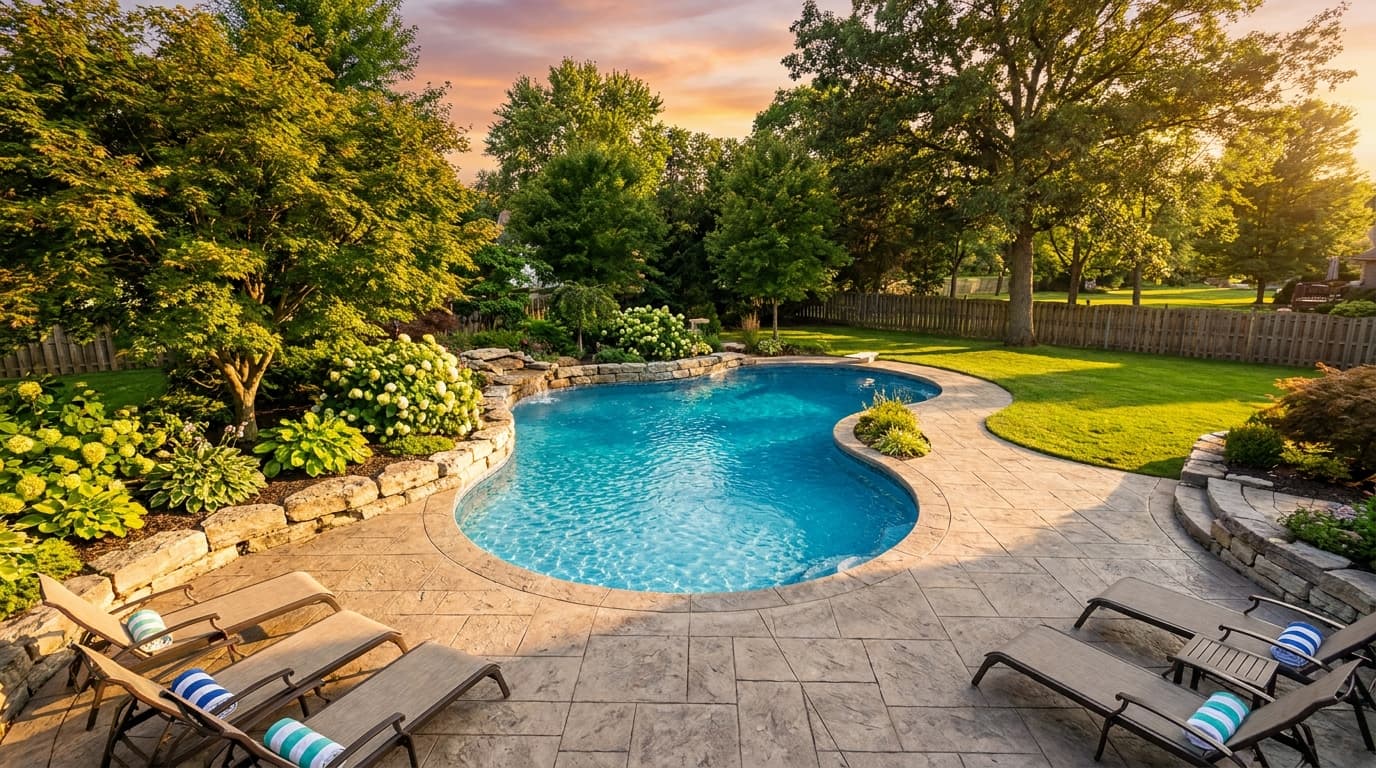
Paver patio with low-maintenance surrounding landscape

What Mulching Strategies Minimize Weeding?

Effective mulching suppresses weeds by blocking light, retaining soil moisture to reduce watering, and gradually improving soil as organic mulches decompose. Apply mulch 3-4 inches deep initially, replenish annually to maintain 2-3 inch depth, and consider permanent ground covers or decorative stone in areas where organic mulch would wash away or need frequent refreshing.

Mulch Types Compared

Mulch TypeMaintenanceWeed SuppressionLongevity
Hardwood mulchAnnual refreshExcellent1-2 years
Cedar/cypressEvery 1-2 yearsExcellent2-3 years
Stone/gravelMinimalGood (with fabric)Permanent
Pine needlesAnnualGood1 year
Living ground coverMinimalExcellentPermanent

Mulching Best Practices

Application:

  • 3-4 inches initial depth
  • Keep 2-3 inches from stems/trunks
  • Replenish to maintain 2-3 inch depth
  • Edge beds to contain mulch

Weed Prevention:

  • Install landscape fabric for stone areas
  • Skip fabric under organic mulches (decomposes into soil)
  • Pre-emergent herbicide under mulch if needed
  • Address perennial weeds before mulching

Permanent Mulch Alternatives

Ground cover plants:

  • Once established, self-maintaining
  • No annual refresh needed
  • Suppresses weeds indefinitely
  • Examples: pachysandra, vinca, sedum

Decorative stone:

  • River rock, crushed granite
  • Permanent solution
  • Best with landscape fabric
  • Ideal for modern designs

How Should You Design for Efficient Watering?

Design for efficient watering by grouping plants with similar water needs together (hydrozoning), choosing drought-tolerant species, capturing rainwater with rain gardens or rain barrels, and installing drip irrigation where regular watering is necessary. The goal is minimizing or eliminating supplemental irrigation while maintaining plant health.

Hydrozoning Principles

Create distinct zones:

ZonePlantsIrrigation
High waterAnnuals, vegetables, new plantingsRegular irrigation
Medium waterEstablished perennials, some shrubsOccasional deep watering
Low waterNatives, drought-tolerant, establishedRarely if ever
No waterNative groundcovers, ornamental grassesNone after establishment

Drought-Tolerant Plant Strategies

Choose plants adapted to:

  • Local rainfall patterns
  • Fort Wayne soil conditions
  • Temperature extremes

Establishment period:

  • Water regularly first year
  • Deep, infrequent watering
  • Gradually reduce over time
  • Most natives need no irrigation after year 2

Rain Gardens and Water Management

Rain gardens:

  • Capture runoff from impervious surfaces
  • Feature plants that tolerate both wet and dry
  • Reduce supplemental watering needs
  • Add beauty and wildlife habitat

Design considerations:

  • Position to catch roof/driveway runoff
  • Size for expected water volume
  • Include overflow pathway
  • Plant moisture-tolerant natives

Irrigation Options for Necessary Watering

If irrigation needed:

SystemEfficiencyBest For
Drip irrigation90%+Beds, vegetable gardens
Soaker hoses80%+Beds, perennial gardens
Smart controllersVariesAny system
In-ground sprinklers50-70%Lawns only

Rain garden capturing runoff in landscape design

What Design Elements Require the Most Maintenance?

The highest-maintenance landscape elements are formal hedges requiring regular shearing, annual flower beds needing seasonal replacement, high-input lawns in problematic areas, water features requiring cleaning and winterization, and plants placed in wrong growing conditions that struggle without intervention.

Elements to Minimize or Avoid

ElementMaintenance RequiredLower-Maintenance Alternative
Formal hedgesMultiple shearing/yearInformal shrubs, fence
Annual bedsPlant 2x/year, daily waterPerennial beds
Lawn in shadeConstant reseedingShade garden, mulch
Lawn on slopesDifficult mowingGround cover, retaining wall
Non-native exoticsExtra care, winter protectionNative plants
Water featuresCleaning, winterizingDry creek bed

Formal vs Informal Design

Formal landscapes:

  • Require regular maintenance to look right
  • Sheared hedges, manicured lawns, precision
  • Any imperfection is noticeable
  • Higher ongoing cost

Informal landscapes:

  • More forgiving of imperfection
  • Natural plant forms
  • Easier to maintain
  • Often more interesting

Design for Forgiveness

Features that look good with minimal care:

  • Massed perennial plantings
  • Ornamental grasses
  • Natural shrub forms
  • Mulched beds with defined edges
  • Stone or gravel areas

How Do You Convert an Existing Landscape to Low-Maintenance?

Converting an existing high-maintenance landscape to low-maintenance works best as a phased approach: start by eliminating the biggest time-sinks (oversized lawn, struggling beds), then improve plant selection and add hardscape elements over 2-5 years. Wholesale renovation is expensive; gradual transformation is more budget-friendly and allows adjustments.

Conversion Priorities

Phase 1 (Year 1):

  1. Assess what consumes most time
  2. Eliminate lawn in problem areas
  3. Install mulch in converted areas
  4. Begin removing high-maintenance plants

Phase 2 (Year 2-3):

  1. Add hardscape elements
  2. Install low-maintenance plantings
  3. Improve irrigation efficiency
  4. Define bed edges permanently

Phase 3 (Year 3-5):

  1. Refine plant selections
  2. Add finishing touches
  3. Remove remaining high-maintenance features
  4. Establish ground covers

Budget-Friendly Conversion Tips

Start with:

  • Mulch (inexpensive, immediate impact)
  • Bed edging (prevents grass invasion)
  • Removing struggling plants
  • Reducing lawn edges to straight lines

Save for later:

  • Major hardscape projects
  • Mature specimen plants
  • Irrigation systems

Realistic Expectations

ElementTime to Low Maintenance
Mulched bedsImmediate
Perennial gardens2-3 years
Ground covers2-3 years
Native plantings2-3 years
Shrub borders3-5 years
Tree canopy5-10 years

Transformed landscape showing before and after low-maintenance conversion


Create Your Low-Maintenance Landscape

Low-maintenance landscaping isn’t about having less—it’s about having smarter design that works with your property instead of against it. Start with your biggest maintenance frustrations, apply these principles, and gradually transform your landscape into one that looks beautiful with a fraction of the work.

Need help designing or installing a low-maintenance landscape? Our landscaping services focus on sustainable, beautiful designs that minimize ongoing care.

Request a Free Quote or call us at (260) 450-4676 to discuss your landscape transformation.


Frequently Asked Questions

Will a low-maintenance landscape look boring?

No! Low-maintenance landscapes can be more visually interesting than high-maintenance ones. Ornamental grasses, native flowers, and natural shrub forms provide more texture and seasonal change than manicured lawns and sheared hedges.

How much can I reduce my lawn maintenance time?

Converting 50% of lawn to beds, hardscape, and alternatives can reduce weekly maintenance time by 40-60%. Replacing remaining lawn with drought-tolerant grass reduces time further.

Is low-maintenance landscaping more expensive upfront?

Initial costs may be similar or slightly higher, but lifetime costs are much lower. Plants live longer, require less input, and hardscape elements last decades. You also save on water, fertilizer, and time.

How do I maintain curb appeal with less lawn?

Curb appeal comes from good design, not lawn size. Well-designed beds, specimen plants, clean edges, and strategic hardscape create more visual interest than plain lawn while requiring less care.

Can I have a low-maintenance landscape with kids and pets?

Yes! Include defined play areas with appropriate surfaces, choose durable plants, and use pet-resistant materials. Proper design accommodates active use while minimizing maintenance.

How long before perennials fill in?

Most perennials reach mature size in 2-3 years. Plant closer initially if you want faster fill-in, or use mulch and temporary annuals while waiting.

Should I remove all my lawn?

Not necessarily. Keep lawn where it functions: play areas, entertaining, pets. Remove it where it struggles or isn’t used. The goal is right-sizing, not elimination.

What’s the lowest-maintenance option for foundation plantings?

Evergreen shrubs that mature at the right size with good natural form require least work. Avoid anything that grows taller than space allows—pruning becomes necessary maintenance.


Sources


Adam Minnick is the owner of Minnick Lawn & Landscaping, serving Fort Wayne, Auburn, and Northeast Indiana since 2018. Our design team creates beautiful, sustainable landscapes throughout the region.