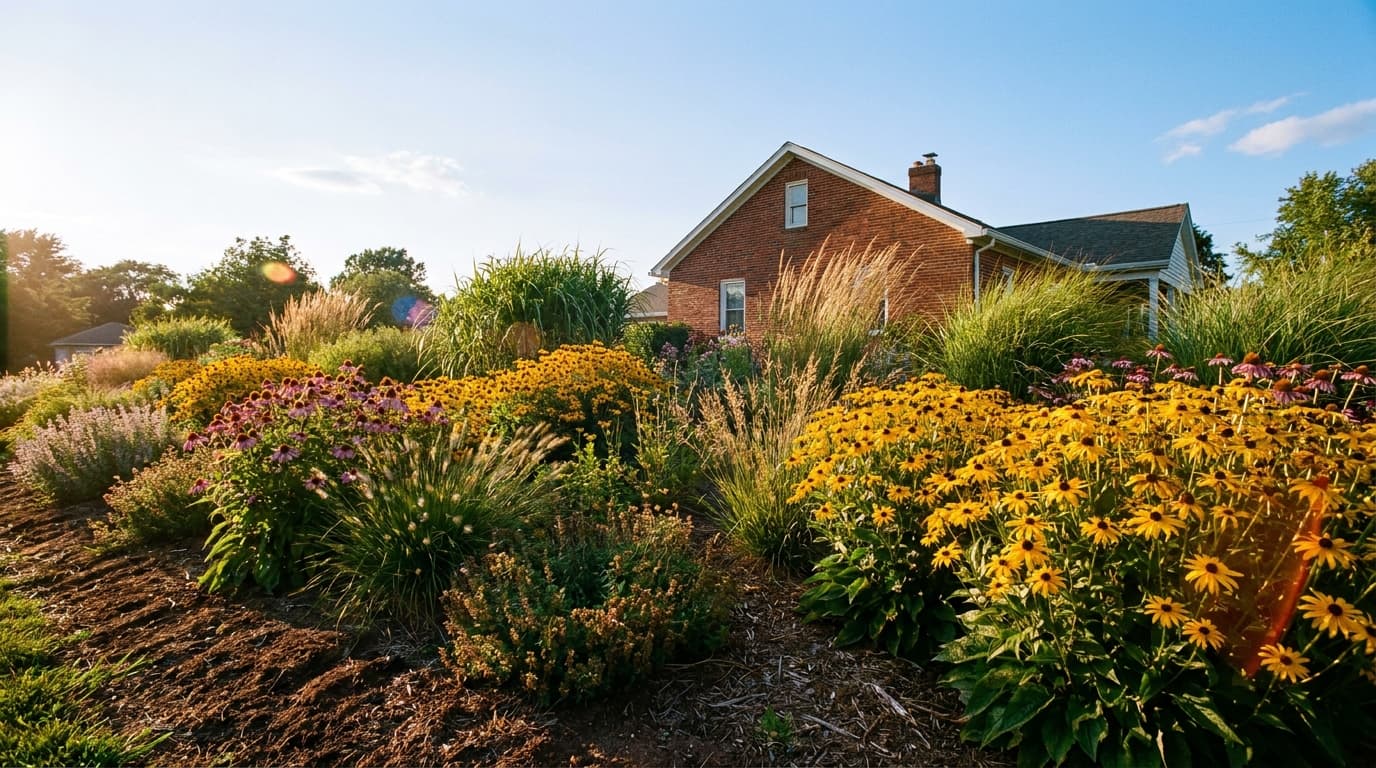
Northeast Indiana's USDA Zone 5b climate presents unique challenges for gardeners, but the right perennial plants create stunning, low-maintenance landscapes that return year after year. Whether you're in Fort Wayne, Auburn, or surrounding areas, selecting cold-hardy perennials adapted to our clay-heavy soil and variable winters ensures your garden thrives without constant replanting.
Which Perennials Handle Fort Wayne's Cold Winters Best?
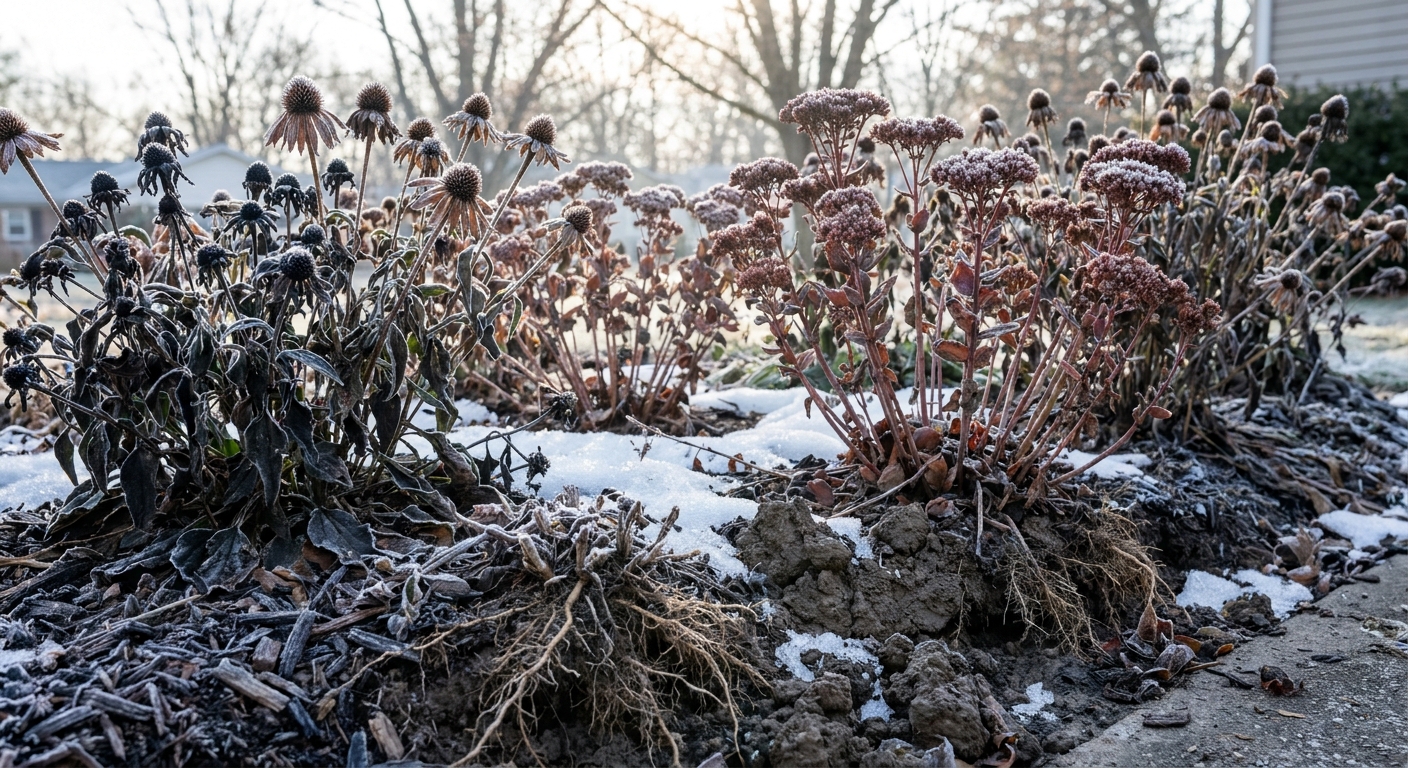
The most reliable perennials for Northeast Indiana are those rated for Zone 5b hardiness, meaning they survive temperatures dropping to -15°F to -20°F. Black-eyed Susans, coneflowers, daylilies, and sedums are workhorses that flourish in Fort Wayne gardens. These plants develop deep root systems that anchor them through freeze-thaw cycles common in our region, and they require minimal winter protection once established.
Local soil conditions matter significantly. Northeast Indiana's clay-heavy soil retains moisture longer than sandy soils, so choosing perennials that tolerate both wet springs and drier summers is essential. Perennials with fuzzy or waxy foliage—like lamb's ear and Russian sage—naturally shed excess water and perform exceptionally well in our climate.
What Are the Easiest Perennials to Grow in Northeast Indiana?
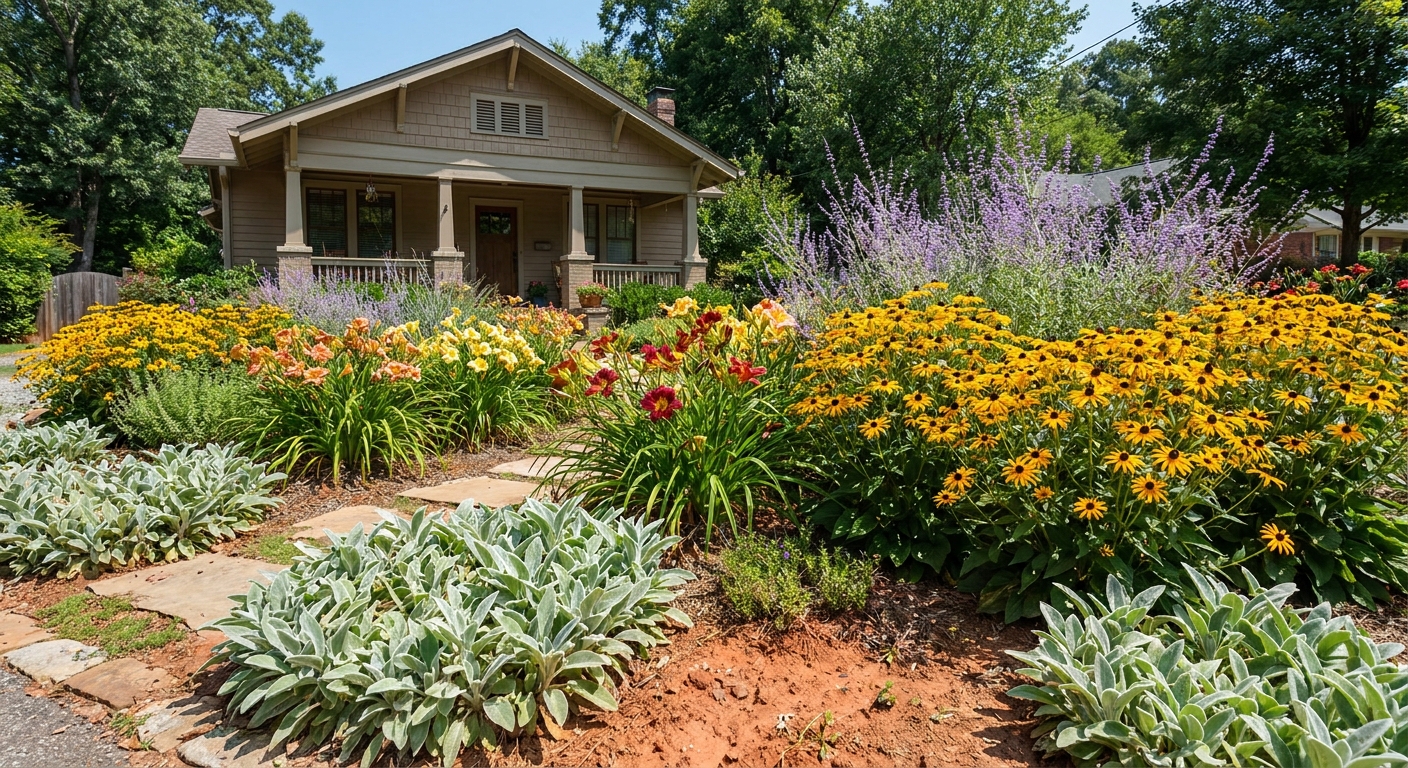
If you're new to gardening in Fort Wayne, start with these bulletproof perennials that thrive with minimal fussing. Black-eyed Susans bloom from July through frost, daylilies offer incredible variety in colors and bloom times, and coneflowers attract pollinators while requiring almost no maintenance. These three alone can transform your landscape into a colorful, resilient garden.
Other simple performers include:
- Sedum – Drought-tolerant succulents that add texture and interest; sedums like 'Autumn Joy' transition beautifully through seasons
- Hostas – Perfect for shaded areas common under Northeast Indiana trees; foliage provides months of interest
- Salvia – Tall spiky flowers that add vertical dimension; extremely cold-hardy and attracts hummingbirds
- Phlox – Fragrant summer blooms in pink, purple, and white; native to the region and thrives in local conditions
- Astilbe – Feathery flowers for partial shade; tolerates wet clay soil better than many perennials
How Do You Plant Perennials in Northeast Indiana's Clay Soil?
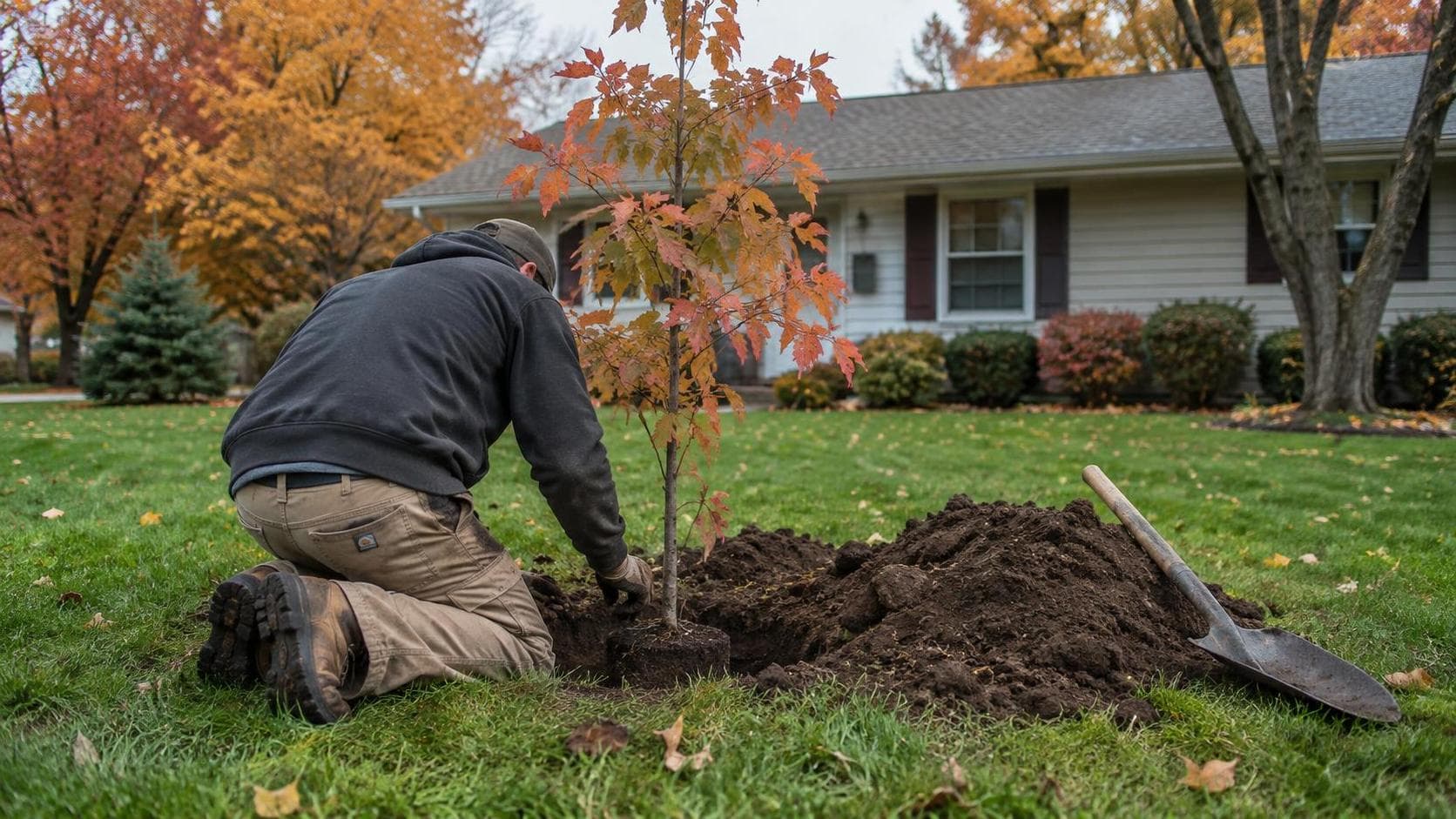
Fort Wayne's clay-heavy soil requires amendment before planting perennials. Dig planting holes twice as wide as the root ball and mix excavated clay with compost or aged bark mulch at a 50-50 ratio. This creates a transitional zone that helps roots escape compacted clay while improving drainage—critical for preventing root rot during our wet springs.
Follow these planting steps for Northeast Indiana success:
- Amend the soil – Mix native clay with 3-4 inches of compost or quality topsoil
- Plant at proper depth – Keep the crown (where stems meet roots) at soil level; planting too deep causes rot in our moist climate
- Water thoroughly – Settle soil and provide consistent moisture for the first growing season
- Apply mulch – 2-3 inches of mulch conserves moisture and moderates soil temperature swings
- Space appropriately – Proper spacing ensures air circulation, reducing fungal disease pressure in humid Fort Wayne summers
The key to perennial success in Northeast Indiana is matching plants to our specific conditions: cold-hardy varieties, soil amendments for clay, and proper spacing for airflow. This foundation transforms first-year transplants into thriving, multi-year displays.
Which Perennials Bloom at Different Times Throughout the Season?
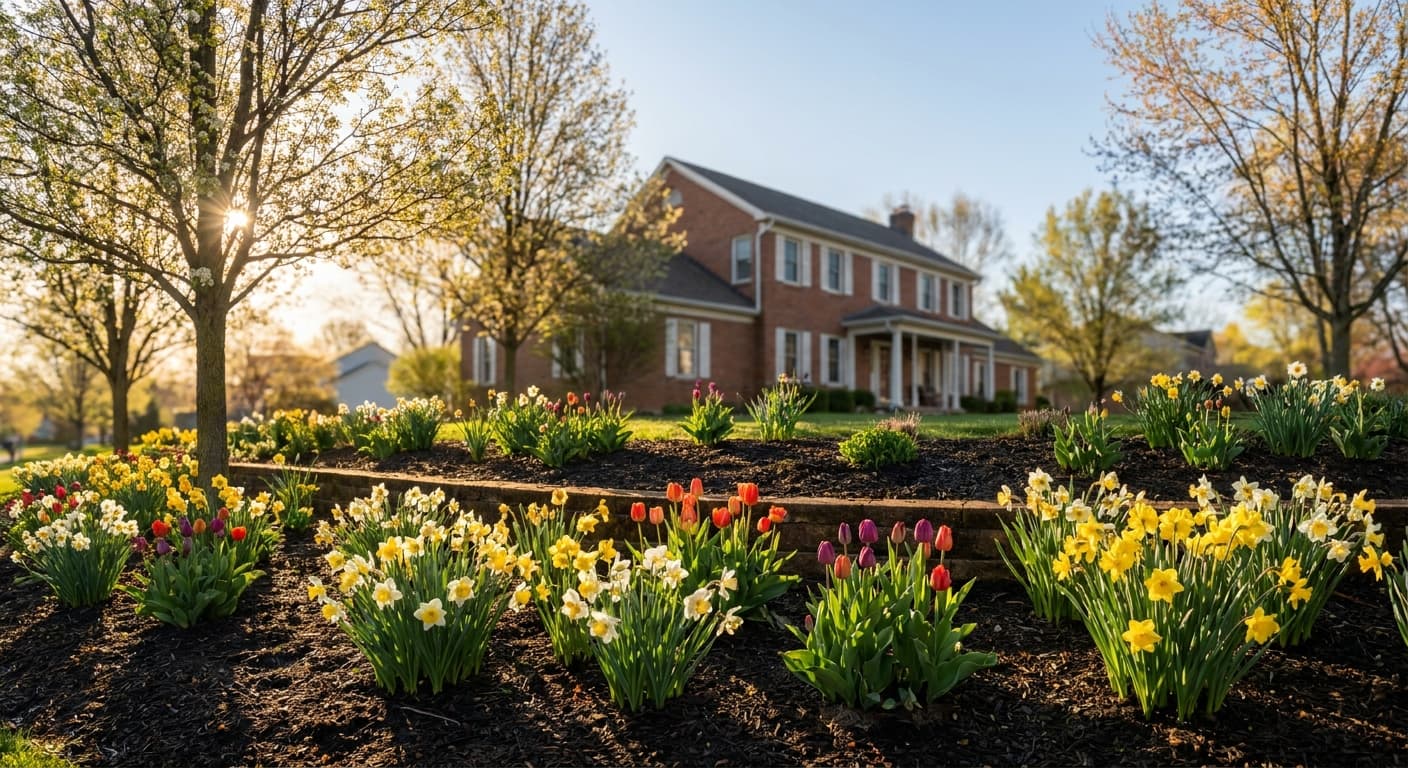
A well-designed Fort Wayne perennial garden blooms continuously from spring through fall. Stagger plantings by bloom time to create year-round color and sustained pollinator activity. Early bloomers like creeping phlox and hellebores open the season, mid-season stars like coneflowers peak in summer, and late bloomers like asters and sedums carry interest into November.
Consider this seasonal succession for Northeast Indiana gardens:
- Spring (April-May) – Creeping phlox, hellebores, bleeding heart, and ornamental grasses awakening
- Early Summer (June-July) – Catmint, daylilies, salvia, and Siberian iris showcase peak color
- Mid-Late Summer (August-September) – Black-eyed Susans, coneflowers, Russian sage, and garden phlox dominate
- Fall (October-November) – Asters, sedums in sunset hues, goldenrod, and ornamental grass plumes shine
Do Perennials in Fort Wayne Need Special Winter Care?
Most cold-hardy perennials adapted to Northeast Indiana require minimal winter preparation. Cut back dead foliage after frost kills plants back (or leave ornamental grasses standing for winter interest), and let them rest over winter. Mulch applications applied in fall protect tender crowns but should be pulled back slightly in spring to prevent moisture-related rot as soil warms.
A few perennials benefit from extra protection in the harshest Fort Wayne winters. Marginally hardy plants like butterfly weed and some sedums appreciate a 3-4 inch mulch layer for insulation. Never mulch right up against plant stems—this creates a cozy home for mice and encourages rot. Leave 2-3 inches of air space around each plant's crown.
How Can Minnick Lawn Help With Perennial Garden Design?
Designing a thriving perennial garden requires understanding Northeast Indiana's specific microclimate, soil conditions, and light patterns. Our landscaping services include professional garden design that accounts for Fort Wayne's clay soil and Zone 5b hardiness requirements. We select plant combinations that succeed together, creating beautiful, low-maintenance landscapes you'll enjoy for decades.
Whether you're refreshing tired beds with new perennials, converting lawn to garden space, or starting your first landscape project in Northeast Indiana, Minnick Lawn brings 7+ years of local expertise. We understand which perennials thrive in Fort Wayne's conditions, how to amend our clay soils properly, and how to space plants for optimal health and visual impact.
Ready to create a stunning perennial garden that thrives year after year? Request a free landscaping quote today, and let's design a garden perfect for your Northeast Indiana home. Call us at (260) 927-5185 or visit our contact page to discuss your perennial landscaping ideas.