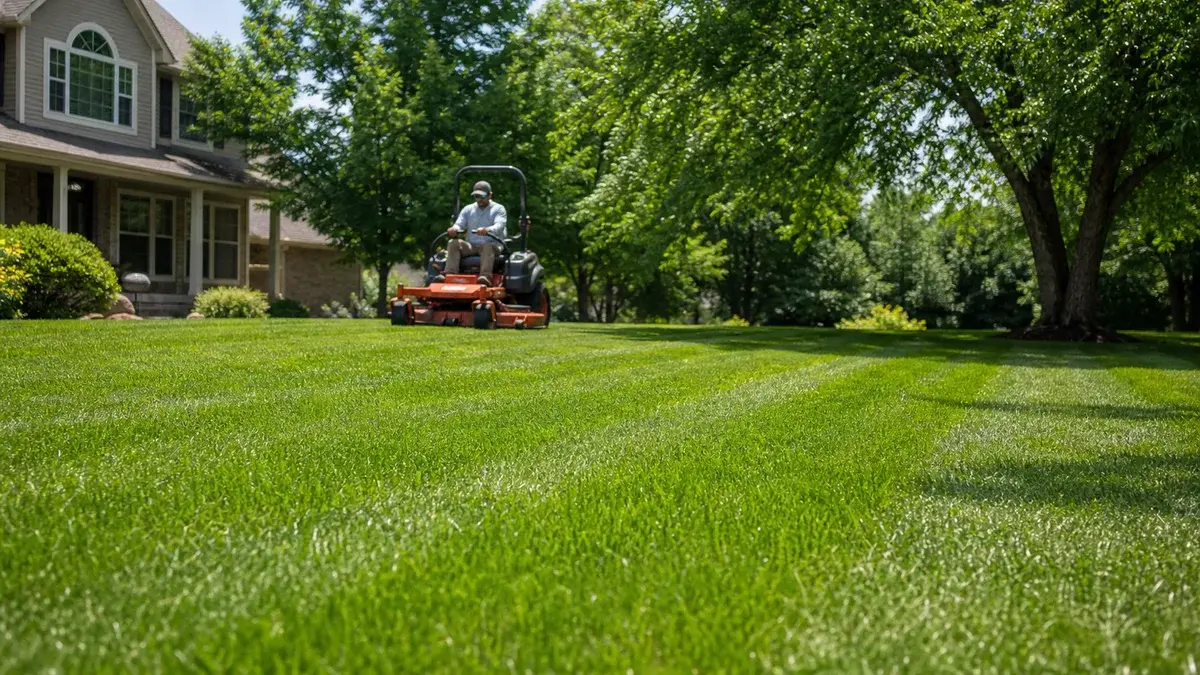
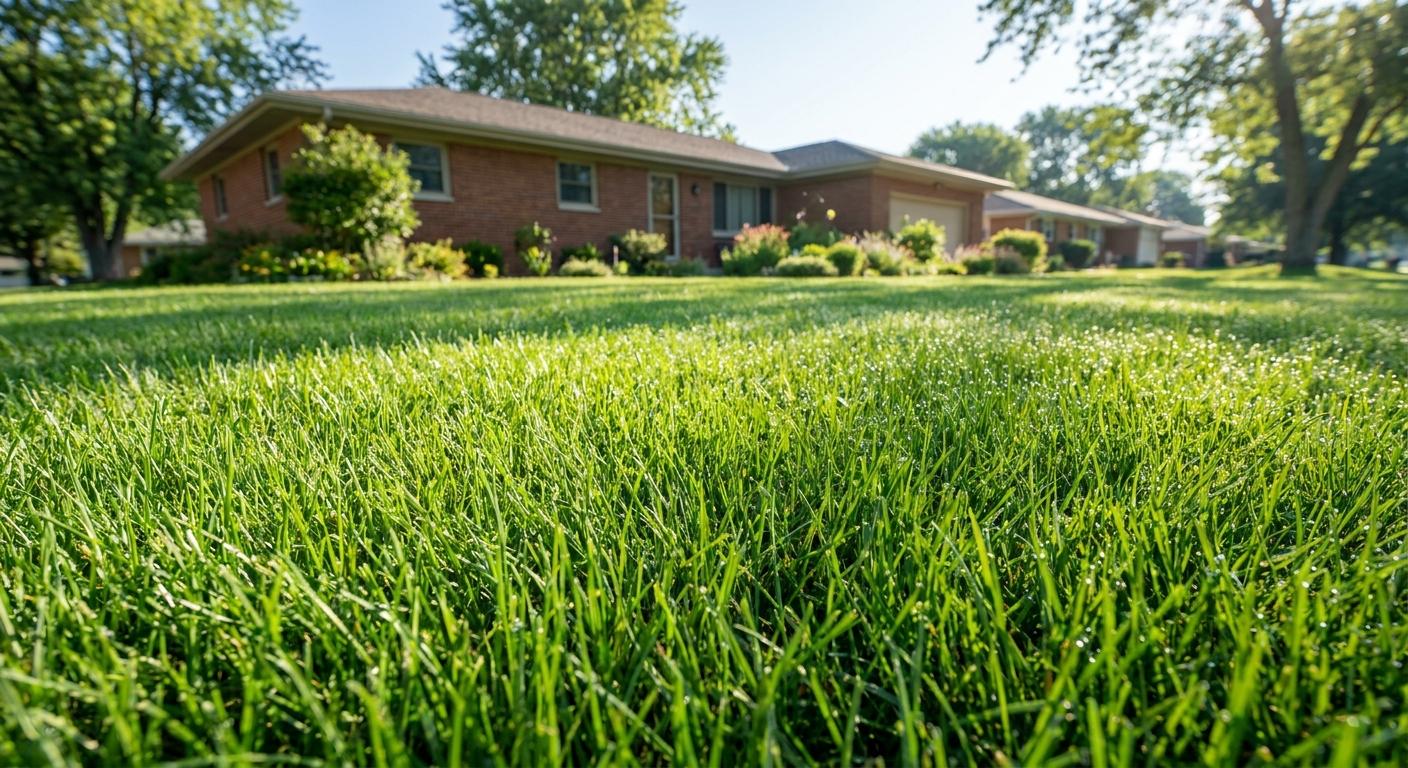
Fort Wayne's cool-season climate is ideal for growing thick, vibrant lawns—if you choose the right grass type. With Northeast Indiana's USDA Zone 5b conditions and clay-heavy soil, selecting a grass variety that handles cold winters and humid summers is essential for achieving that dense, healthy turf you want. The best grasses for Fort Wayne lawns are perennial ryegrass, tall fescue, and fine fescue blends, each offering unique advantages for your specific lawn conditions.
What Grass Types Grow Best in Fort Wayne's Climate?
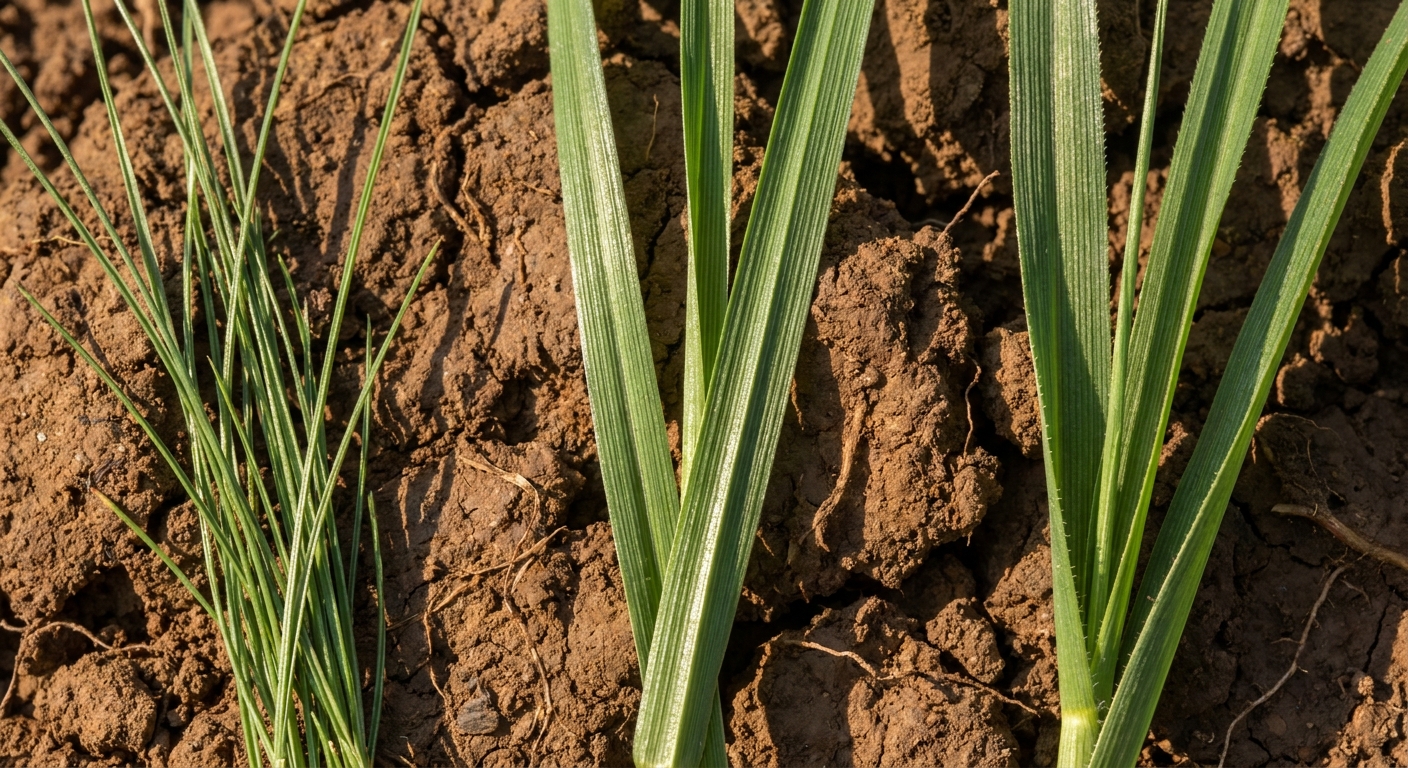
Fort Wayne falls in the cool-season grass region, meaning the best lawns use grasses that thrive in cold winters and moderate summers rather than warm-season varieties. The three primary grass types recommended for thick lawns in Northeast Indiana are perennial ryegrass, tall fescue, and fine fescue (including hard fescue and sheep fescue blends). Each handles our clay soil and temperature fluctuations well, but they excel in different situations.
Perennial ryegrass germinates quickly and develops a deep root system, making it excellent for high-traffic areas. Tall fescue is the toughest option—it resists drought better than other cool-season grasses and handles our heavy soil. Fine fescue varieties prefer shadier spots and develop fine-textured blades that look premium. Most lawn professionals in Fort Wayne recommend blends combining these types to maximize thickness and resilience across your entire yard.
Why Does Perennial Ryegrass Produce Such Thick Lawns?
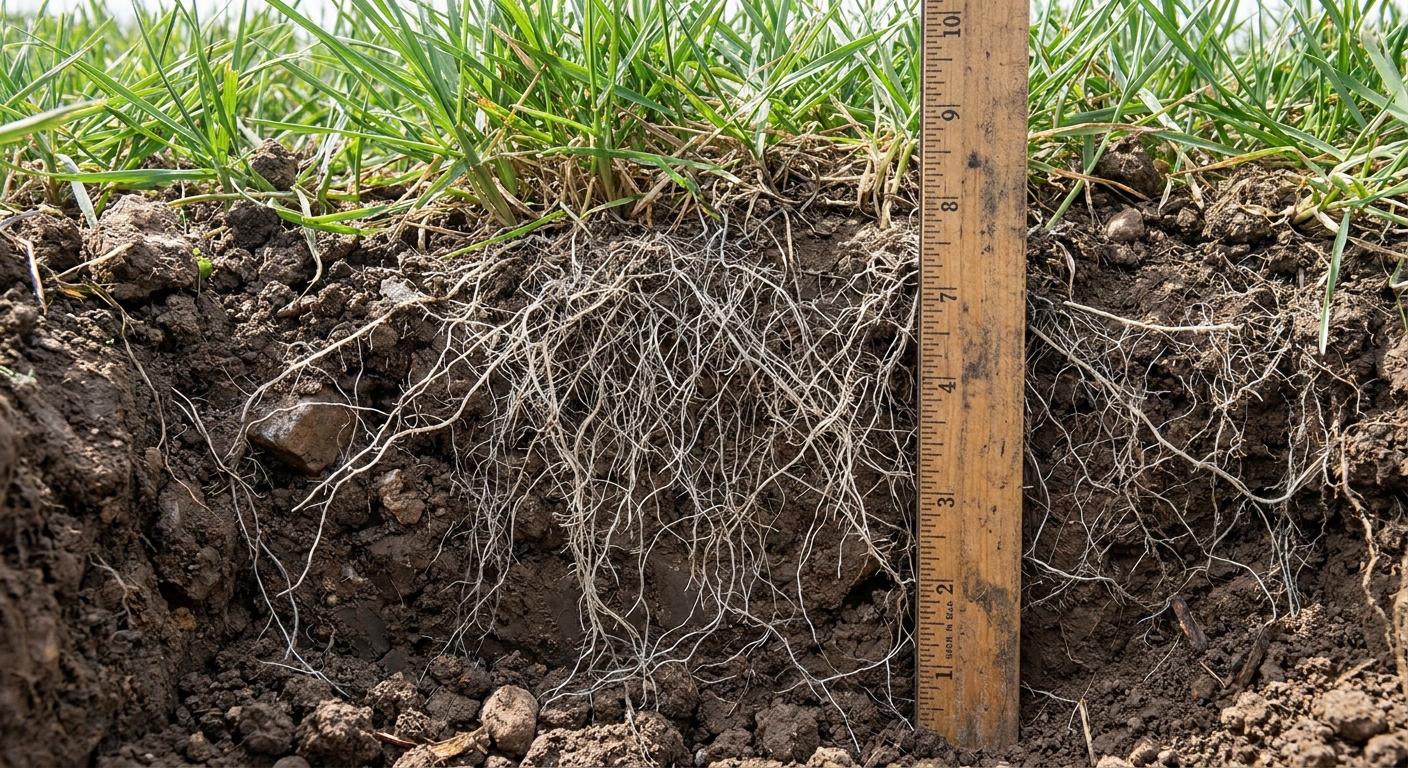
Perennial ryegrass is the go-to choice for dense lawns throughout Fort Wayne because it germinates in just 5–10 days and fills in quickly with fine-textured blades. It develops an impressive root system that reaches 24–36 inches deep, anchoring the grass firmly and accessing water during dry spells. The combination of fast growth and strong roots creates that lush, carpet-like appearance homeowners love.
This grass type also tolerates our clay soil better than many alternatives and bounces back quickly after mowing or heavy use. If you want visible results within weeks of seeding, perennial ryegrass is your best bet. It handles Fort Wayne's freeze-thaw cycles well and maintains color even as temperatures drop in fall. Many local landscapers prioritize perennial ryegrass blends because clients see dramatic improvements by mid-season.
How Does Tall Fescue Compare for Creating Dense Turf?
Tall fescue produces thicker, tougher lawns than perennial ryegrass in challenging conditions. While it germinates slightly slower (7–14 days), it develops deeper roots that reach 36–48 inches—among the deepest of cool-season grasses. This drought resistance and root strength make tall fescue ideal for Fort Wayne homeowners dealing with compacted clay soil, shade variability, or steep slopes where erosion is a concern.
Tall fescue also resists disease pressure better than ryegrass in humid Northeast Indiana summers. The downside is that taller fescue varieties produce slightly coarser blades than fine fescues or ryegrass, though modern cultivars have improved texture significantly. For maximum density, professional lawn care companies often blend tall fescue with perennial ryegrass to combine the speed of ryegrass with the durability of fescue.
What About Fine Fescue for Shade and Density?
Fine fescue varieties (hard fescue, chewing fescue, and sheep fescue) excel in shaded areas of your Fort Wayne lawn where other grasses struggle. They produce fine-textured, dense blades and require less mowing, making them perfect for under trees or north-facing yards. While slower to germinate than ryegrass, fine fescues establish a thick turf once established and tolerate our cool Northeast Indiana winters beautifully.
The primary limitation is that pure fine fescue lawns don't handle heavy foot traffic as well as ryegrass or tall fescue. That's why most lawn care professionals in Fort Wayne recommend blended seed that combines 40–50% fine fescue for shade, 30–40% perennial ryegrass for density and traffic tolerance, and 10–20% tall fescue for durability. This blend gives you thick coverage across sun and shade while handling our challenging soil and climate.
What's the Best Grass Seed Blend for Fort Wayne Lawns?
The ideal seed blend for maximum thickness in Fort Wayne contains multiple cultivars engineered for our specific conditions. Here's what works best:
- 50% Perennial Ryegrass Blend – Fast-growing, dense, handles traffic
- 30% Tall Fescue – Deep roots, drought tolerance, disease resistance
- 20% Fine Fescue Mix – Shade tolerance, fine texture, reduced maintenance
When purchasing seed at local Fort Wayne garden centers or through professional landscapers, look for bags labeled "Northeast Blend" or "Zone 5b Blend." The seed should include modern cultivars like Outlast perennial rye, Falcon tall fescue, and Waldina hard fescue—these are bred specifically for Midwest conditions. Avoid cheap generic blends that include inappropriate warm-season grasses or low-quality cultivars; they'll disappoint.
The thickness of your lawn depends 40% on grass type, 40% on soil preparation, and 20% on mowing and maintenance. Choose the right blend for Fort Wayne's climate, prepare your soil properly, and mow at the correct height consistently.
How Do You Prepare Fort Wayne Soil for Thick Grass Growth?
Northeast Indiana's clay-heavy soil can block the path to thick grass if not properly prepared. Before seeding, soil testing is critical—contact your local Purdue Extension office for a kit. Most Fort Wayne lawns test low in organic matter and slightly acidic pH (6.0–6.5 is ideal for cool-season grasses). If pH is below 5.8, apply lime 4–6 weeks before seeding; if above 7.0, apply elemental sulfur.
To build thickness, amend your soil with 1–2 inches of quality compost or aged bark worked into the top 3–4 inches. This breaks up clay compaction, improves drainage, and feeds beneficial microorganisms. If your lawn is severely compacted, aeration followed by seeding and overseeding produces the fastest results. Many homeowners in Fort Wayne see dramatic thickness improvements within one season after proper soil prep combined with the right seed blend.
Timing matters too—fall (late August through September) is the absolute best time to seed in Northeast Indiana. Soil temperatures are ideal (60–70°F), fall rains keep seedlings moist, and spring competition from weeds is minimal. Spring seeding (April–May) works but requires more water management during our sometimes-dry Mays.
What Maintenance Creates and Maintains Thick Lawn Density?
Even with the perfect grass type and soil preparation, your Fort Wayne lawn only gets thick with proper ongoing care. Follow these practices:
- Mow at the right height – Keep cool-season grasses 2.5–3.5 inches tall; this promotes thick root systems and shades out weeds
- Fertilize strategically – Apply nitrogen in spring and fall (not summer) to promote density without heat stress
- Water deeply but infrequently – 1 inch per week encourages deep roots; daily sprinkles create shallow, thin growth
- Control weeds and pests early – Thick grass crowds out weeds naturally, but active removal accelerates density
- Overseed every 2–3 years – Fort Wayne lawns naturally thin over time; regular overseeding maintains fullness
Professional lawn care services in Fort Wayne handle these tasks year-round, adjusting schedules for our climate. A comprehensive program starting in spring (weed control and initial fertilization), through summer (careful mowing and watering), into fall (major fertilization and overseeding), and winter management produces noticeably thicker lawns than DIY efforts.
If you're ready to transform your Fort Wayne lawn into the thick, lush turf you've always wanted, the right grass type is just the beginning. Professional soil analysis, quality seed selection, expert installation, and ongoing maintenance deliver results. Contact Minnick Lawn & Landscaping for a free quote today—our team knows exactly what grows thick and beautiful in Fort Wayne's climate, and we'll create a custom plan for your property.