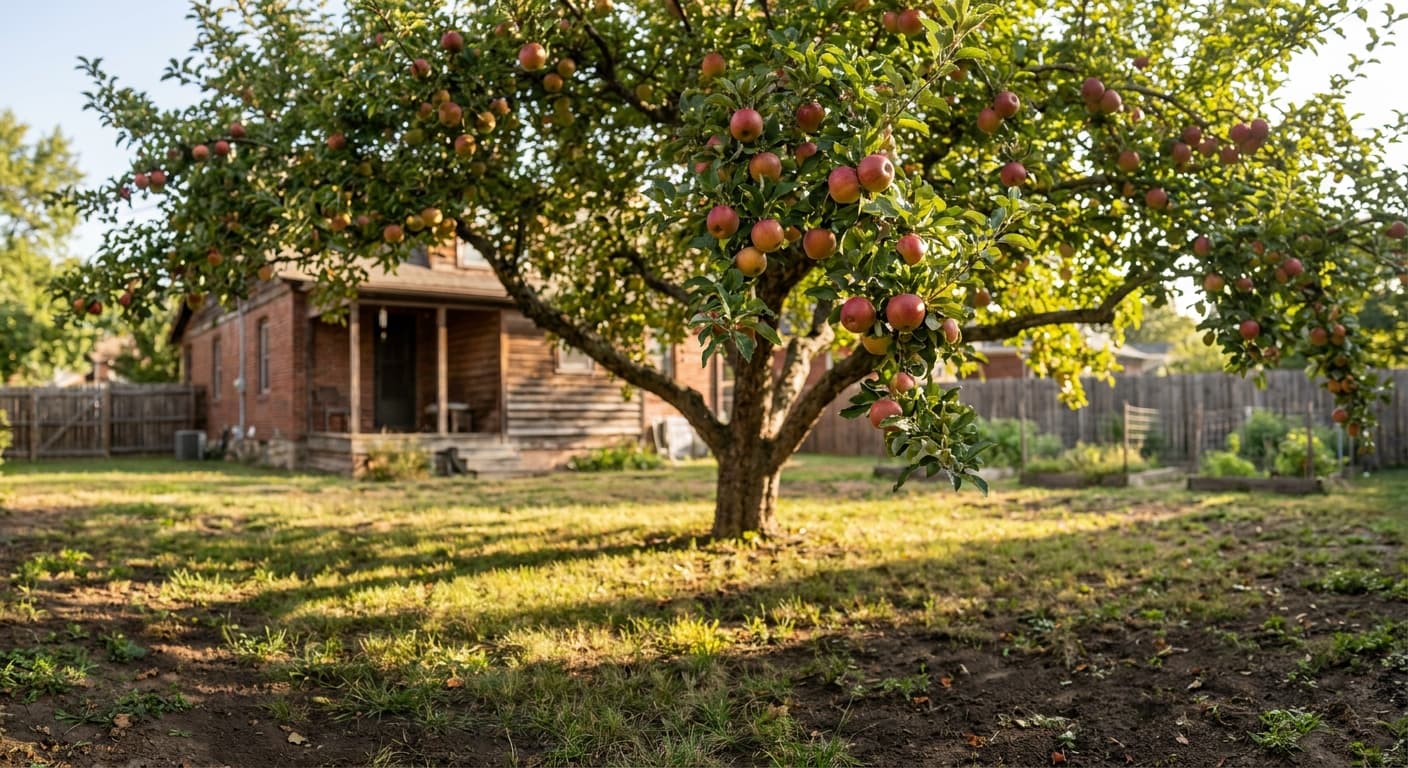
Growing fresh fruit right in your Fort Wayne backyard is entirely possible with the right tree varieties. Northeast Indiana's Zone 5b climate supports several cold-hardy fruit trees that produce abundant harvests year after year. Whether you're dreaming of crisp apples, juicy peaches, or tart cherries, we'll help you choose the perfect fruit trees for your landscape and show you how to plant them for success.
What Fruit Trees Grow Best in Fort Wayne's Climate?
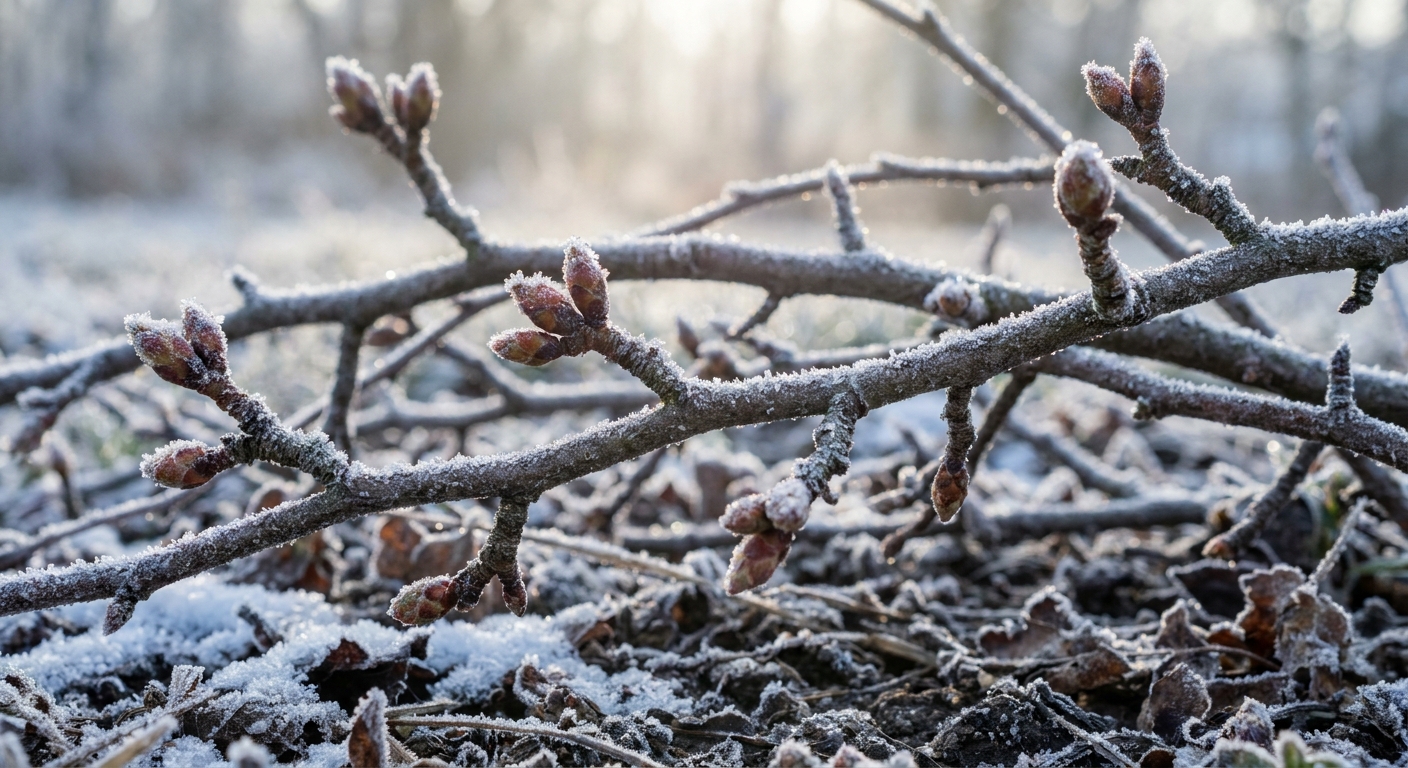
Fort Wayne's USDA Zone 5b climate requires fruit trees that can withstand winter temperatures dropping to -15°F or lower. The best candidates are apple, cherry, pear, and peach trees—all thrive in Northeast Indiana when properly selected and cared for. Local soil tends to be clay-heavy and slightly alkaline, which most of these trees tolerate well with some soil amendment.
The key to success is selecting varieties rated for cold hardiness and ensuring adequate winter chill hours. Most fruit trees need 800–1,200 hours below 45°F during dormancy to fruit properly, and Fort Wayne reliably provides this. Spring frosts can still damage early-blooming trees, so choosing later-blooming varieties reduces frost damage risk.
Which Apple Varieties Thrive in Fort Wayne?
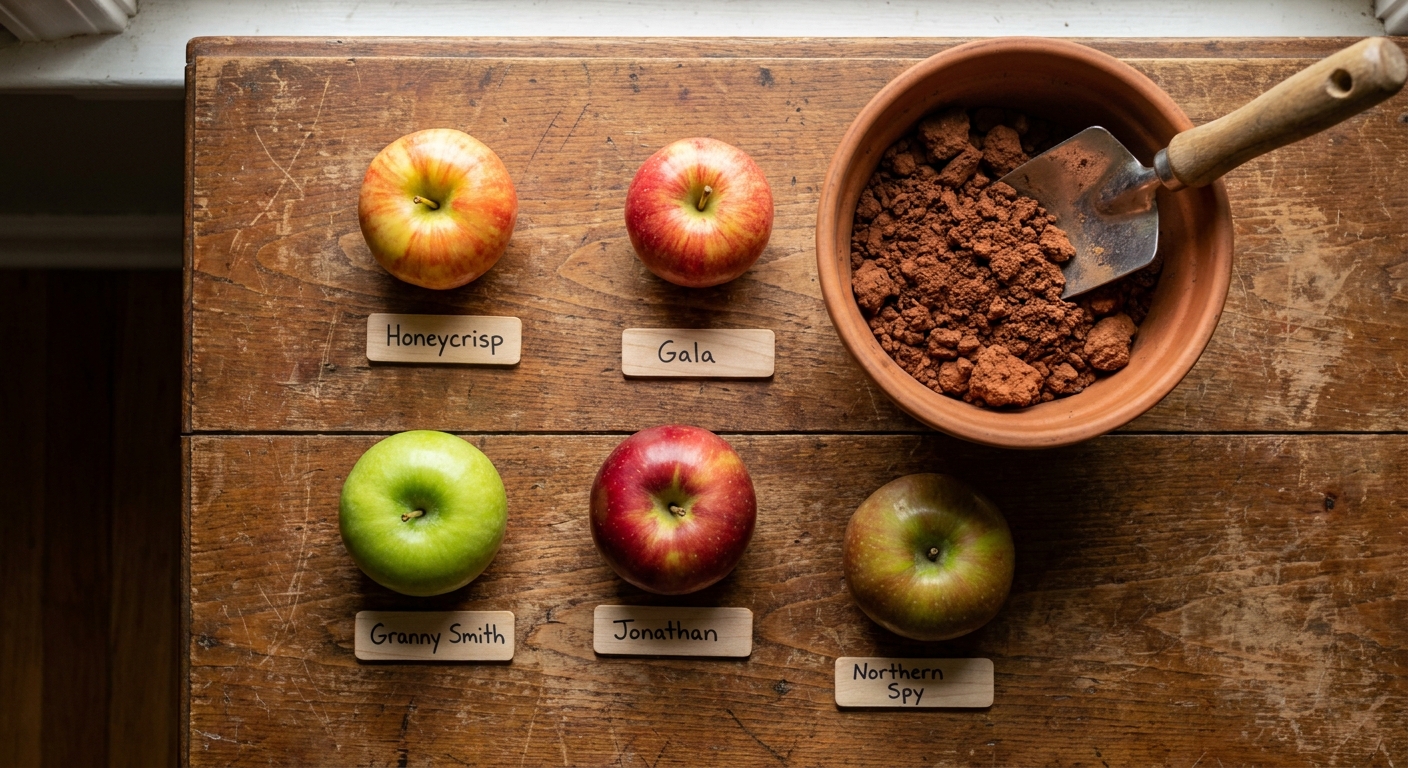
Apple trees are the most reliable fruit choice for Fort Wayne homeowners. Cold-hardy varieties like Honeycrisp, Gala, Granny Smith, and Jonathan excel in Northeast Indiana. For best results, plant at least two different varieties to ensure cross-pollination and maximize fruit set.
Top Apple Varieties for Fort Wayne:
- Honeycrisp: Sweet, crisp, and disease-resistant; ripens late September
- Gala: Early harvest (August), excellent flavor, cold-hardy to -20°F
- Granny Smith: Tart, storage-friendly, extremely winter-hardy
- Jonathan: Classic flavor, moderately disease-resistant, reliable Fort Wayne performer
- Pink Lady: Late ripening reduces frost risk, stores well
- Empire: Hybrid of Red Delicious and Honeycrisp, exceptional hardiness
Plant apple trees in full sun (6+ hours daily) with well-draining soil. In Fort Wayne's clay-heavy yards, amend planting holes with compost to improve drainage. Space trees 15–20 feet apart and stake young trees to prevent wind damage through Indiana winters.
Can You Grow Cherry Trees in Fort Wayne?
Cherry trees are excellent additions to Northeast Indiana landscapes. Both sweet and tart (sour) cherries survive Fort Wayne winters, though tart cherries are more reliably productive and better suited to our climate. Montmorency is the gold standard for Fort Wayne—it's hardy, prolific, and resists local diseases.
Cherry Varieties for Fort Wayne:
- Montmorency (Sour Cherry): Hardy to -30°F, self-fertile, ripens early July, ideal for baking
- Balaton (Sour Cherry): Darker, sweeter than Montmorency, excellent fresh-eating
- Stella (Sweet Cherry): Self-fertile, but needs winter protection in harsh years
- Evans Bali (Sweet Cherry): Extremely cold-hardy, newer variety gaining popularity in Zone 5b
Cherry trees need full sun and excellent drainage—more critical than apples due to disease susceptibility. Space 20–25 feet apart. Northeast Indiana's spring rains can cause cherry leaf spot and brown rot, so choose disease-resistant varieties and prune for air circulation.
Are Peach Trees Worth Planting in Fort Wayne?
Peach trees can grow in Fort Wayne but require more careful variety selection than apples or cherries. You need extremely cold-hardy varieties rated for -15°F or colder. Reliance, Contender, and Polarcrest are bred specifically for northern climates and perform reliably in Northeast Indiana.
Peach trees need full sun, excellent drainage, and winter protection from wind. In Fort Wayne, southern-facing locations with shelter from northwest winds dramatically increase success rates.
The main challenge with peaches in Fort Wayne is late spring frosts killing flower buds. Super-hardy varieties with later bloom times reduce this risk. Plant peach trees on a slight slope for cold air drainage—hilltops stay 3–5°F warmer on frost nights. Space 15–20 feet apart and mulch heavily after the ground freezes to insulate roots.
What About Pear Trees for Northeast Indiana?
Pear trees are often overlooked but perform excellently in Fort Wayne's climate. European pears like Bartlett and Bosc are hardy to -20°F, while Asian pears offer unique flavor and crispy texture. Unlike apples, most pears require a pollinator, so plant at least two varieties together.
- Bartlett: Classic flavor, ripens August–September, needs companion pollinator
- Bosc: Brown-skinned, stores beautifully, blooms mid-season reducing frost risk
- Seckel: Extremely hardy, small fruit, perfect for Fort Wayne backyards
- Shinseiki (Asian): Crispy, sweet, very cold-hardy, self-fertile
Pear trees prefer well-drained soil and full sun. They're more resistant to disease than apples in Northeast Indiana's humid summers but still need good air circulation. Thin fruit to one pear every 6 inches for large, quality harvests.
How Do You Plant Fruit Trees Successfully in Fort Wayne?
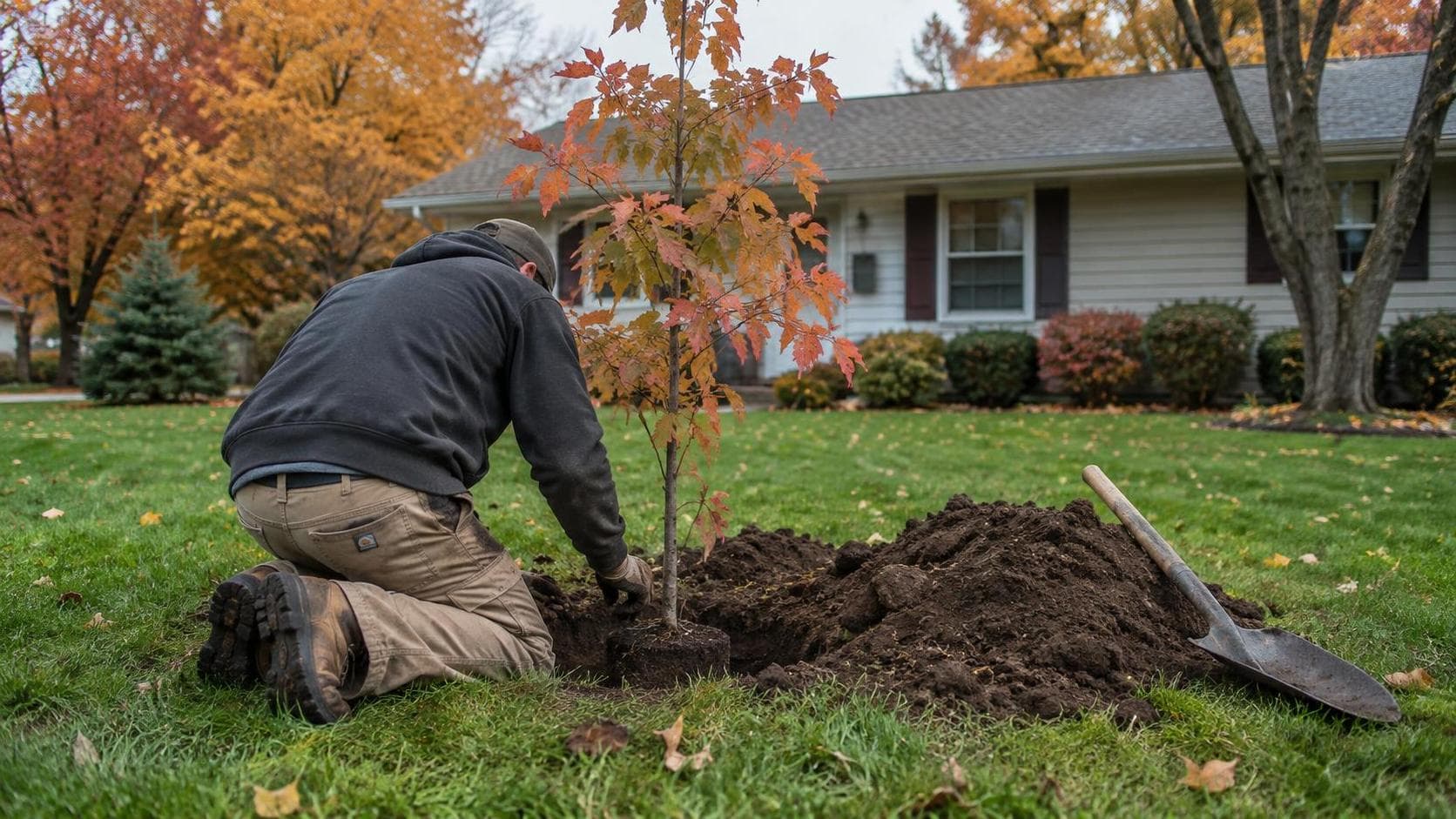
Proper planting technique determines whether your fruit trees thrive or struggle through Fort Wayne winters. Choose a full-sun location with at least 6–8 hours of direct sunlight daily. Dig a hole twice as wide as the root ball but no deeper—trees planted too deep in our clay soil develop rot issues.
Step-by-Step Fort Wayne Planting Guide:
- Timing: Plant in early spring (March–April) or fall (September–October) while trees are dormant
- Soil prep: Amend clay soil with 30–40% compost in the planting hole and backfill area
- Positioning: Plant at the same depth as the nursery container; keep graft union 2 inches above soil
- Backfill: Create a berm around the tree to hold water, then water deeply
- Mulch: Apply 3–4 inches of wood chips, keeping mulch 6 inches from the trunk
- Staking: Use stakes for young trees in exposed locations; remove after one year
- Winter prep: In November, apply thick mulch after the ground freezes to insulate roots
For best results in Northeast Indiana's climate, plant fruit trees away from low-lying areas where cold air settles and frost damage occurs. A south-facing slope is ideal. Avoid planting in front of north-facing walls where wind tunneling intensifies winter damage.
Fort Wayne's clay soil needs significant amendment. Don't plant fruit trees directly into unamended clay—they'll develop root rot within 2–3 years. Mix in compost generously.
When Should You Plant Fruit Trees in Fort Wayne?
Spring and fall are both excellent planting windows in Northeast Indiana, but each has advantages. Spring planting (March–April) gives trees the full growing season to establish roots before winter. Fall planting (September–October) lets trees develop roots through dormancy and wake vigorous in spring.
Avoid summer planting—June, July, and August heat stresses newly planted trees. Winter planting is impossible once the ground freezes solid (typically mid-December through February in Fort Wayne). If you purchase a tree in winter, pot it in your garage and plant it in early spring.
Ready to add fruit trees to your Fort Wayne landscape? Professional landscaping services can ensure your new trees are planted correctly with proper soil preparation and ongoing care. Request a free quote today and let's discuss the best fruit varieties for your specific location in Northeast Indiana.