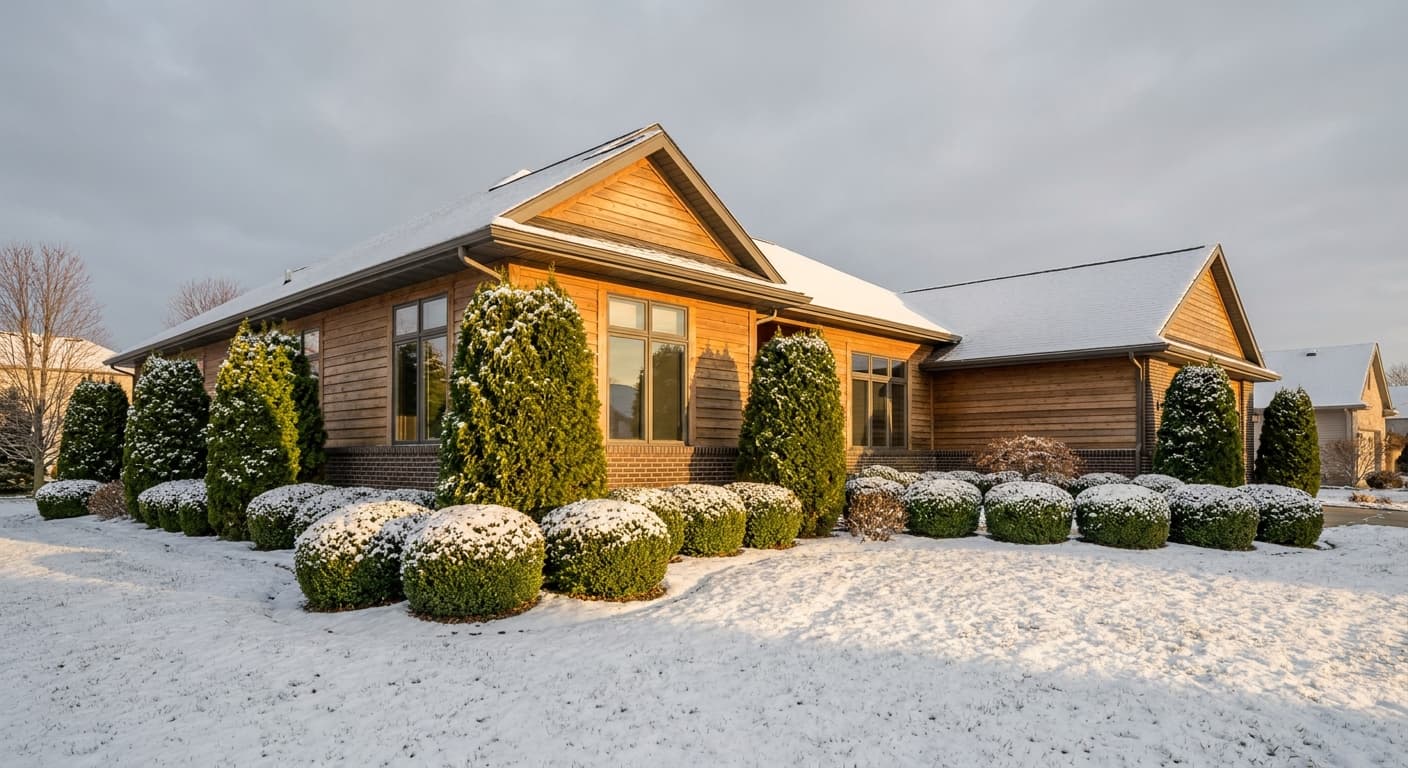
Finding the right evergreen bushes for your Fort Wayne landscaping can transform your outdoor space into a vibrant, year-round sanctuary. Evergreens retain their foliage through winter, providing structure, privacy, and visual interest when deciduous plants go dormant. In Northeast Indiana's USDA Zone 5b climate, selecting hardy varieties that withstand our cold winters and clay-heavy soil is essential for long-term landscape success.
Why Should You Choose Evergreen Bushes for Your Fort Wayne Landscape?
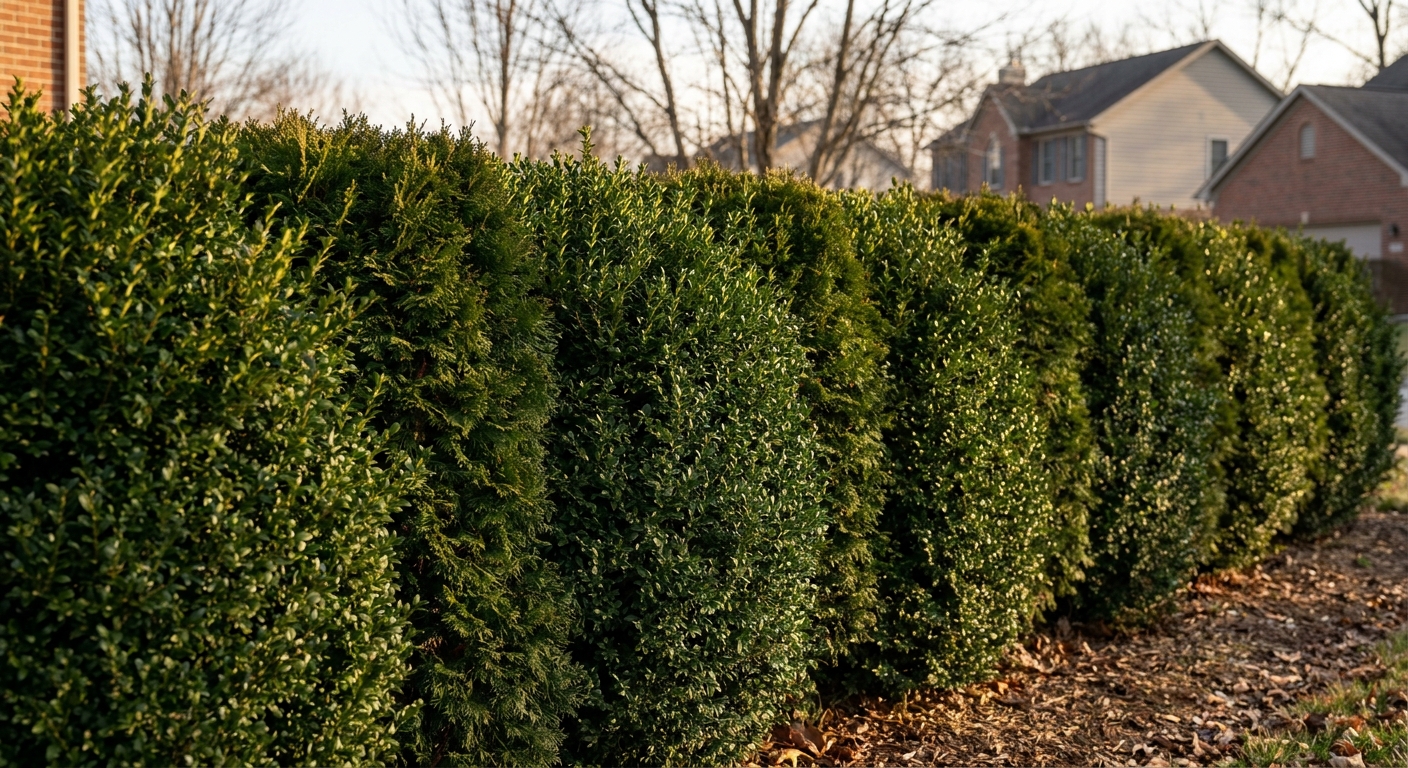
Evergreen bushes offer distinct advantages over deciduous plants, especially in our region. They provide year-round visual appeal, maintain privacy during winter months when neighbors' properties become exposed, and require less seasonal maintenance than plants that shed their leaves. In Fort Wayne, evergreens also create windbreaks that protect other plantings and reduce heating costs by blocking cold winter winds. Their consistent structure allows you to plan landscape designs with confidence—what you see in summer is what you'll have in January.
- Continuous color and texture throughout all seasons
- Enhanced privacy during winter months
- Reduced seasonal cleanup compared to deciduous plants
- Natural windbreak protection in Northeast Indiana
- Stronger visual framework for landscape design
What Are the Top Evergreen Bushes for Northeast Indiana?
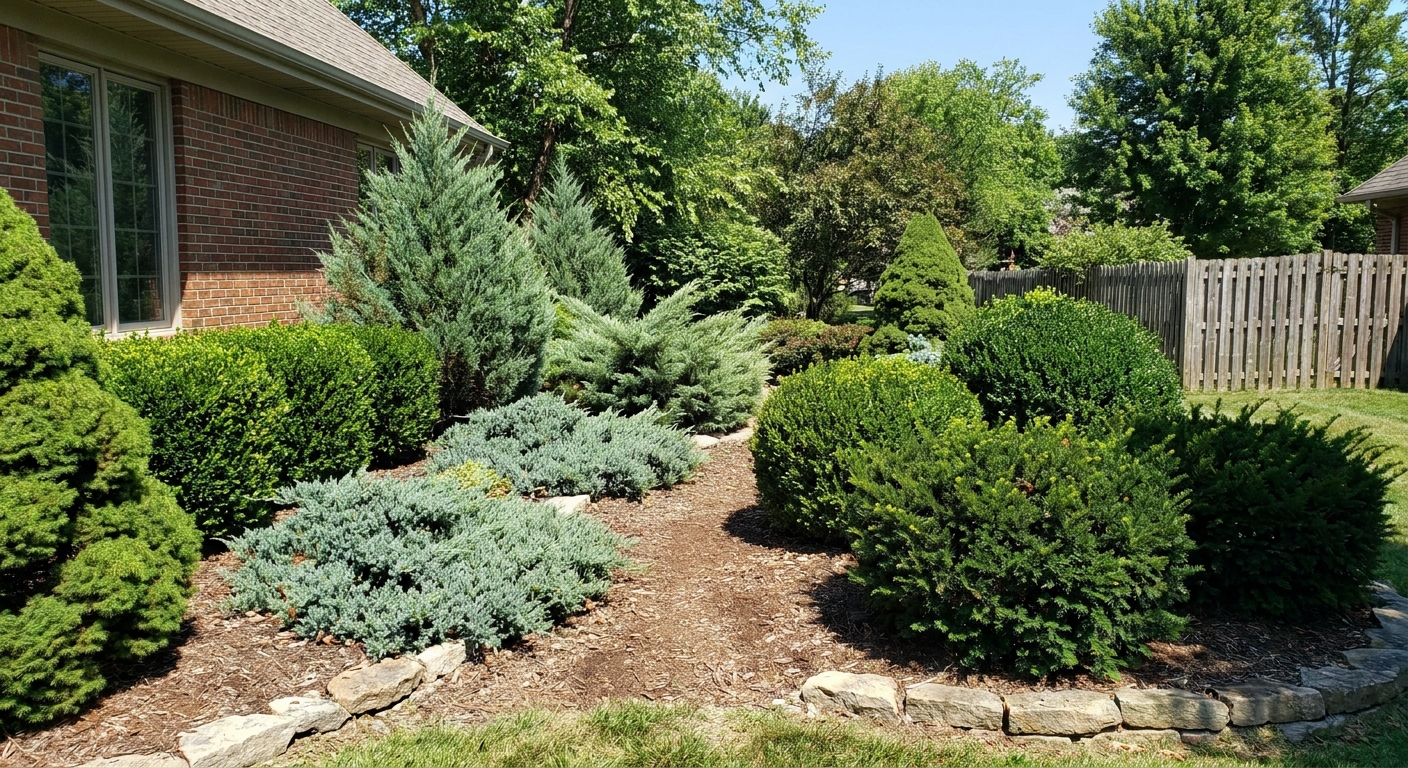
Several evergreen varieties thrive specifically in Fort Wayne's climate. Boxwoods, arborvitaes, junipers, and yews are proven performers in Zone 5b. Each offers unique characteristics, heights, and growing requirements. The best choice depends on your site conditions—sun exposure, soil moisture, and desired size. Our team at Minnick Lawn & Landscaping frequently recommends these varieties because they survive our winters reliably and maintain attractive appearance with minimal intervention.
Boxwoods: Classic Elegance
Boxwoods are the gold standard for formal landscaping throughout Fort Wayne. With fine, dense foliage and compact growth habits, they're perfect for hedges, foundation plantings, and ornamental accents. Green Velvet, Winter Gem, and American varieties perform exceptionally well in Northeast Indiana. They prefer well-draining soil and partial shade in summer, though established plants tolerate full sun. Mature height ranges from 3-8 feet depending on variety.
Arborvitaes: Privacy Masters
Emerald Green arborvitaes are the preferred choice for privacy screening in Fort Wayne landscaping. These narrow, columnar evergreens grow 40-60 feet tall but only 3-4 feet wide, making them ideal for tight spaces. They grow relatively quickly and create dense screening that blocks wind and sight lines. Plant them 3-4 feet apart for full privacy coverage. They tolerate both wet and dry soils, adapting well to Northeast Indiana's variable moisture conditions.
Junipers: Drought-Tolerant Options
Junipers offer incredible variety in color, texture, and form. Sky Pencil junipers grow tall and narrow like arborvitaes, while Skyrocket, Wichita Blue, and Parson's varieties provide spreading, mounding forms. Most junipers tolerate poor, dry soils and full sun exposure—valuable traits for difficult Fort Wayne landscape sites. Foliage ranges from blue-gray to deep green. They require minimal pruning and rarely face disease issues in our region.
Yews: Shade Specialists
If you need evergreen bushes for shaded areas in your Fort Wayne property, yews excel where other evergreens struggle. Capitata and Densiformis varieties thrive under tree canopy or on north-facing foundations. They grow slowly and compactly, reaching 4-6 feet tall at maturity. Yews prefer moist, well-draining soil and benefit from mulch to retain moisture. Caution: all parts of yew plants are toxic, so avoid them if children or pets frequent the area.
How Should You Plant Evergreens in Fort Wayne's Clay Soil?
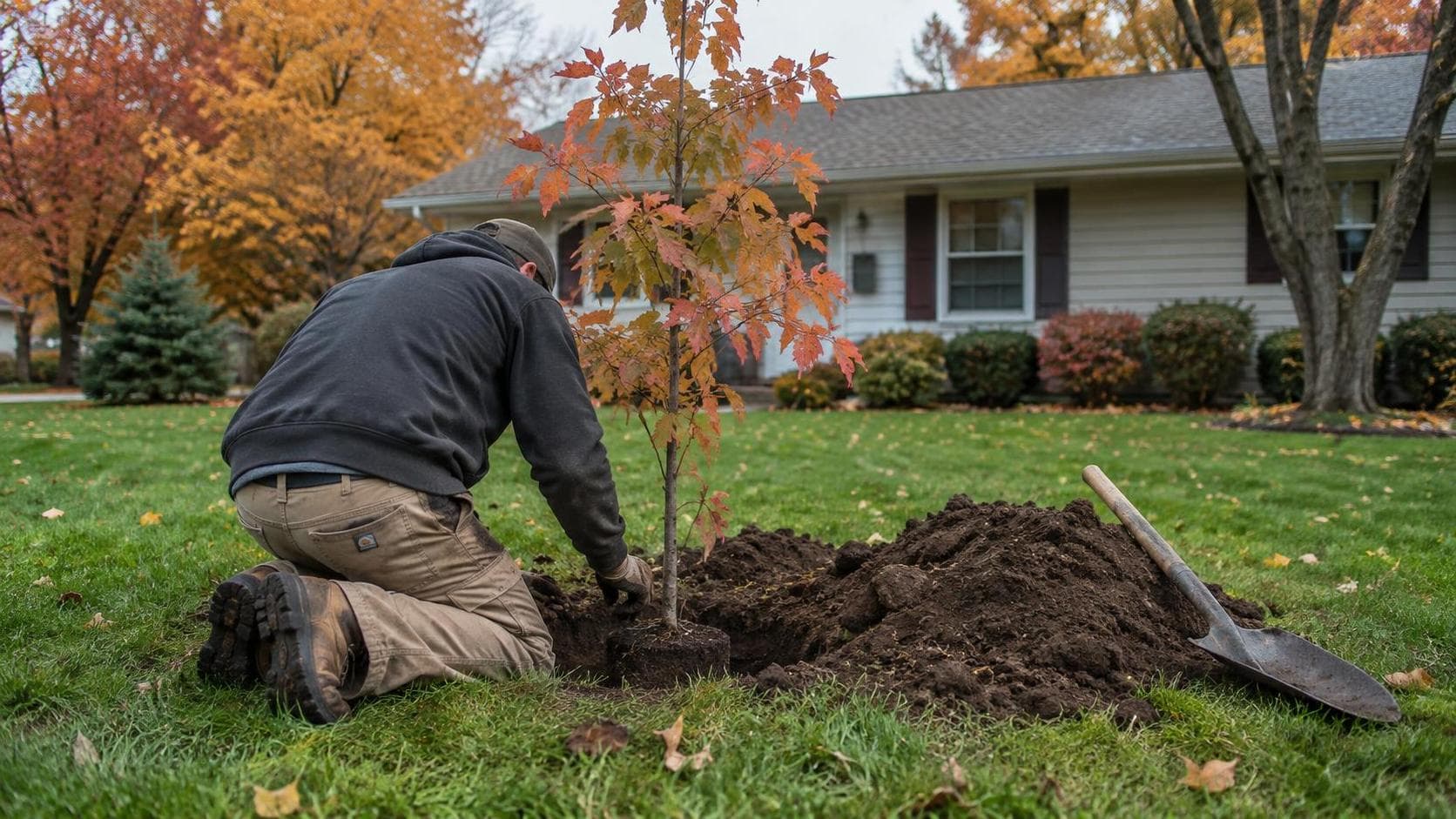
Northeast Indiana's heavy clay soil presents challenges for evergreen establishment. Proper planting technique dramatically improves survival rates and long-term vigor. Begin by amending your planting hole with quality topsoil and compost—aim for a 50/50 blend of native soil and amendments. Dig the hole twice as wide as the root ball but no deeper; planting too deep causes root rot. Water thoroughly after planting and apply 2-3 inches of mulch around the base, keeping it 6 inches away from the trunk to prevent disease.
- Dig a hole 2-3 times wider than the root ball, matching its depth
- Mix native Fort Wayne clay soil with 50% quality compost and topsoil
- Place the evergreen in the hole, ensuring the top of the root ball is level with ground
- Backfill with amended soil mixture and water thoroughly
- Apply 2-3 inches of mulch, keeping it away from the trunk
- Water deeply twice weekly for the first month, then weekly for the first growing season
Proper planting in Northeast Indiana's clay soil is the single most important factor in evergreen success. Take time to amend your soil and water consistently during establishment—it pays dividends for 20+ years of landscape enjoyment.
Which Evergreen Sizes Work Best in Your Fort Wayne Landscape?
Evergreens come in various sizes at nursery purchase, affecting both immediate visual impact and long-term growth management. Small shrubs (2-3 feet) are affordable and establish quickly but require patience. Medium shrubs (4-6 feet) provide immediate structure and visual appeal. Large specimens (7+ feet) create instant maturity but cost more and establish slower. For most Fort Wayne homeowners, medium-sized evergreens offer the best balance. Consider mature size when selecting—a 40-foot arborvitae shouldn't be planted 15 feet from your home.
What Maintenance Do Evergreen Bushes Need in Northeast Indiana?
One major advantage of evergreens is their low-maintenance nature compared to deciduous plants. Once established, most require minimal pruning—just remove dead branches and shape lightly if desired. In Fort Wayne's Zone 5b climate, avoid heavy pruning in late summer, which can stimulate tender new growth that winter kills. Water during dry spells, particularly the first two years. Most evergreens don't need fertilizer if planted in decent soil, though a light spring application can enhance growth. Winter damage from heavy snow sometimes breaks branches; carefully remove debris and the plant recovers naturally.
- Prune only in spring or early summer, avoiding late-season growth
- Water during establishment (first 2 years) and during dry spells
- Apply a balanced fertilizer once in spring if growth seems slow
- Remove snow-damaged branches in spring
- Mulch annually to retain moisture and regulate soil temperature
Ready to add beautiful evergreen bushes to your Fort Wayne landscape? Our team at Minnick Lawn & Landscaping specializes in selecting, planting, and caring for landscape plants that thrive in Northeast Indiana's climate. We understand the unique challenges of Fort Wayne's soil and weather, and we'll recommend the perfect evergreens for your specific site conditions. Request a free quote today and let's discuss how evergreens can enhance your property's beauty year-round. You can also explore our full landscaping services to see how we can transform your outdoor space, or contact us with any questions about specific evergreen varieties.