Blue spruce trees are iconic evergreens that add year-round structure and striking color to Fort Wayne landscaping. With their silvery-blue needles and conical shape, they're a popular choice for homeowners seeking visual impact. However, not all blue spruce varieties perform equally well in Northeast Indiana's climate. Understanding which types thrive in our USDA Zone 5b conditions helps you make the right choice for your landscape.
What Makes Blue Spruce Popular in Fort Wayne Yards?
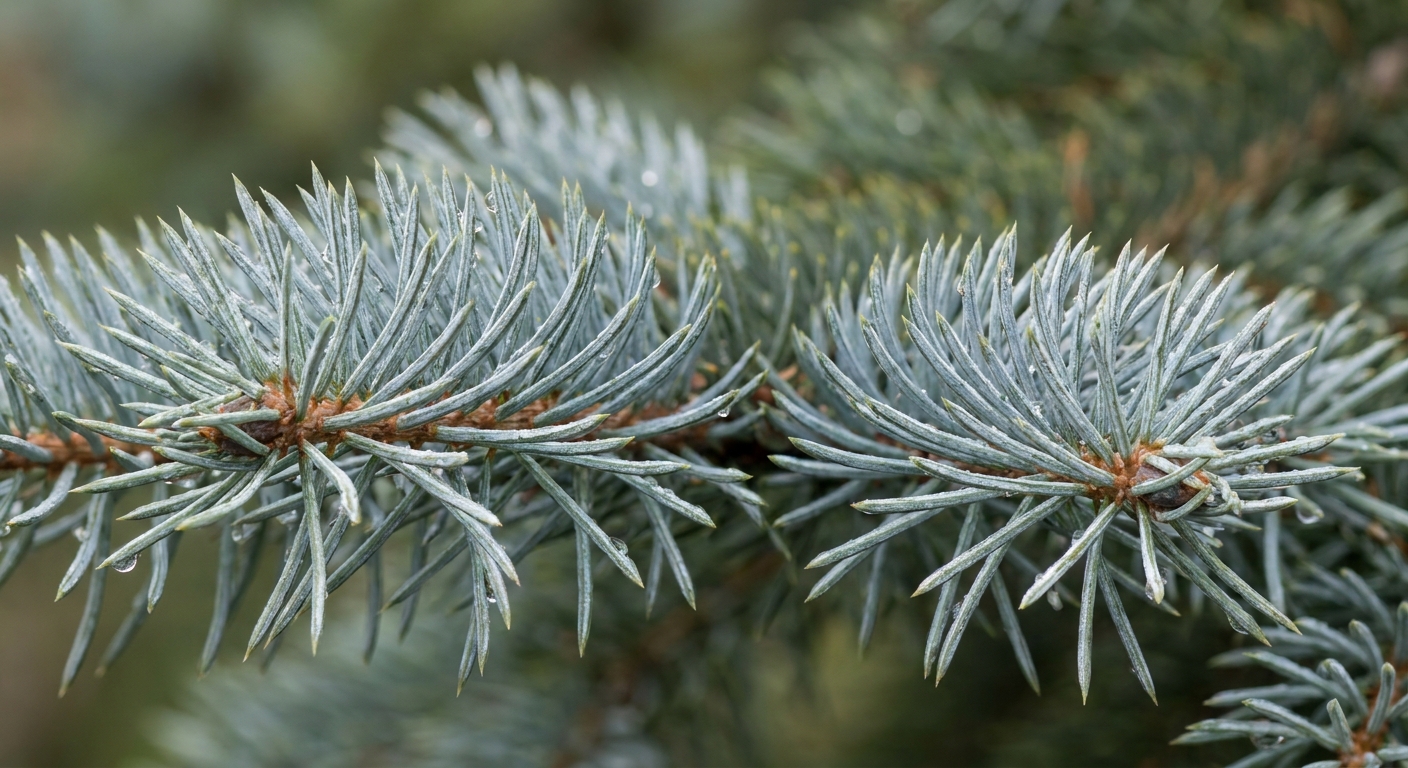
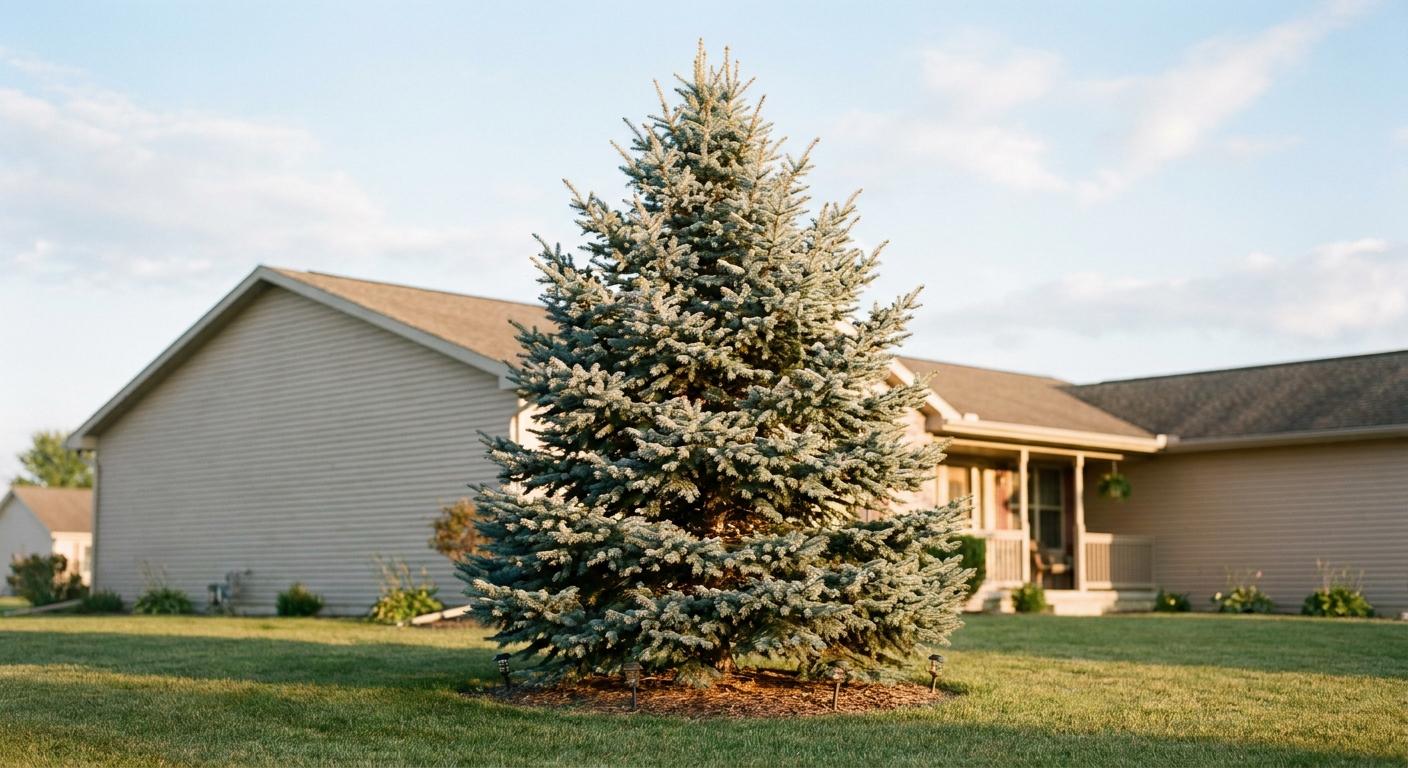
Blue spruce trees are prized for their distinctive steel-blue foliage, symmetrical pyramidal form, and year-round visual appeal. In Fort Wayne and Northeast Indiana, these evergreens serve multiple landscape functions—from privacy screens to focal point specimens. They're hardy, relatively low-maintenance once established, and add substantial value to residential properties.
The blue coloring comes from a natural waxy coating on the needles that reflects light, creating that signature silvery appearance. This isn't just beautiful; it also provides natural protection against harsh winters and dry conditions. Fort Wayne's clay-heavy soil and temperature swings between seasons make hardy spruce varieties essential for long-term landscape success.
Which Blue Spruce Varieties Thrive in Northeast Indiana?
The Colorado blue spruce (Picea pungens) is the gold standard for Fort Wayne landscaping, with several cultivars proven to perform exceptionally in our region. The most reliable varieties include 'Hoopsii', 'Fat Albert', 'Moonglow', and 'Iseli Fastigiate'. Each offers different growth patterns and color intensity while maintaining cold hardiness essential for Zone 5b winters.
- 'Hoopsii': Widely considered the brightest blue, reaching 50 feet tall with excellent winter hardiness perfect for Fort Wayne's climate
- 'Fat Albert': Compact cultivar growing 20-30 feet, dense branching structure, vibrant blue color year-round
- 'Moonglow': Silvery-blue needles that intensify in cold weather, naturally resistant to common Northeast Indiana pests
- 'Iseli Fastigiate': Narrow columnar form, ideal for smaller Fort Wayne yards, excellent blue coloration
- 'Blue Diamond': Extremely hardy dwarf variety, perfect for foundation plantings in Northeast Indiana landscapes
Each variety has been tested in conditions similar to Fort Wayne and Auburn weather patterns. When selecting landscaping plants for your property, consider your available space and long-term growth expectations.
How Do Blue Spruce Trees Handle Fort Wayne's Climate?
Blue spruce naturally originates from high-altitude Rocky Mountain regions, which makes them surprisingly well-suited to Fort Wayne's challenging conditions. They prefer full sun, excellent drainage, and cooler temperatures—characteristics they share with Northeast Indiana's seasonal patterns.
Winter Hardiness
Colorado blue spruce varieties are hardy to USDA Zone 3, meaning Fort Wayne's Zone 5b winters pose no survival threat. However, the key to success involves proper establishment. Young trees need adequate water through their first growing season to develop deep root systems before winter stress arrives.
Soil Adaptability
While blue spruce prefer slightly acidic soil with good drainage, they adapt reasonably well to Northeast Indiana's clay-heavy soils. The critical factor is avoiding waterlogged conditions that promote root rot. If your Fort Wayne property has heavy clay or poor drainage, amending planting holes with compost and ensuring proper grading prevents moisture accumulation.
Summer Stress Tolerance
Fort Wayne summers can be hot and humid—conditions that stress blue spruce if they're underwatered. Consistent moisture during establishment and dry spells helps prevent needle browning and disease susceptibility.
Blue spruce trees are remarkably hardy for Northeast Indiana landscapes, but their success depends entirely on proper planting, drainage, and establishment care. Choose sun-exposed locations with well-draining soil for best results in Fort Wayne and surrounding areas.
What Are the Size and Growth Considerations for Your Landscape?
Blue spruce sizes vary dramatically depending on cultivar selection. Full-size varieties reach 40-60 feet tall with 20-30 foot spreads, while dwarf cultivars stay under 10 feet. For Fort Wayne homeowners, matching cultivar size to your available space prevents future problems and maintenance headaches.
Consider these growth patterns when planning your landscaping design:
- Mature height and width: Research expected dimensions at maturity—not their nursery size
- Distance from structures: Plant full-size varieties at least 20-25 feet from houses and utility lines
- Foundation plantings: Choose dwarf or compact cultivars for beds near home foundations in Fort Wayne
- Screening needs: Taller varieties like 'Hoopsii' work better for privacy screens along property lines
- Visual proportion: A 60-foot spruce overwhelms a typical Fort Wayne residential lot; consider compact alternatives
Many Fort Wayne homeowners underestimate mature spruce sizes and plant them too close to buildings or power lines. Professional landscape design considerations prevent costly relocations or future tree removal needs.
How Should You Plant and Care for Blue Spruce in Fort Wayne?
Proper planting establishes the foundation for 30+ years of healthy growth. Blue spruce success in Northeast Indiana depends on site selection, soil preparation, planting technique, and early establishment care.
Site Selection
Choose locations receiving minimum 6 hours daily full sun. Afternoon shade in Fort Wayne's hottest months helps slightly but shouldn't be primary site factor. Avoid low-lying areas where water collects—blue spruce despise waterlogged conditions.
Soil Preparation
Amend clay-heavy Northeast Indiana soil with 3-4 inches of quality compost mixed into the planting hole and surrounding area. This improves drainage while adding slow-release nutrients. In Fort Wayne's alkaline clay soils, incorporate sulfur if soil pH exceeds 7.0, as blue spruce prefer slightly acidic conditions.
Planting Technique
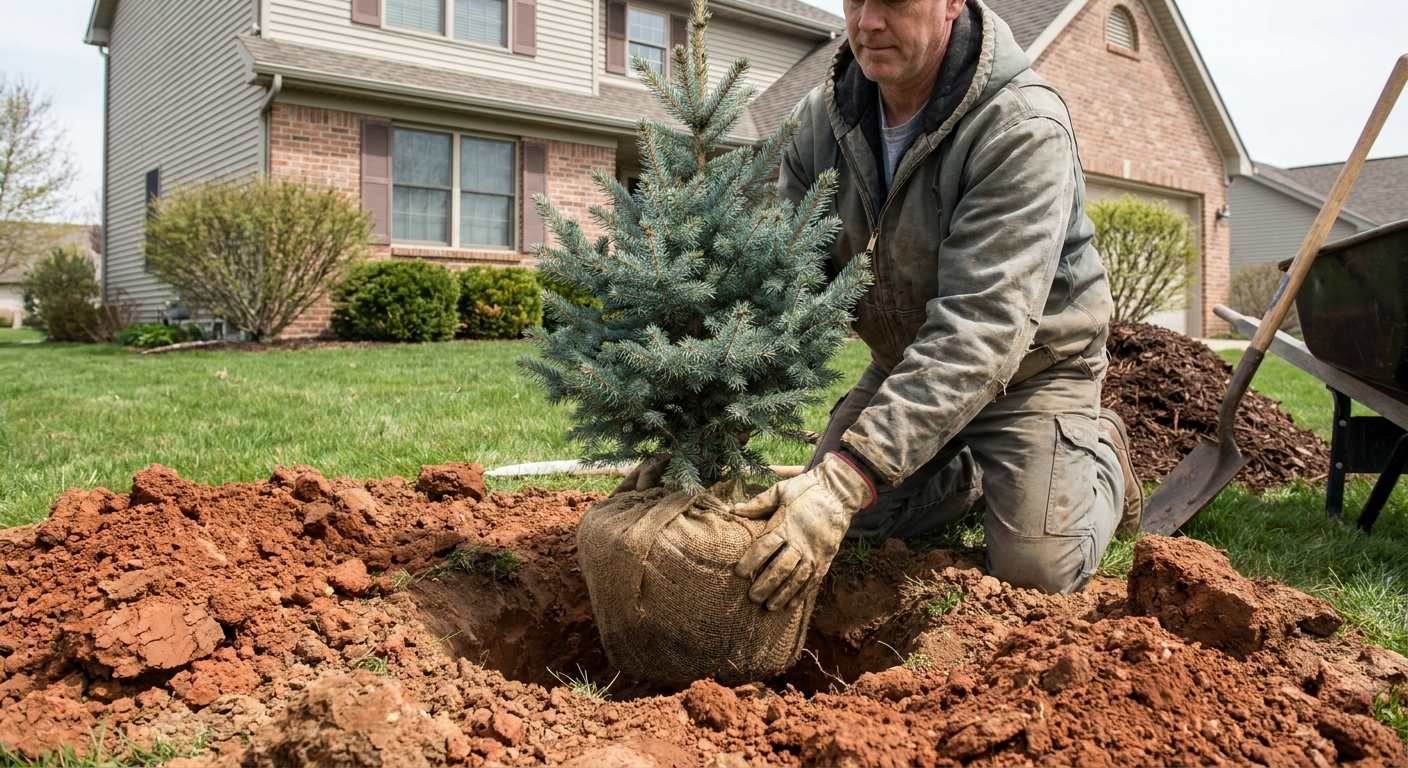
Plant container-grown spruce in early spring or fall when temperatures moderate. Dig planting holes slightly shallower than root ball depth—blue spruce planted too deeply suffer root collar rot. Water thoroughly after planting and maintain consistent moisture through the first growing season.
Ongoing Care
Once established, blue spruce require minimal care beyond occasional tree pruning to maintain shape. Water during extended dry periods, avoid heavy pruning during growing season, and monitor for spider mites in hot years—a common Northeast Indiana problem.
Should You Hire a Professional for Blue Spruce Installation?
Professional landscape installation ensures proper site preparation, correct planting depth, and species selection appropriate for your Fort Wayne property. Mistakes in planting or cultivar selection result in expensive problems years later.
Working with experienced Fort Wayne landscapers prevents common issues like purchasing wrong cultivars, improper drainage solutions, or inadequate mulching. Professionals understand Northeast Indiana's specific soil characteristics and climate challenges, maximizing your blue spruce investment.
Ready to add beautiful blue spruce to your Fort Wayne landscape? Request a free quote from Minnick Lawn & Landscaping. Our team specializes in selecting and installing the right trees for Northeast Indiana properties. We'll evaluate your site conditions, recommend cultivars suited to your space, and ensure professional planting for decades of landscape beauty.