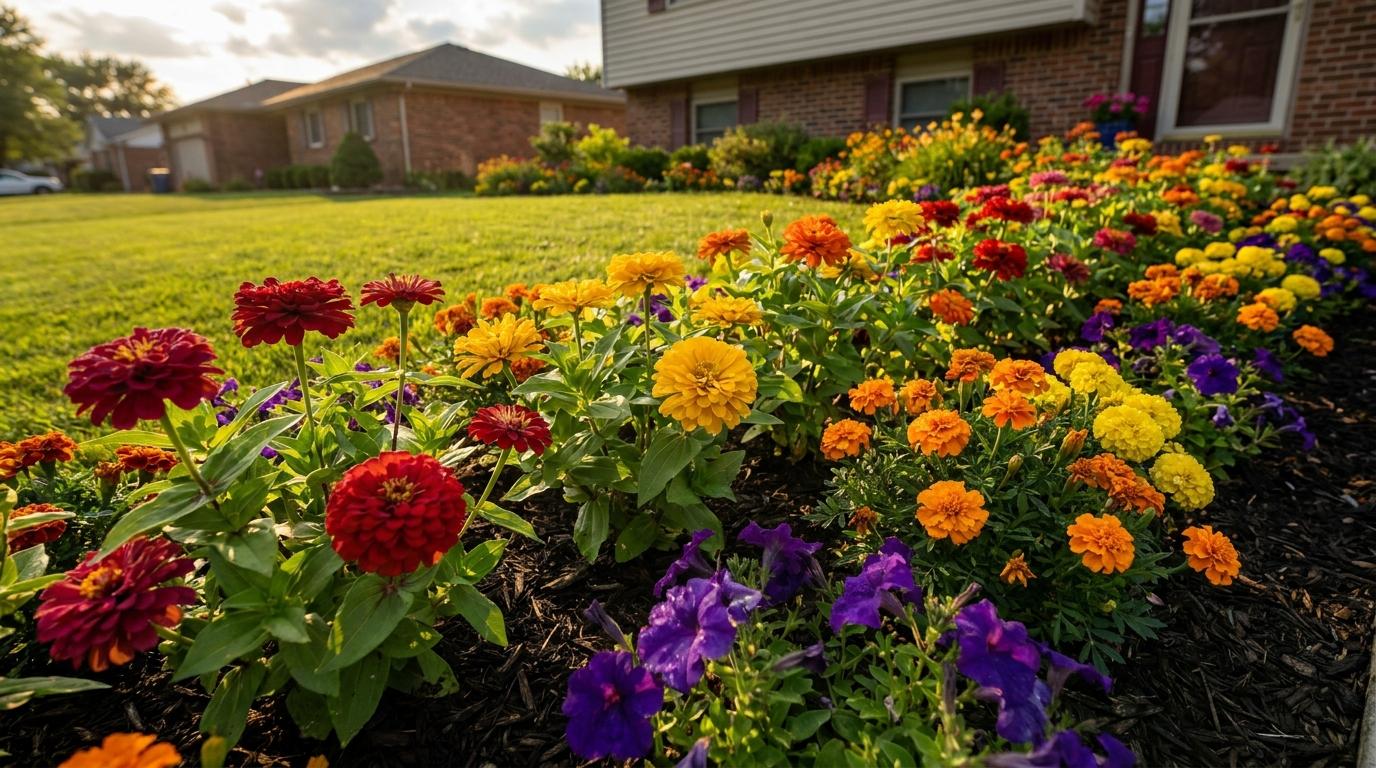
Planning a vibrant annual flower garden in Fort Wayne, Indiana requires understanding our Zone 5b climate and selecting heat-tolerant varieties that thrive in our summer conditions. The best annuals for Northeast Indiana gardens include marigolds, zinnias, impatiens, petunias, and begonias—all proven performers that deliver reliable color from late spring through fall frost. With proper soil preparation and timing, you'll create a stunning display that transforms your landscape.
What Annual Flowers Thrive Best in Fort Wayne's Climate?
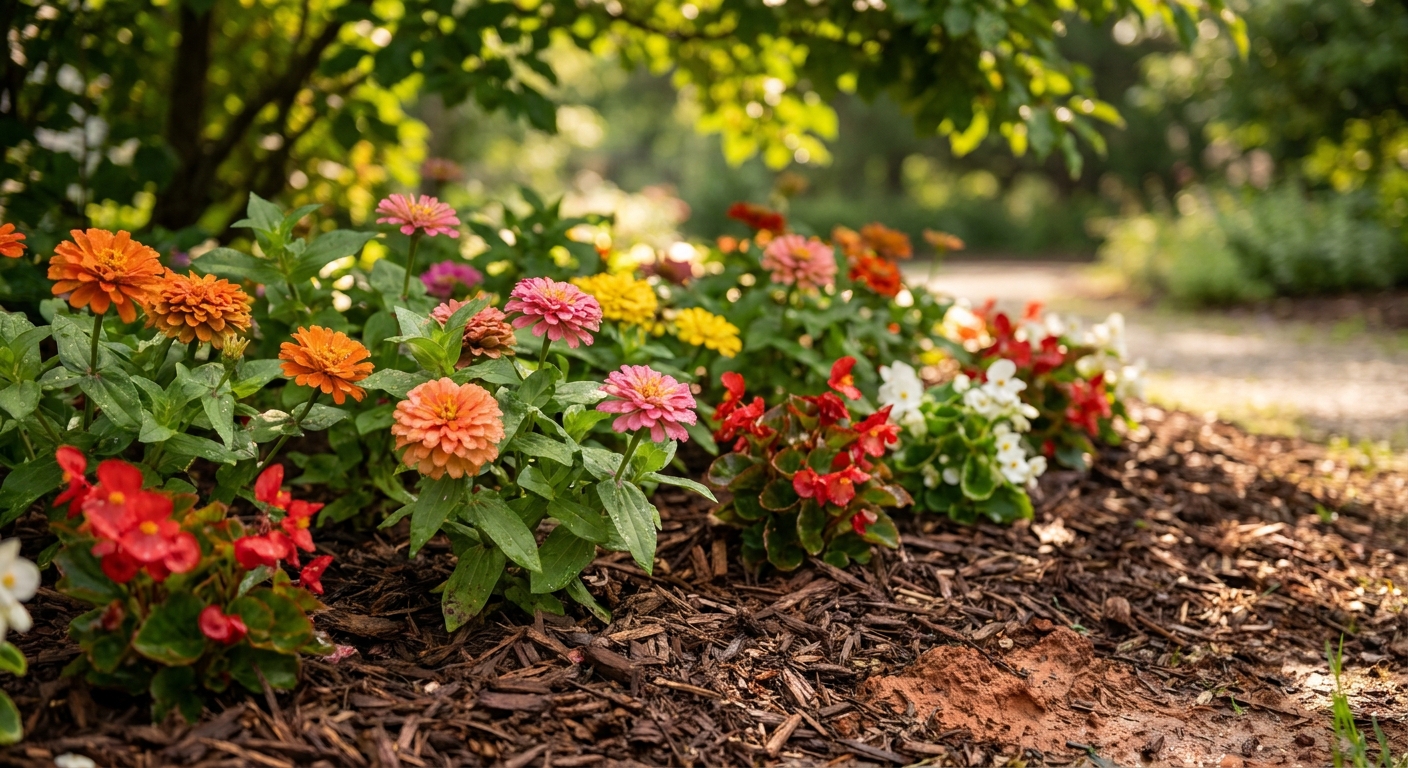
Fort Wayne's USDA Zone 5b comes with unique growing conditions: warm summers, moderate spring rainfall, and clay-heavy soil that requires amending. The best annuals are heat-tolerant varieties that can handle our unpredictable spring weather and occasional dry spells. Sun-loving plants like zinnias, marigolds, and dahlias flourish in Northeast Indiana, while shade-tolerant options like impatiens and begonias excel in morning-sun locations protected from afternoon heat.
Local soil in Fort Wayne tends toward clay, which means your annuals benefit from quality mulch and consistent watering. We recommend selecting a mix of tall, medium, and short varieties to create visual depth in your beds.
Which Sun-Loving Annuals Should You Plant in Fort Wayne?
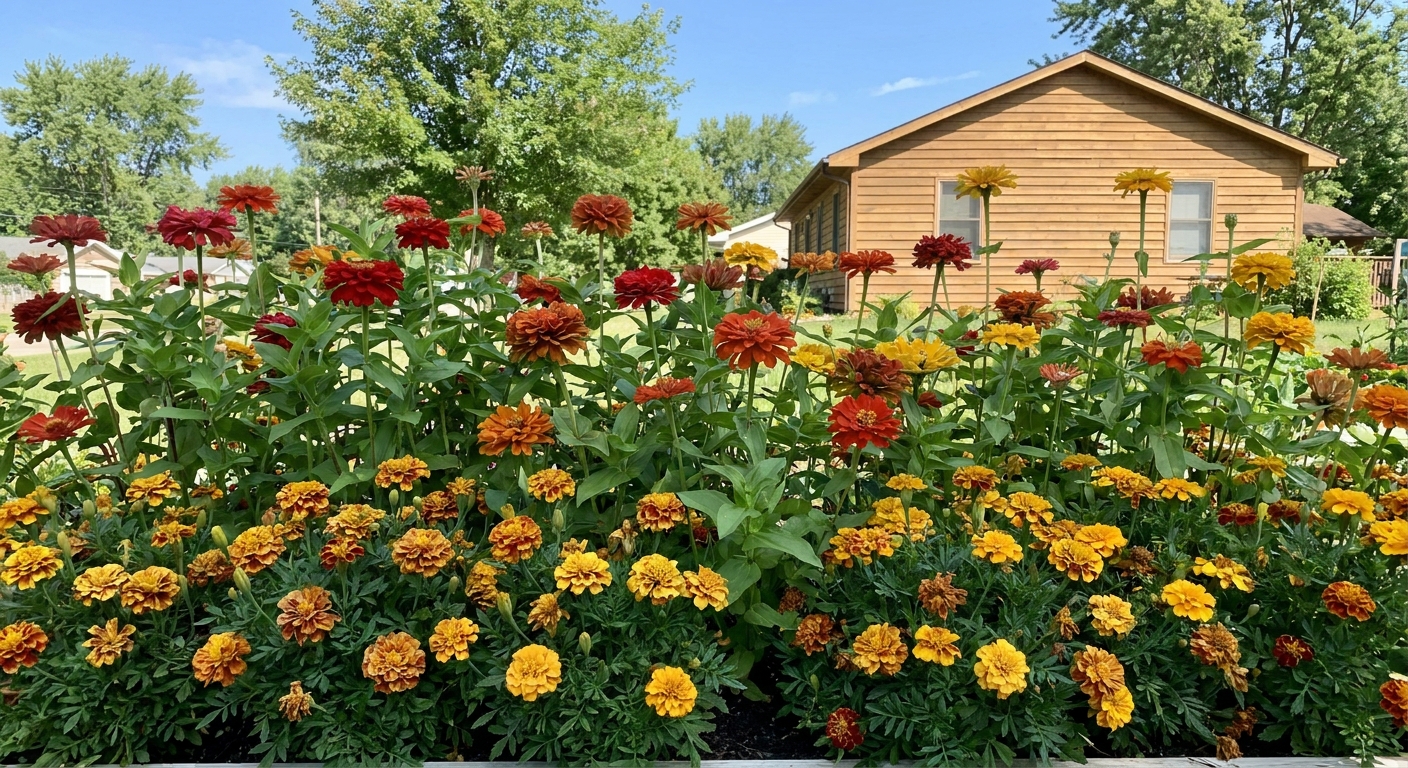
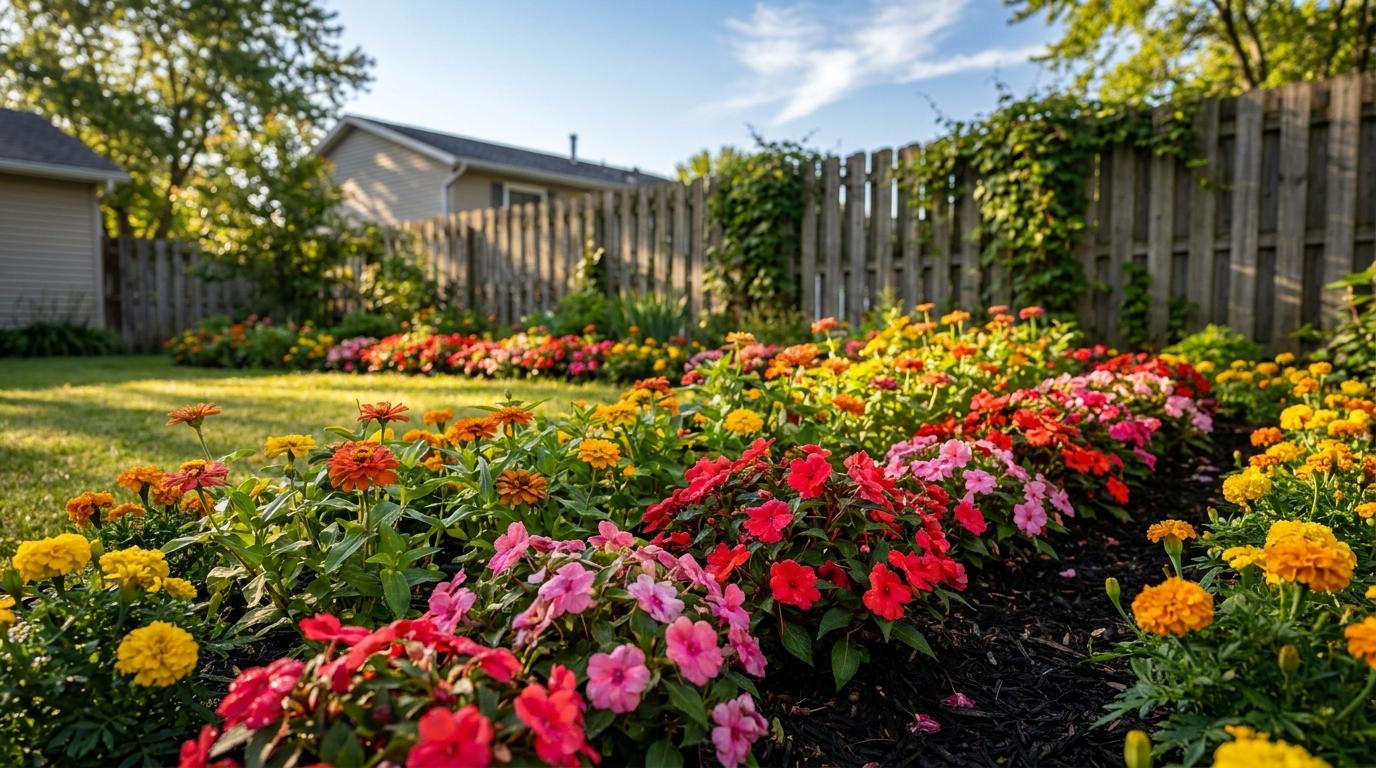
For full-sun garden beds across Fort Wayne, zinnias and marigolds are absolute champions. Zinnias produce vibrant blooms in nearly every color imaginable, reach heights from 12 inches to 3 feet depending on the variety, and actually improve with deadheading. Marigolds offer cheerful orange and yellow flowers, require minimal fussing, and naturally repel some garden pests. Both thrive in Fort Wayne's summer heat and tolerate the clay soil common throughout Northeast Indiana.
Other excellent sun-loving choices include:
- Petunias – Trailing varieties work beautifully in hanging baskets and containers; come in nearly every color
- Dahlias – Stunning cut flowers with dramatic blooms; love Fort Wayne's summers
- Cosmos – Delicate, airy flowers that self-seed; attract butterflies and pollinators
- Sunflowers – Classic summer blooms available in dwarf and giant varieties
- Celosia – Unique velvety flower heads in reds, pinks, and purples; exceptionally heat-tolerant
Plant these in locations receiving 6+ hours of direct daily sunlight for best results. The warmer microclimates on the south and west sides of buildings in Fort Wayne create ideal conditions for heat-loving annuals.
What About Shade-Tolerant Annuals for Fort Wayne Gardens?
Northeast Indiana doesn't lack shady spots, especially near mature trees and the north sides of homes. Impatiens and begonias are the workhorses of Fort Wayne shade gardens, producing reliable color in locations receiving just 2-4 hours of sunlight. Both prefer consistent moisture and appreciate the filtered shade during our hot July and August afternoons.
Additional shade performers include:
- Hostas – While primarily foliage plants, certain varieties produce attractive flowers; unmatched for texture
- Caladiums – Stunning colorful foliage in whites, pinks, and reds; tropical-looking additions to shaded beds
- Coleus – Exceptional foliage colors and patterns; thrives in partial shade across Fort Wayne
- Browallia – Delicate blue or purple flowers; charming in shade containers
- Torenia – Orchid-like flowers in purple, pink, and white; prefers afternoon shade
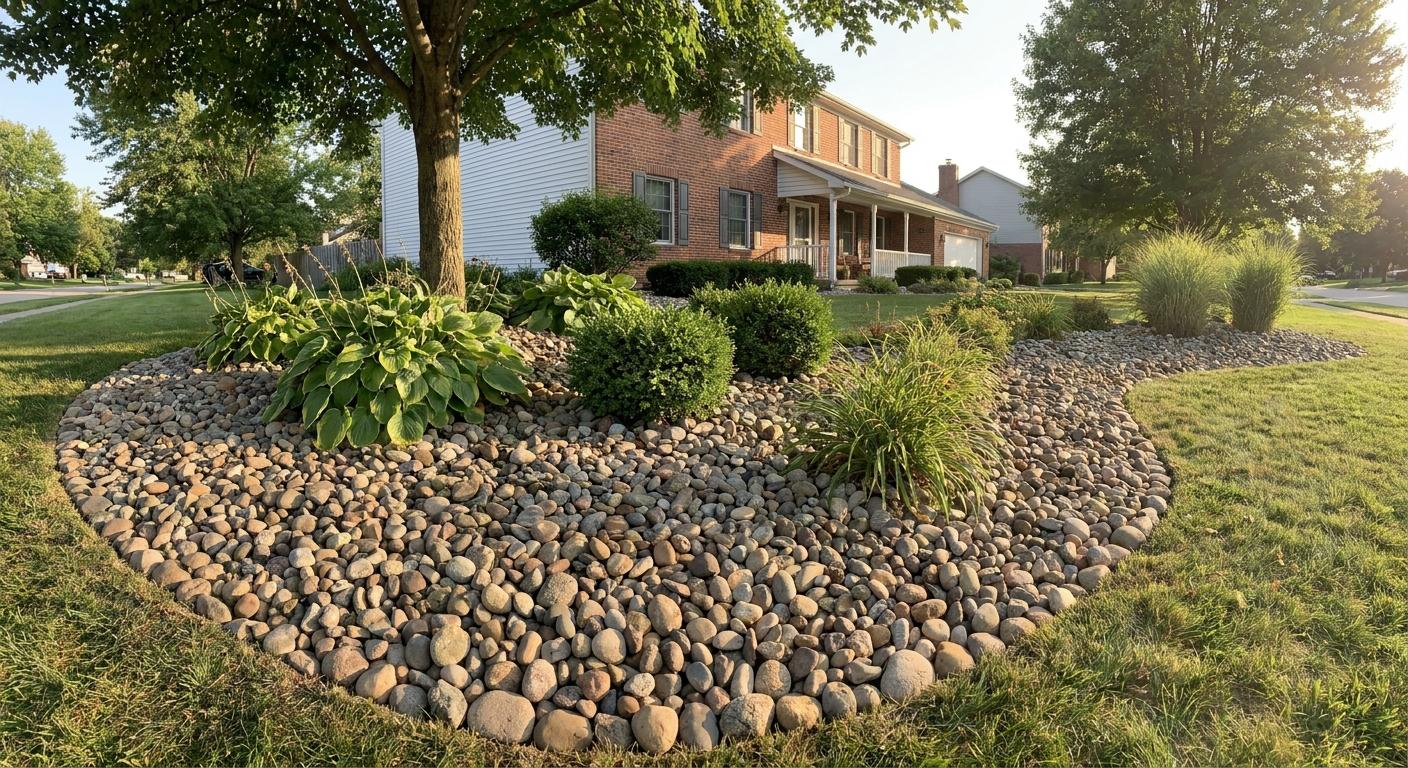
Shade gardens in Fort Wayne benefit from slightly richer soil and consistent watering since these plants don't dry out as quickly in direct sun. Consider adding quality mulch delivery and installation to shade beds to retain moisture and regulate soil temperature.
When Should You Plant Annuals in Fort Wayne, Indiana?
Timing is critical for annual success in Northeast Indiana. Fort Wayne's last frost date typically falls around May 10-15, which marks the safe window for transplanting tender annuals outdoors. Starting seeds indoors 6-8 weeks earlier (late March through early April) gives you a head start. Cool-season annuals like alyssum and snapdragons can go in the ground 2-3 weeks before the frost date.
For maximum color impact in Fort Wayne:
- Late April–early May: Plant cool-tolerant annuals; prepare beds with compost
- Mid-May onward: Wait for soil to warm before transplanting warm-season annuals like zinnias and marigolds
- June: Plant heat-loving varieties for sustained summer blooms
- August: Deadhead consistently and add slow-release fertilizer for fall color extension
Fort Wayne's clay-heavy soil benefits enormously from 2-3 inches of quality mulch and regular amending with compost. This simple step dramatically improves annual flower performance and reduces watering frequency during our sometimes-dry Northeast Indiana summers.
How Do You Prepare Fort Wayne Soil for Annuals?
Northeast Indiana's clay soil requires specific preparation to help annuals thrive. Before planting, amend your beds with 2-3 inches of quality compost worked into the top 8-10 inches of existing soil. This improves drainage while adding nutrients that clay lacks. If your Fort Wayne property has particularly compacted soil, consider professional landscaping design and bed preparation to maximize plant health.
Essential soil preparation steps include:
- Remove existing weeds and grass from planting beds
- Test soil pH (Northeast Indiana soils often run slightly acidic)
- Add 2-3 inches of high-quality compost
- Incorporate organic matter 8-10 inches deep
- Apply 2-3 inches of mulch after planting (keep 2 inches away from plant stems)
- Water thoroughly immediately after planting
Fort Wayne's variable spring weather means waiting until soil temperature reaches 60°F before planting heat-loving annuals. Planting too early into cold, wet soil leads to rot and poor establishment. Patient Fort Wayne gardeners who wait until mid-May enjoy much higher success rates.
What Annual Combinations Create Visual Impact in Fort Wayne?
The most stunning Fort Wayne annual gardens combine height, color, and texture in intentional arrangements. Tall zinnias or dahlias create garden structure, medium-height petunias and marigolds provide the main color mass, and shorter alyssum or dusty miller add foreground texture. This layered approach, whether in raised beds or traditional in-ground plantings, creates professional-looking gardens throughout Northeast Indiana.
Consider these proven Fort Wayne annual combinations:
- Classic Summer: Pink zinnias + white petunias + purple calibrachoa
- Warm Tones: Red dahlias + orange marigolds + golden dusty miller
- Cool Palette: Blue salvias + white impatiens + pink begonias (shade garden)
- Dramatic Impact: Purple celosia + red alternanthera + silvery dusty miller
A professional landscape design from Minnick Lawn & Landscaping can create custom annual bed plans tailored to your Fort Wayne home's specific light conditions, soil characteristics, and aesthetic preferences. We'll handle everything from soil preparation through installation, ensuring your annuals establish quickly and thrive all season.
Ready to transform your Fort Wayne property with vibrant annual gardens this season? The professional team at Minnick Lawn & Landscaping specializes in designing and installing custom annual gardens throughout Northeast Indiana. Request your free quote today and let's discuss which annuals will thrive in your Fort Wayne landscape. With our expertise in Zone 5b growing conditions and local soil challenges, we'll create a garden that delivers stunning color from spring planting through fall frost.