Frost seeding is a cost-effective way to fill bare patches and thin areas in your Fort Wayne lawn without waiting for spring. This technique takes advantage of Northeast Indiana's freeze-thaw cycles to improve seed-to-soil contact, giving your grass a better chance to establish before summer. If your yard shows winter damage or sparse coverage, frost seeding might be exactly what you need to achieve a thicker, healthier lawn.
What Exactly Is Frost Seeding and How Does It Work?
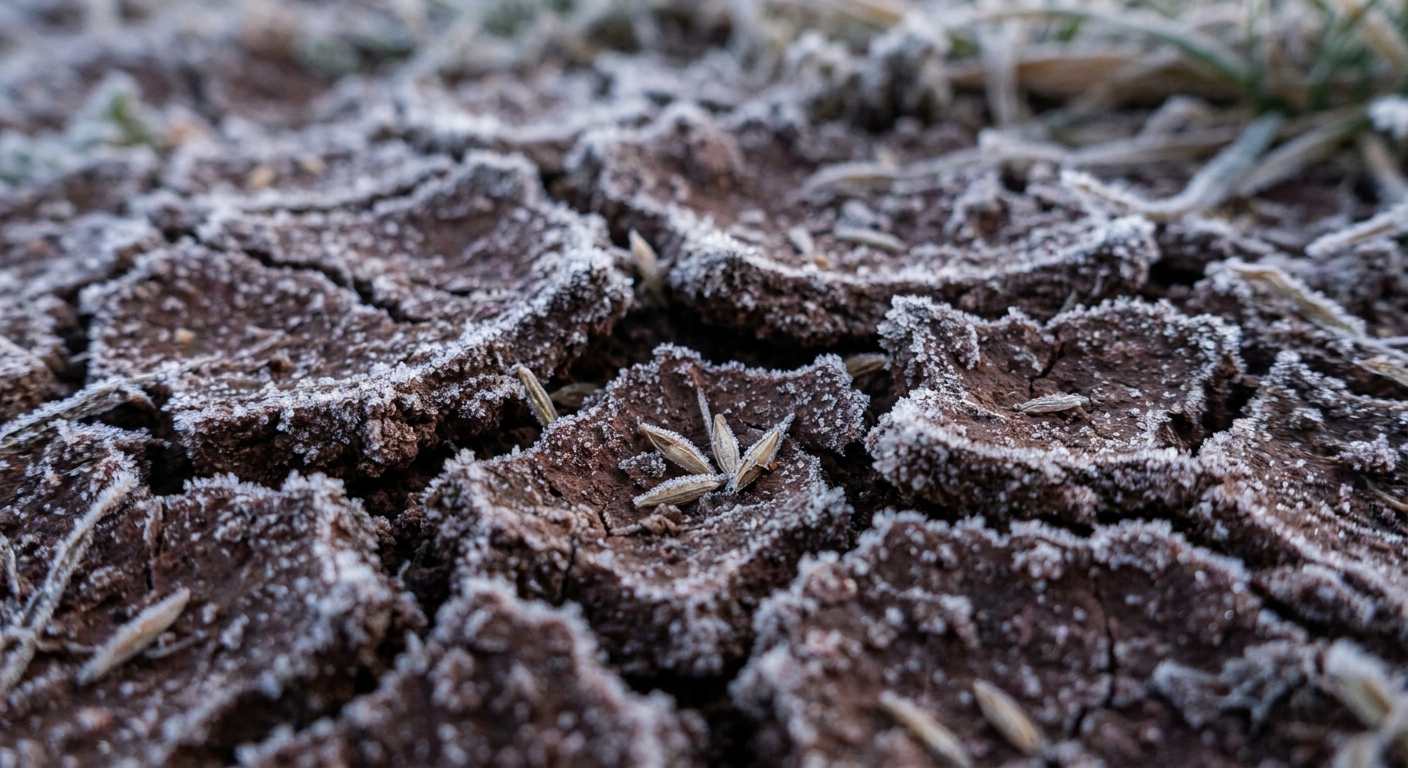
Frost seeding is the practice of spreading grass seed directly onto your existing lawn in late winter or early spring, typically between February and mid-April in Fort Wayne. Unlike traditional spring seeding, frost seeding relies on natural freeze-thaw cycles to work the seed into the soil. As soil freezes and thaws repeatedly, it expands and contracts, creating tiny cracks and gaps that pull seeds down into the dirt where they can germinate once temperatures warm.
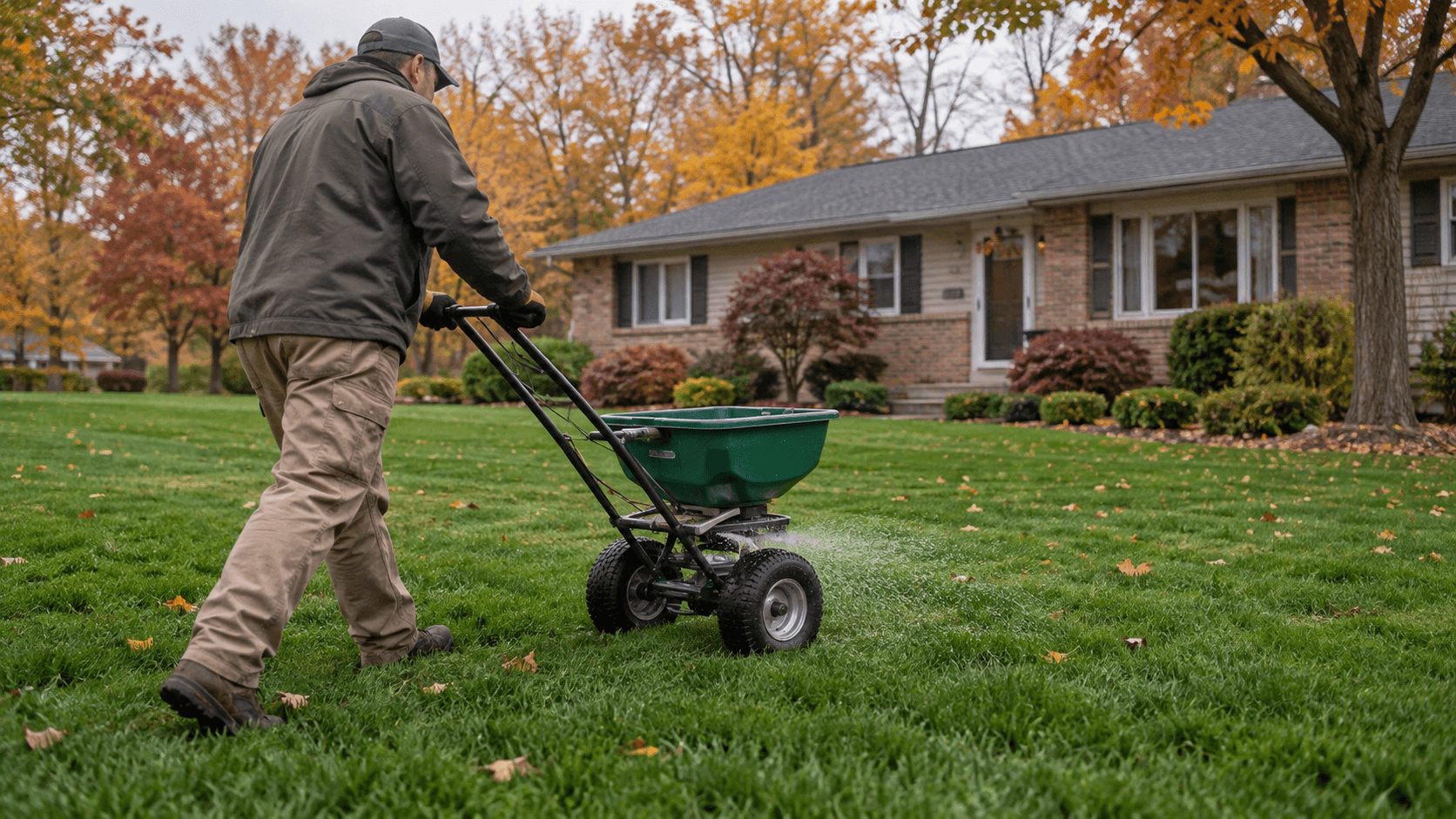
The process is straightforward: prepare your lawn by dethatching or lightly roughing up the soil surface, apply quality grass seed formulated for your lawn type, and let nature do the rest. No heavy raking or elaborate soil preparation is required. This simplicity is one reason Fort Wayne homeowners and property managers love frost seeding—it's faster and less labor-intensive than traditional overseeding methods.
Why Is Frost Seeding More Effective Than Fall or Late Spring Seeding?
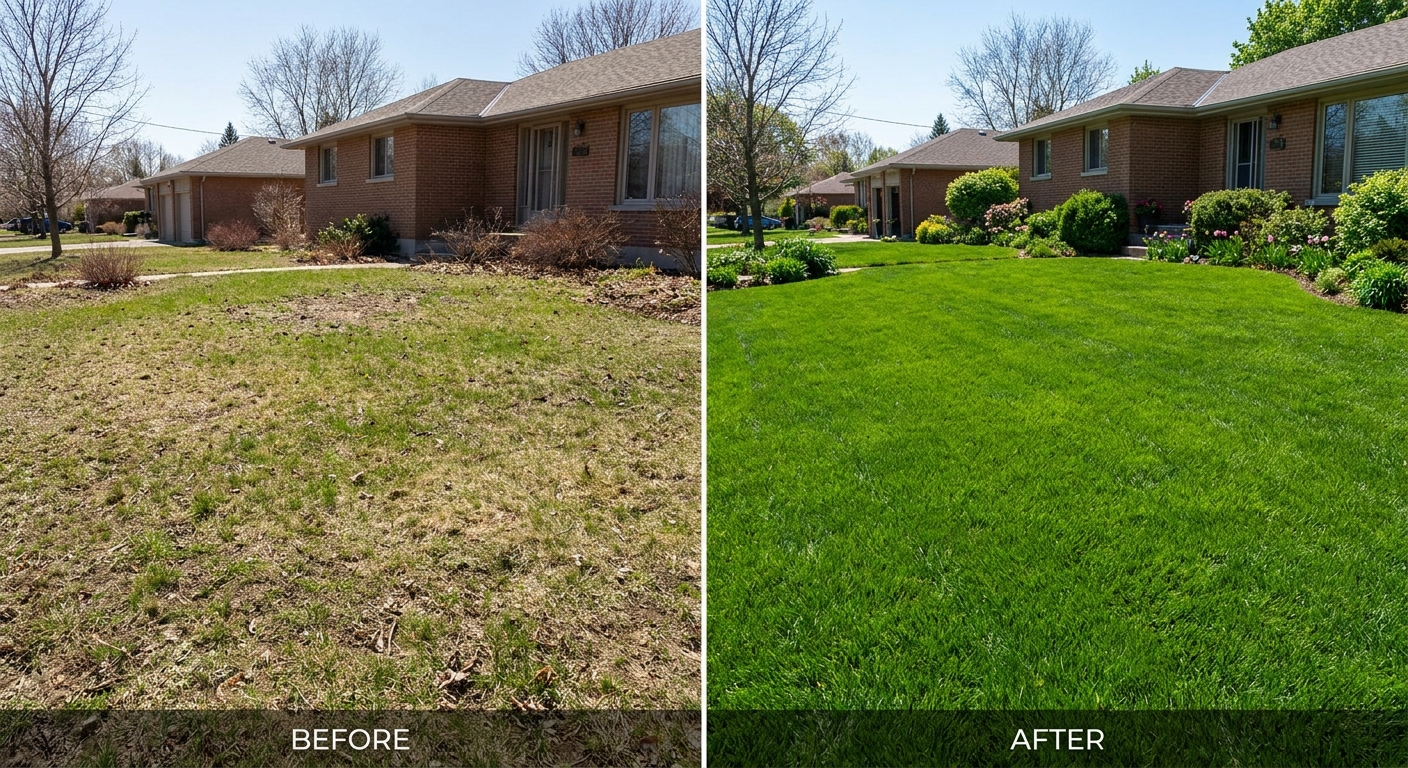
Frost seeding works exceptionally well in Northeast Indiana because our Zone 5b climate creates ideal conditions for seed establishment. The repeated freezing and thawing pushes seeds into direct contact with soil moisture, which is essential for germination. Unlike fall seeding, where seeds may rot in cold, wet conditions, frost seeding seeds stay dormant until soil temperatures reach 40-50°F—perfect for sprouting without competing with established weeds.
- Better seed-to-soil contact: Freeze-thaw action naturally firms seeds into the earth
- Less weed competition: Cool-season grasses germinate before warm-season weeds wake up
- Abundant moisture: Winter and spring provide consistent water for germination and early growth
- Established root systems: New grass develops strong roots before summer heat stress arrives
- Lower failure rates: Seeds aren't exposed to dry conditions like in late spring seeding
What Are the Cost Savings of Frost Seeding?
Frost seeding costs significantly less than full lawn renovation or spring overseeding because you skip expensive soil preparation, aeration, and multiple passes with heavy equipment. For Fort Wayne homeowners dealing with winter damage, bare patches, or thin coverage, frost seeding delivers results at roughly half the cost of traditional spring seeding. You're paying only for seed and minimal labor—no excavation, no extensive raking, no multiple applications.
If you're comparing frost seeding to hiring a contractor for full spring renovation, expect to save 40-60% on labor costs alone. Many Fort Wayne residents also notice they can frost seed their own yards with basic equipment—a broadcast spreader and minimal effort. Even if you hire Minnick Lawn & Landscaping to handle it professionally, frost seeding remains one of the most budget-friendly ways to improve lawn density and address winter damage.
Frost seeding transforms bare patches and thin lawns without the expense or disruption of full renovation. It's the smart choice for Fort Wayne yards that need quick, affordable improvement.
Can Frost Seeding Fix Winter Damage and Bare Patches?
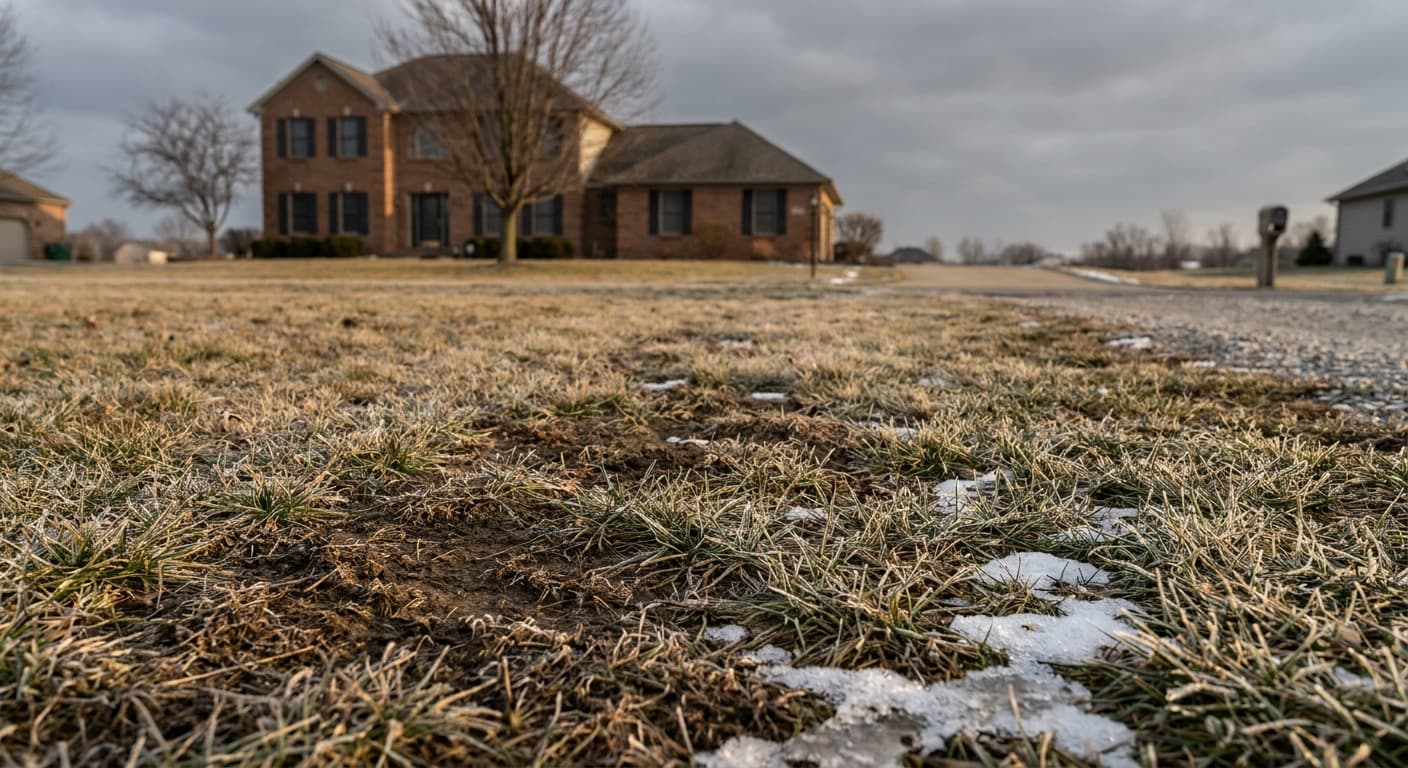
Absolutely. Winter weather in Northeast Indiana—heavy snow cover, freeze-thaw cycles, salt damage, and foot traffic—creates bare spots and thinned areas that frost seeding addresses perfectly. Grass that died back or was damaged by salt from driveways and sidewalks can be rejuvenated with frost seeding, filling in those problem areas before they become eyesores or allow weeds to take over.
Frost seeding is especially effective for:
- Compacted areas from heavy foot traffic during winter months
- Winter kill zones where grass simply couldn't survive the cold, especially in exposed areas
- Thin coverage from disease or pest damage that became visible as snow melted
- Shade stress areas where evergreens and buildings limited winter light exposure
Unlike waiting until May or June to address these issues, frost seeding in late February or March gives new grass 6-8 weeks to establish before summer heat arrives. Your lawn recovers faster, looks fuller, and requires less intensive maintenance during the growing season.
How Does Frost Seeding Improve Overall Lawn Density?
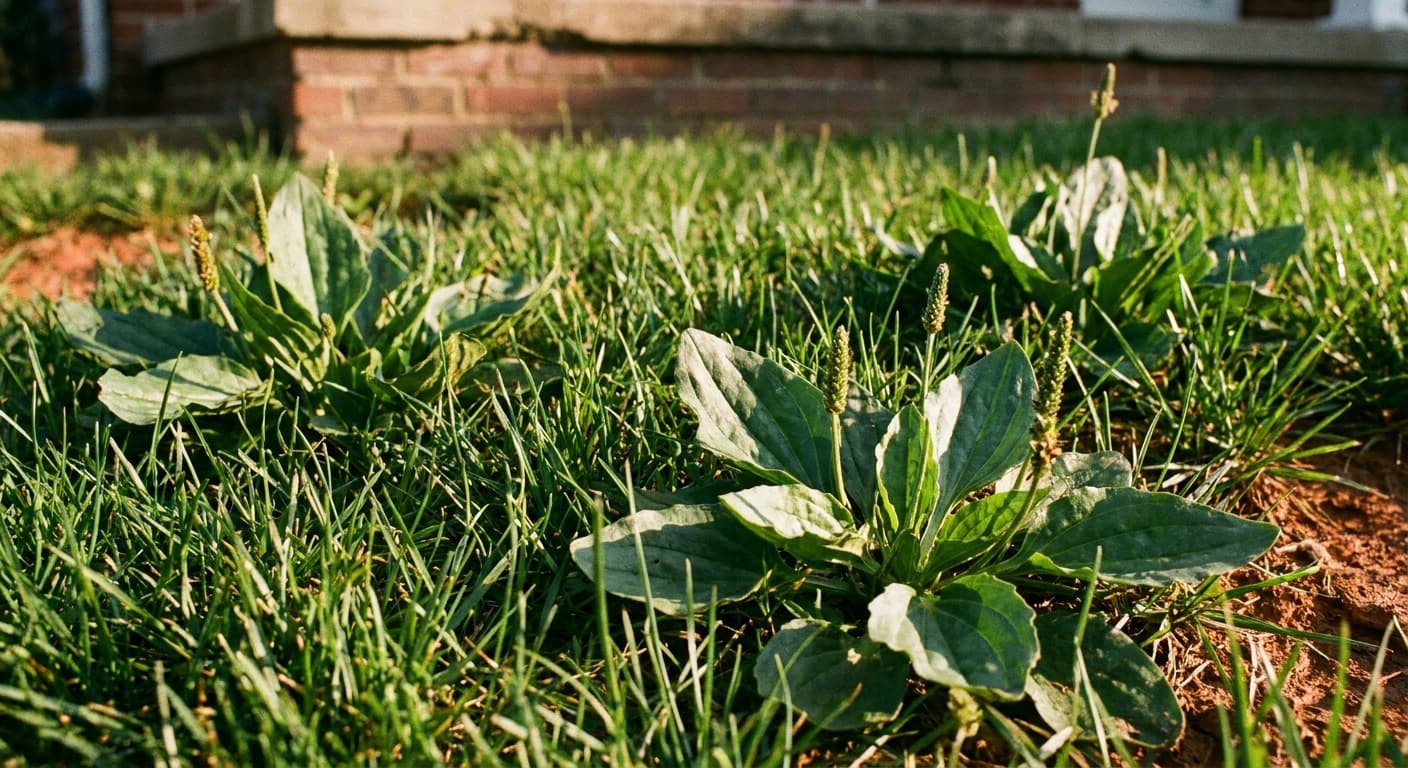
A dense, thick lawn is your best defense against weeds, disease, and soil erosion. Frost seeding contributes to density by filling in gaps before weeds claim the space. When you allow bare patches to persist until spring, crabgrass, dandelions, and other unwanted plants quickly establish roots. Frost seeding gets desirable grasses there first, crowding out competition and creating a healthier, more attractive lawn overall.
Over two or three seasons of frost seeding, you can dramatically transform a thin, patchy yard into one with excellent coverage. This is especially valuable for Fort Wayne properties with clay-heavy soil, which tends to compact and create bare spots. Combined with consistent lawn care and proper fertilization, frost seeding becomes a foundational practice for building a premium lawn that resists problems naturally.
When Should You Frost Seed Your Fort Wayne Lawn?
Timing is critical for frost seeding success. In Fort Wayne and Northeast Indiana, the ideal window is late February through mid-April—after the coldest temperatures have passed but while freeze-thaw cycles continue. Soil temperature should be between 30-40°F; you can check this with a simple soil thermometer or watch for when forsythia bushes begin to bloom (a natural indicator in our region).
Avoid seeding too early (when extreme cold can kill germinating seeds) or too late (when soil warms beyond 50°F and weeds begin competing). Check a 10-day forecast before applying seed; you want overcast conditions and light rain expected within a few days of seeding. If you're uncertain about timing or your yard's specific needs, the team at Minnick Lawn & Landscaping can assess your lawn and recommend the perfect frost seeding window for your Fort Wayne property.
Ready to transform your patchy, winter-damaged lawn into a thick, healthy landscape? Frost seeding is the smart, affordable solution for Fort Wayne yards. Contact Minnick Lawn & Landscaping today to schedule your frost seeding service and see the difference proper spring lawn care can make. Request your free quote now and let's get your lawn ready for the growing season.