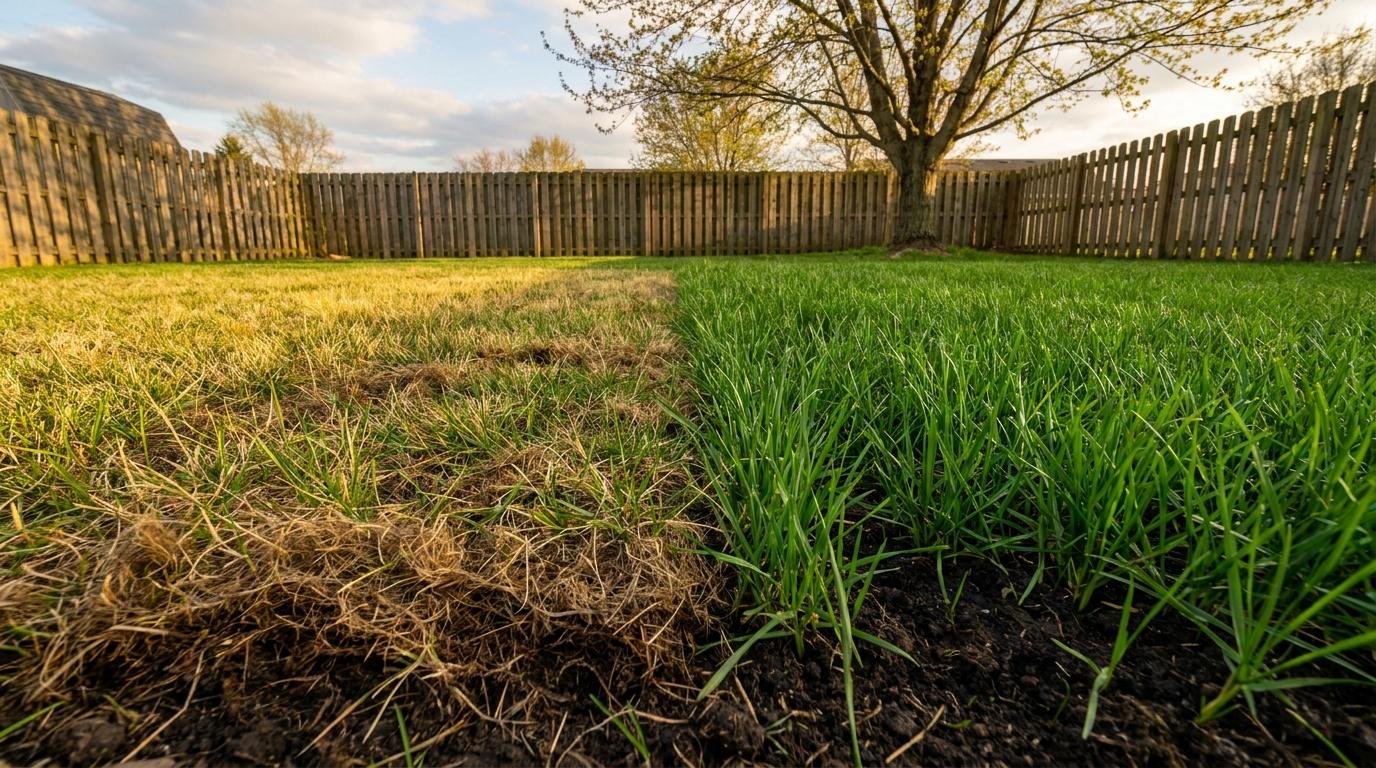
Thatch buildup is one of the most overlooked problems in Fort Wayne lawns, yet it can severely limit your grass's ability to thrive. Dethatching—the process of removing the layer of dead grass, roots, and debris that accumulates between living grass and soil—is essential for maintaining a healthy, vibrant lawn in Northeast Indiana's climate. Without regular dethatching, even the best lawn care routines fail because water, nutrients, and oxygen can't reach where they're needed most.
What Exactly Is Thatch and Why Does It Accumulate?
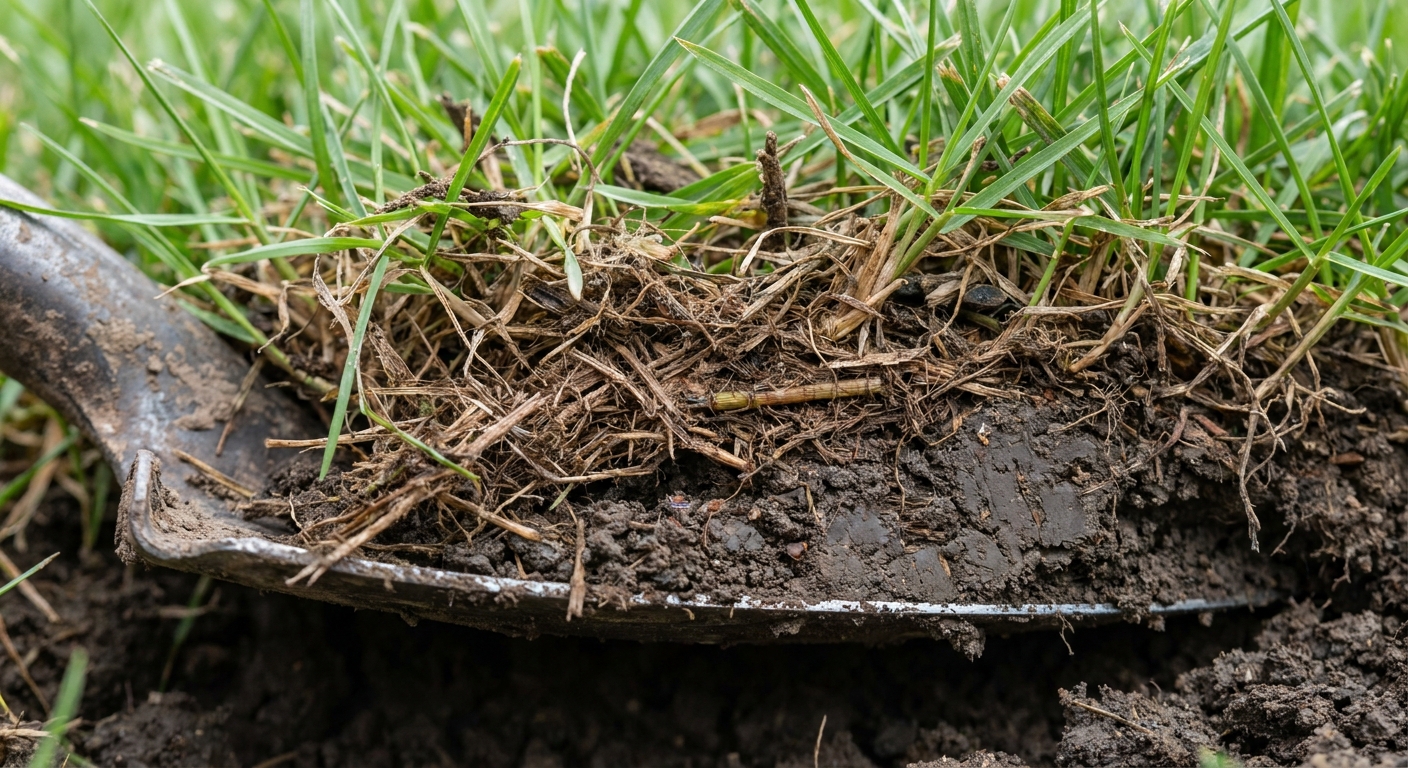
Thatch is a naturally occurring layer that forms as dead grass, roots, and organic matter accumulate faster than they decompose. In Fort Wayne's Zone 5b climate with clay-heavy soil, thatch buildup happens more readily than in other regions because decomposition slows in cooler seasons. A thin thatch layer—up to half an inch—actually helps insulate soil and retain moisture. However, thatch thicker than half an inch becomes problematic, restricting airflow and blocking essential resources.
Several factors accelerate thatch accumulation in Northeast Indiana yards:
- Over-fertilization, which speeds grass growth but not decomposition
- Infrequent mowing that leaves excessive clippings
- Poor soil drainage common in clay-based Fort Wayne soils
- Compacted soil that slows microbial activity
- High-nitrogen fertilizers that promote dense growth
How Does Thatch Damage Your Lawn's Health?
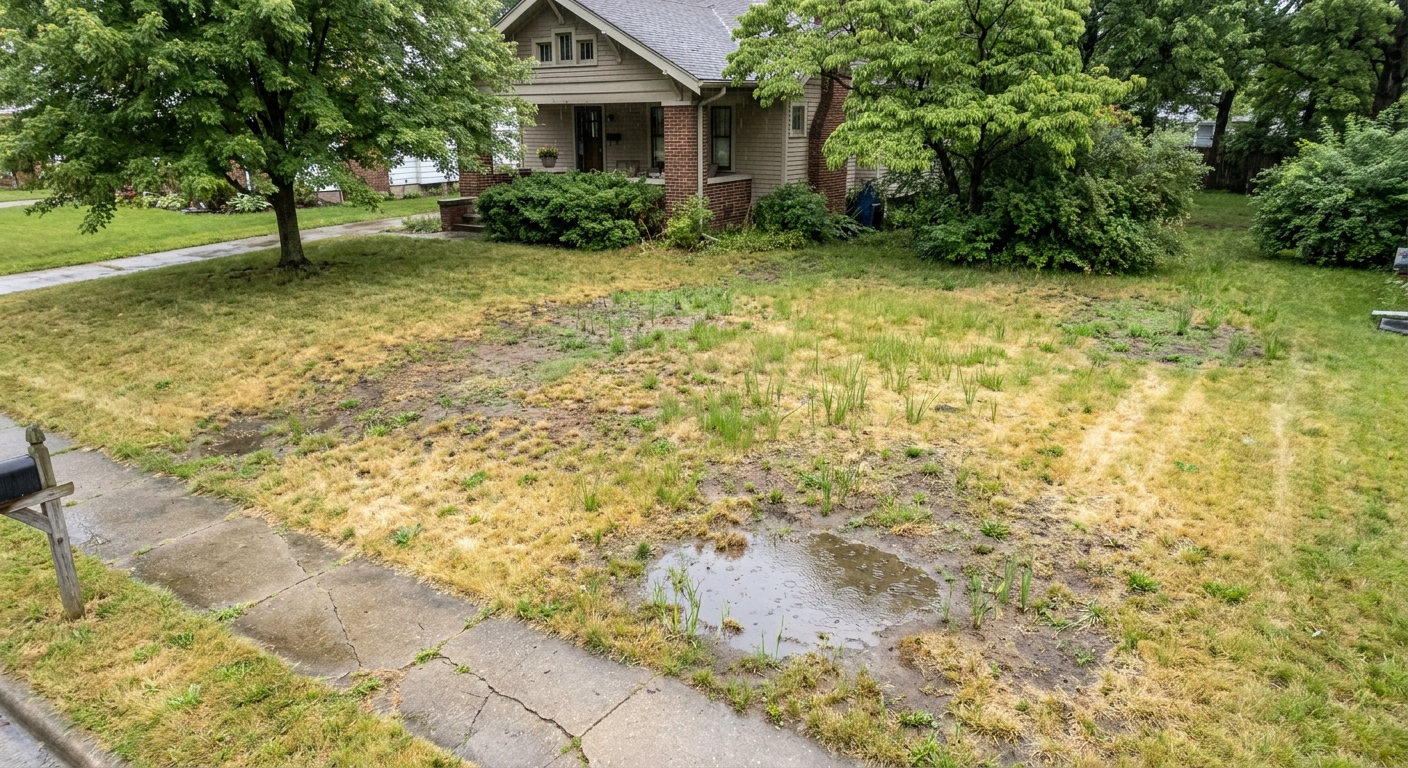
Excessive thatch acts as a suffocating blanket over your grass roots and soil, blocking three critical resources your lawn needs to flourish: water, nutrients, and oxygen. When thatch becomes too thick, water runs off rather than soaking into the soil, leaving your Fort Wayne grass drought-stressed even after rain or irrigation. Fertilizers and soil nutrients get trapped above the soil line, making them unavailable to roots. Additionally, thatch creates a perfect environment for disease and pest problems to take hold.
The damage manifests as:
- Poor water penetration – Rain and irrigation water can't reach roots effectively
- Nutrient lockout – Fertilizer sits on top of thatch instead of feeding the soil
- Shallow root systems – Grass roots stay near the surface in thatch rather than growing deep
- Disease vulnerability – Thatch traps moisture, creating ideal conditions for fungal problems
- Pest habitat – Insects like chinch bugs and grubs thrive in dense thatch
- Weak, thin grass – Stressed plants thin out and become subject to weeds
A lawn with excessive thatch is like trying to grow plants through a cork mat—no matter how much water or fertilizer you apply, the grass can't access it. Regular dethatching removes this barrier and restores your lawn's ability to absorb what it needs to thrive.
When Should You Dethatch Your Fort Wayne Lawn?
Timing matters for dethatching success in Northeast Indiana. Early fall (late August through September) is ideal for Fort Wayne lawns because soil moisture is usually adequate, cool-season grasses are entering their main growth period, and your lawn has time to recover before winter. Early spring (April through early May) is a secondary option when soil temperatures reach 60–70°F and grass is actively growing.
Never dethatch during summer heat stress or late fall when grass won't have time to recover. Before scheduling dethatching, you can perform a simple test: use a garden knife to cut a small section of turf and measure the thatch layer. If it exceeds half an inch, dethatching is warranted.
What Are the Benefits of Regular Dethatching?
A well-maintained lawn through regular dethatching offers dramatically improved health and appearance. Your grass becomes more resilient to Fort Wayne's variable weather, from droughts to heavy spring rains. Disease pressure decreases because the thatch layer—that pest and fungal haven—is removed. Water and fertilizer applications finally deliver results because they can reach the root zone. Your lawn care routine becomes far more effective when dethatching removes this critical barrier.
Additional benefits include:
- Stronger, deeper root systems that access soil moisture during dry periods
- Better nutrient uptake, so your fertilization program actually works
- Reduced pest and disease problems throughout the growing season
- Denser turf that crowds out weeds naturally
- Improved curb appeal and overall lawn color and vigor
- Better soil microbe activity that enhances natural decomposition
How Do Professionals Dethatch More Effectively Than DIY Methods?
While power rakes are available for rent, professional dethatching in Fort Wayne delivers superior results because experts know the right timing, depth, and technique for Northeast Indiana's specific soil conditions. A heavy-handed approach can damage healthy grass, while too gentle an effort leaves thatch behind. Professionals calibrate equipment based on thatch thickness and grass type, ensuring you get maximum benefit without harming your lawn.
Professional dethatching also includes proper post-service care advice specific to your yard's needs. After dethatching, your Fort Wayne lawn may look rough temporarily, but within 2–3 weeks new growth fills in and you'll see dramatic improvement in color, density, and overall health. Many homeowners pair dethatching with lawn aeration to compound the benefits—the combination restores soil structure and allows air, water, and roots to penetrate deeply.
Is Dethatching a One-Time Service or Ongoing Maintenance?
For most Fort Wayne lawns, dethatching should occur every 3–5 years to keep thatch buildup in check. However, lawns with heavy clay soil, those receiving excessive nitrogen fertilizer, or properties with poor drainage may need more frequent dethatching—perhaps every 2–3 years. A professional assessment of your specific yard helps determine the ideal frequency for your Northeast Indiana property.
Between professional dethatching sessions, proper lawn maintenance helps slow thatch accumulation. Follow recommended mowing heights, mulch clippings back into the lawn when possible, use balanced fertilizers, and ensure good drainage. These practices extend the time between dethatching appointments while supporting overall lawn health.
Your Fort Wayne lawn deserves attention to the details that make the biggest difference. Dethatching isn't glamorous, but it's one of the most impactful services for creating a thick, healthy, beautiful yard that resists weeds, disease, and stress. If you're unsure whether your lawn needs dethatching or want professional guidance tailored to your property, request a free quote from our team. We'll assess your thatch layer and recommend the best timing and approach for your specific yard.