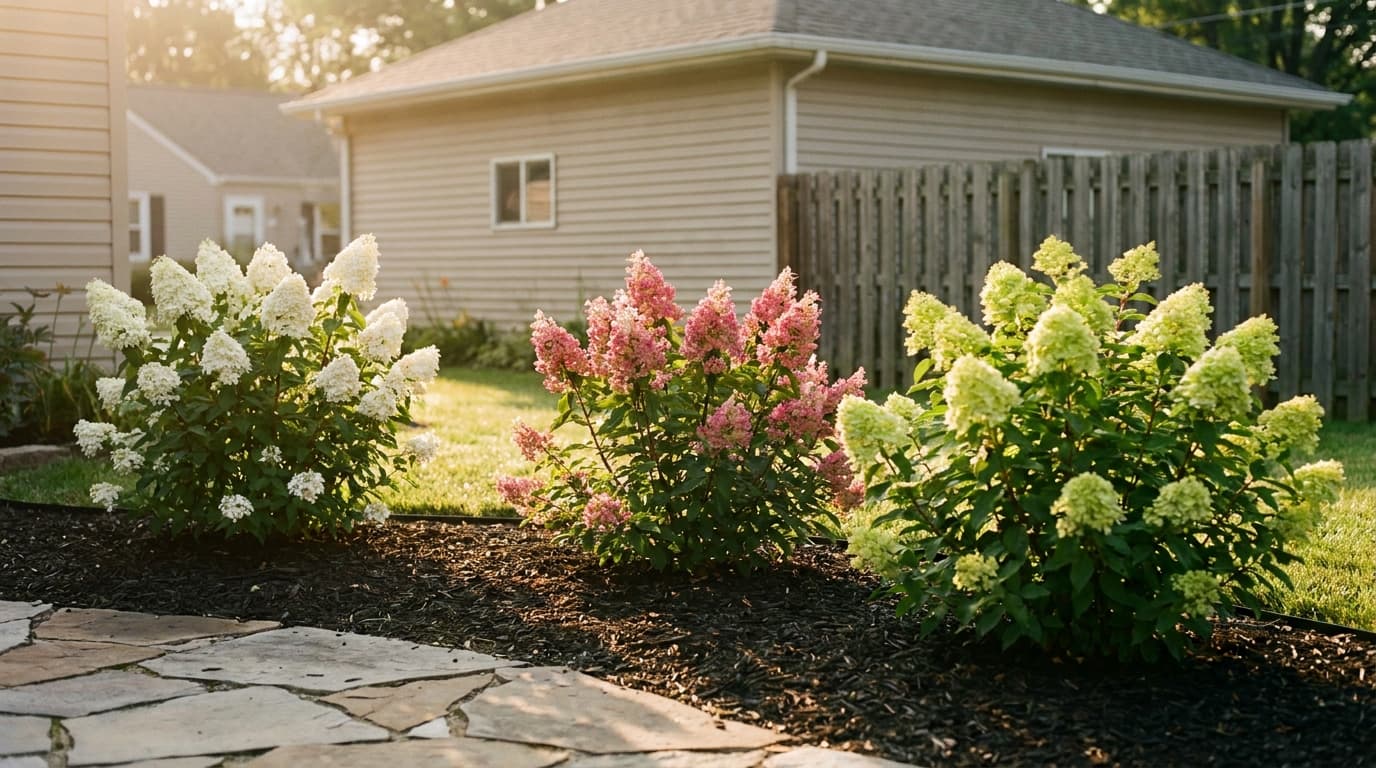
Growing hydrangeas in a small Fort Wayne yard doesn't mean sacrificing these stunning flowering shrubs. Several compact varieties thrive in Northeast Indiana's USDA Zone 5b climate and clay-heavy soil, offering big blooms in minimal space. Whether you're working with a narrow side yard or a modest patio garden, the right hydrangea variety can transform your landscape without overwhelming it.
What are the smallest hydrangea varieties for compact gardens?
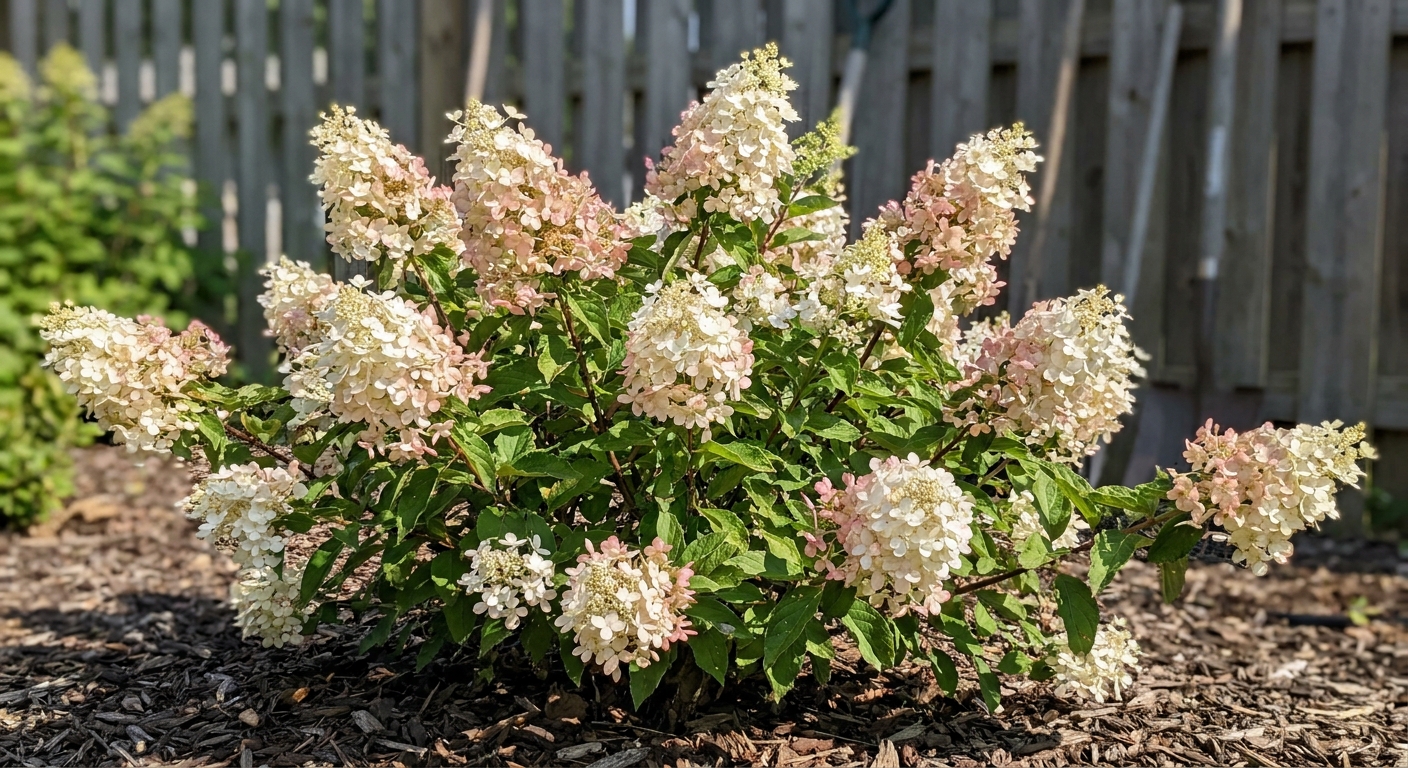
Dwarf and miniature hydrangea varieties typically reach 2 to 4 feet tall and wide, making them ideal for Fort Wayne homeowners with limited space. 'Bobo,' 'Pinky Winky,' and 'Little Lime Light' are among the most popular compact options, offering full-sized blooms on diminutive plants. These smaller cultivars still deliver the dramatic color changes and abundant flowers that make hydrangeas beloved in Northeast Indiana landscapes.
Top Compact Hydrangea Varieties
- 'Bobo' Panicle Hydrangea: Grows 2-3 feet tall, produces cone-shaped white flowers that age to pink, blooms July through frost
- 'Little Lime Light': Reaches 3-4 feet, features lime-green flowers turning pink and red, perfect for small foundation plantings
- 'Pinky Winky': 3-4 feet tall, displays two-toned pink and white panicle flowers, extends blooming season into fall
- 'Oakleaf Purple': 4-5 feet, oakleaf foliage adds visual interest, white flowers fade to burgundy
- 'Twist-n-Shout' Bigleaf: 2-3 feet tall, reblooms throughout summer, works well in Fort Wayne's variable moisture conditions
Which hydrangea types perform best in Northeast Indiana's climate?
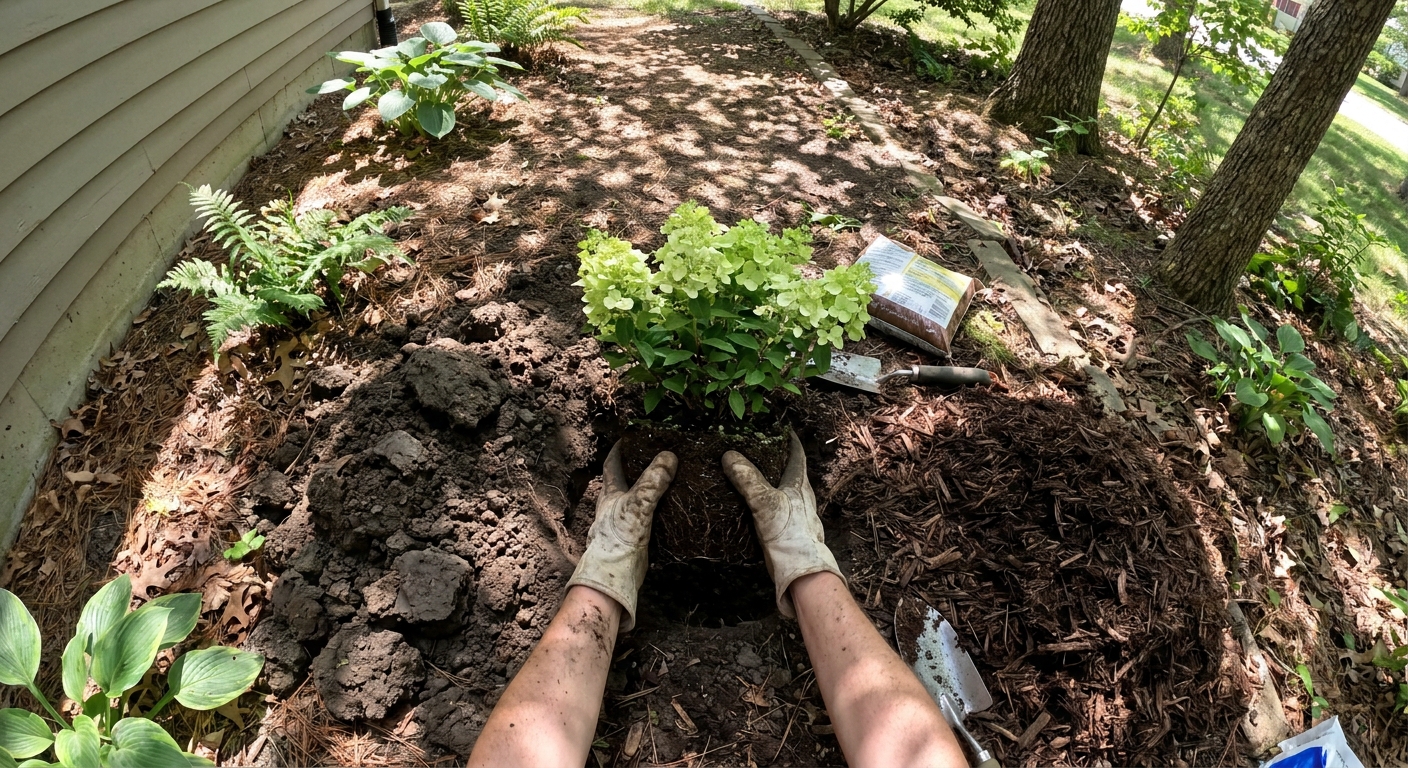
Panicle hydrangeas and oakleaf hydrangeas prove most reliably hardy in Fort Wayne's Zone 5b winters, handling temperature drops to minus 15 degrees Fahrenheit. Bigleaf hydrangeas require more protection but offer stunning mophead and lacecap blooms if planted in sheltered locations. The key to success in Northeast Indiana is choosing varieties rated for cold hardiness and understanding your specific microclimate in Fort Wayne.
Cold-Hardy Options for Fort Wayne
Panicle varieties like 'Bobo' and 'Little Lime Light' consistently survive Fort Wayne winters without winter protection, making them the safest bet for small-space gardeners. Oakleaf hydrangeas, native to southeastern United States, have proven surprisingly hardy in Northeast Indiana when planted against south-facing walls or beneath tree canopies. Bigleaf hydrangeas like 'Twist-n-Shout' can thrive if mulched heavily and positioned away from harsh winter wind exposure.
How do small hydrangea varieties handle Fort Wayne's soil conditions?
Northeast Indiana's naturally clay-heavy, alkaline soil presents challenges for many hydrangeas, particularly bigleaf varieties that prefer acidic conditions. However, compact panicle and oakleaf hydrangeas adapt well to Fort Wayne's native soils with proper amendment. Amending planting holes with compost, peat moss, and sulfur helps balance pH and improves drainage for these space-saving shrubs.
Soil Preparation Tips
- Test your Fort Wayne soil's pH—most hydrangeas prefer 5.5 to 6.5, while Northeast Indiana clay often sits at 7.0 or higher
- Amend planting holes with 30-50% compost to improve drainage and reduce compaction in clay soil
- Add 1-2 inches of mulch around plants to retain moisture and moderate soil temperature
- Consider sulfur applications in spring to gradually lower pH for bigleaf varieties
- Water deeply but infrequently—Northeast Indiana's spring rains often provide adequate moisture
In small Fort Wayne yards, choosing the right hydrangea variety matters more than garden size. A cold-hardy, compact cultivar properly suited to your soil will thrive and provide years of color without constant pruning or replacement.
Can you use hydrangeas in containers for small Fort Wayne spaces?
Container gardening offers another excellent solution for small spaces in Fort Wayne. Dwarf varieties like 'Bobo' and 'Twist-n-Shout' perform well in 15-20 gallon pots filled with quality potting soil, giving you control over moisture and pH. Containers allow Northeast Indiana gardeners to enjoy hydrangeas on patios, decks, and entry areas while managing soil conditions more easily than in-ground plantings.
Container Growing Best Practices
Use a pot at least 15 gallons in size with adequate drainage holes to prevent root rot in Fort Wayne's unpredictable spring weather. Fill with a high-quality potting mix rather than garden soil, which compacts in containers. Water consistently—containers dry faster than in-ground plantings, especially important during Northeast Indiana's hot summers. In late fall, move containerized hydrangeas against your house foundation or into a garage for winter protection in Fort Wayne's Zone 5b climate.
What maintenance do compact hydrangeas require in Fort Wayne?
Small hydrangea varieties typically need less pruning than standard sizes, though proper care extends their lifespan and flowering in Fort Wayne. Most compact panicle hydrangeas benefit from early spring pruning—cut back to 12-18 inches tall in late March or early April once soil thaws. Bigleaf and oakleaf hydrangeas require minimal pruning, mainly deadheading spent flowers and removing damaged growth after Fort Wayne winters.
Seasonal Care Calendar
Spring (March-April): Prune panicle varieties to desired size, apply slow-release fertilizer once new growth appears. Summer (June-August): Water during dry spells, deadhead spent flowers to encourage reblooming in varieties like 'Twist-n-Shout.' Fall (September-October): Let flowers fade naturally for fall color; avoid heavy pruning in Northeast Indiana. Winter (November-February): Mulch around plants in Fort Wayne, protect containers by moving to sheltered locations.
Ready to add a compact hydrangea to your Fort Wayne landscape? Professional landscaping services from Minnick Lawn & Landscaping can help you select the perfect variety for your space and soil conditions. Whether you're designing a new garden bed or revamping a small patio area, our team knows which cultivars thrive in Northeast Indiana's unique climate. Request a free quote today to discuss your small-space hydrangea project, and let's transform your Fort Wayne yard into a blooming masterpiece.