Core aeration is one of the most important lawn care treatments for Fort Wayne homeowners, yet many don't realize their grass desperately needs it. If your lawn has compacted soil, thin patches, or poor drainage—common problems in our clay-heavy Northeast Indiana climate—aeration can transform your turf's health by late summer. Spring is the ideal time to aerate cool-season grasses in Fort Wayne, giving roots room to breathe and nutrients to penetrate.
What Is Core Aeration and Why Does Fort Wayne Soil Need It?
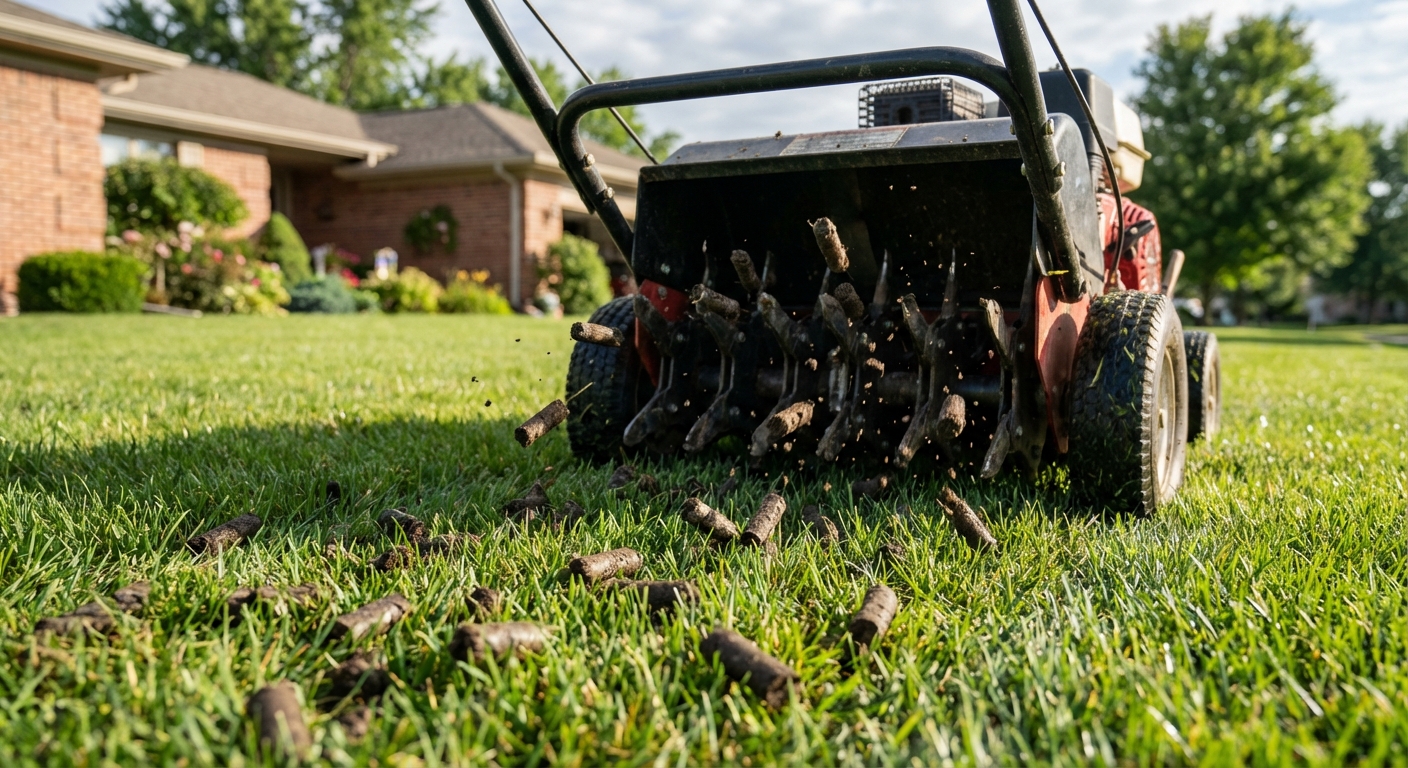
Core aeration removes small plugs of soil and thatch from your lawn, creating space for air, water, and nutrients to reach grass roots. Fort Wayne's clay-dominant soil naturally compacts over time, especially under foot traffic and winter weight. This compaction strangles roots, reduces water infiltration, and creates ideal conditions for weeds and disease. A professional aeration treatment uses specialized equipment to pull thousands of penny-sized cores, breaking up that compacted layer.
Northeast Indiana's USDA Zone 5b climate makes spring aeration timing perfect—you're aerating just as cool-season grasses begin their most vigorous growth phase (late April through May). This gives roots maximum time to expand into newly loosened soil before summer stress.
Is Your Fort Wayne Lawn Compacted and Struggling to Drain?
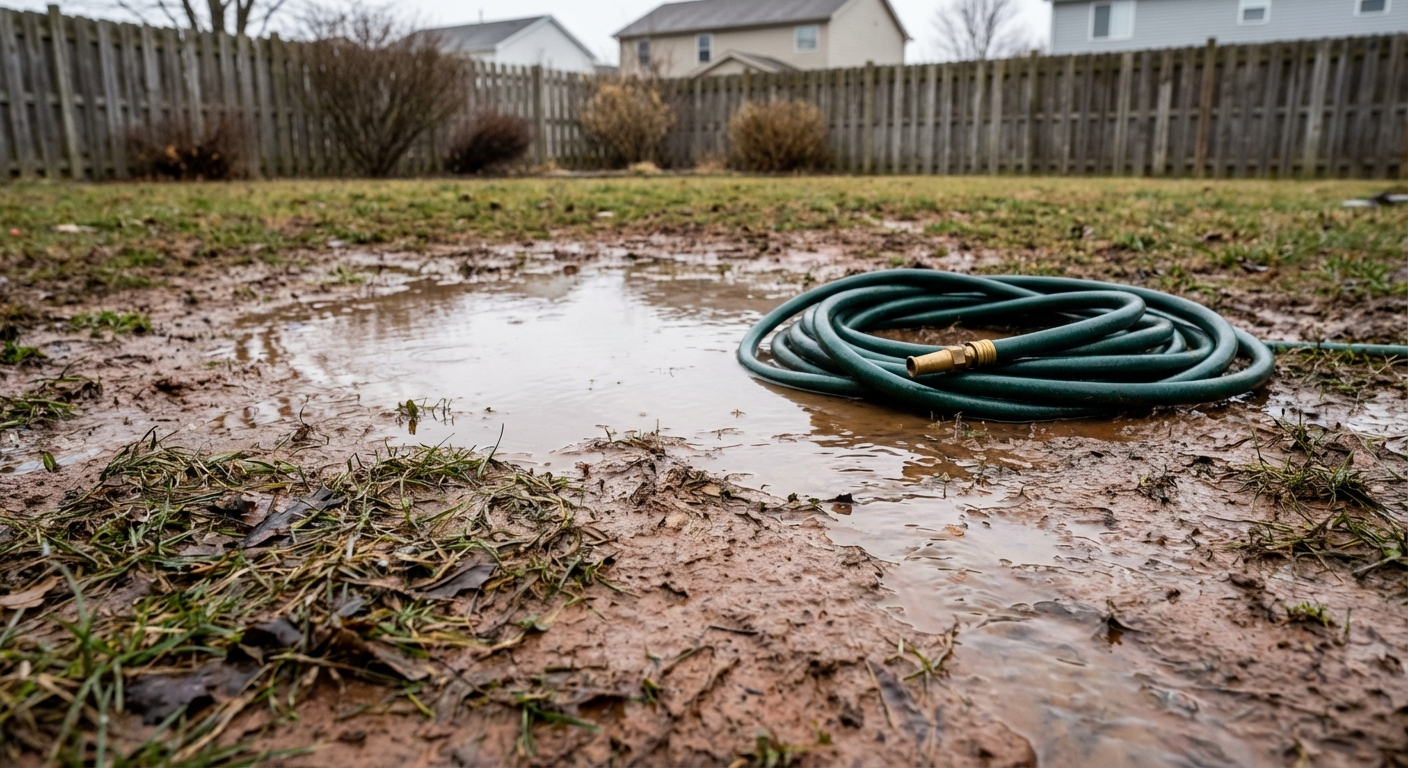
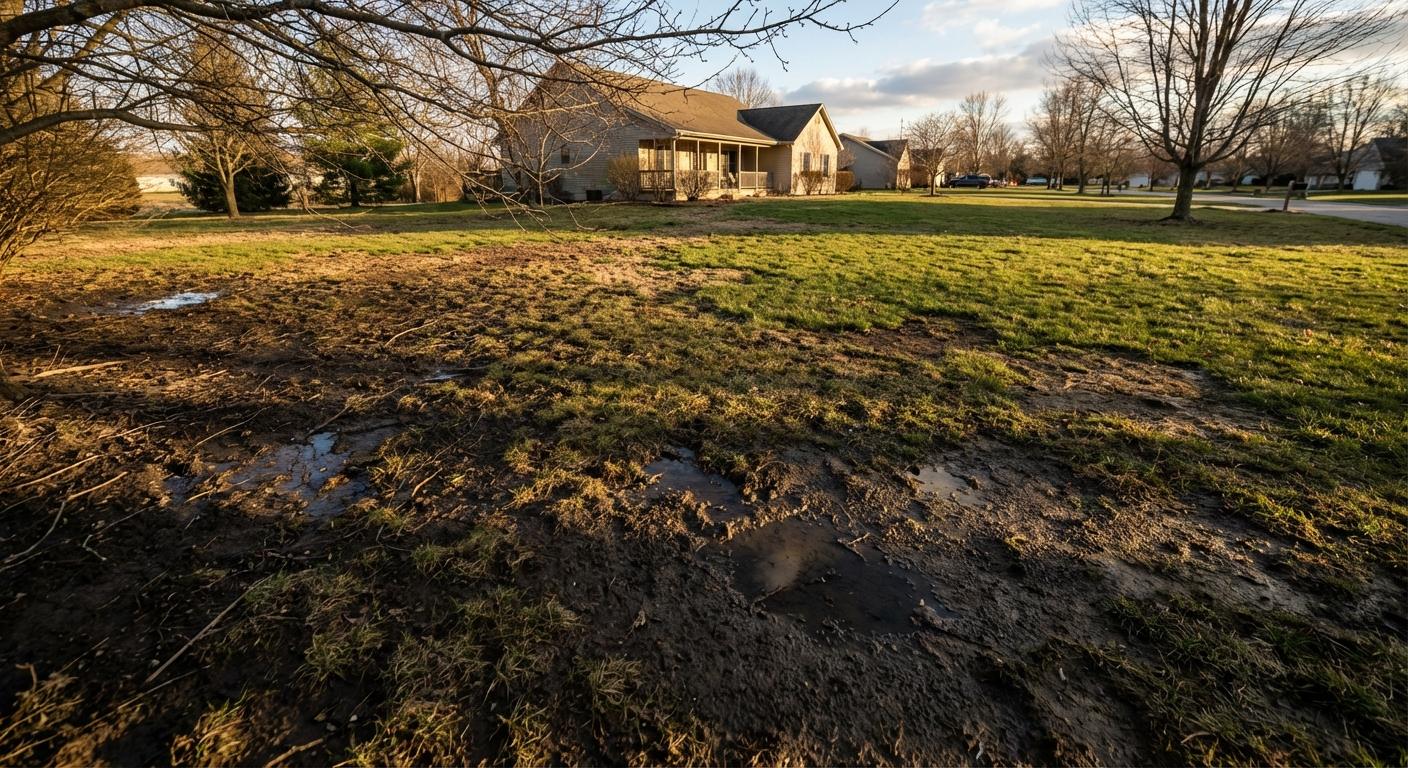
One of the most telling signs your lawn needs aeration is poor water drainage. After rain or watering, does water pool on the surface instead of soaking in? This indicates soil compaction blocking water movement. Fort Wayne's clay soil is especially prone to this problem—even moderate foot traffic creates a nearly impenetrable layer over time.
To test drainage, water a 1-square-foot area and time how long it takes to soak in. More than 30 minutes suggests serious compaction. Compacted soil also stays colder in spring, delaying grass green-up and root development. Core aeration opens channels that allow water to penetrate 6–8 inches deep, reaching the root zone where it matters most.
Do You See Thin, Bare, or Yellowing Patches in Your Lawn?
Thin grass, bare spots, and yellowing are classic signs that roots can't access adequate nutrients and oxygen. When soil is compacted, grass roots can only grow horizontally at the surface instead of deep into the soil profile. This shallow root system makes grass weaker, more susceptible to disease, and less drought-tolerant. Fort Wayne homeowners often blame these patches on poor grass seed or disease, when the real culprit is compacted soil starving the root zone.
Aeration addresses the root cause by loosening soil and creating space for roots to dive deeper. When combined with lawn fertilization, aeration helps nutrients reach those newly developing roots. Within 4–6 weeks of spring aeration in Fort Wayne, most homeowners notice thicker, greener growth filling in previously thin areas.
Is Thatch Buildup Making Your Lawn Feel Spongy?
Walk across your lawn and feel it give under your feet like a sponge? That's thatch—a layer of dead grass, roots, and organic matter sitting between the soil and living turf. A thin thatch layer (up to half an inch) is normal and healthy, but excessive thatch blocks water, nutrients, and air from reaching soil. It also creates a perfect home for grubs, chinch bugs, and fungal diseases.
Core aeration physically breaks up and redistributes thatch, especially when paired with spring overseeding. The aeration holes expose thatch to decomposing organisms in the soil, accelerating its breakdown. For Fort Wayne lawns with dense thatch, you may need 2–3 years of annual spring aeration to fully resolve the problem, but improvement shows quickly.
Core aeration isn't a luxury—it's essential maintenance for Fort Wayne lawns. Without it, compacted soil defeats fertilizer applications, weed control, and overseeding efforts. Aeration removes the barrier holding your lawn back from its best growth potential.
Does Your Lawn Attract More Weeds and Grubs Each Year?
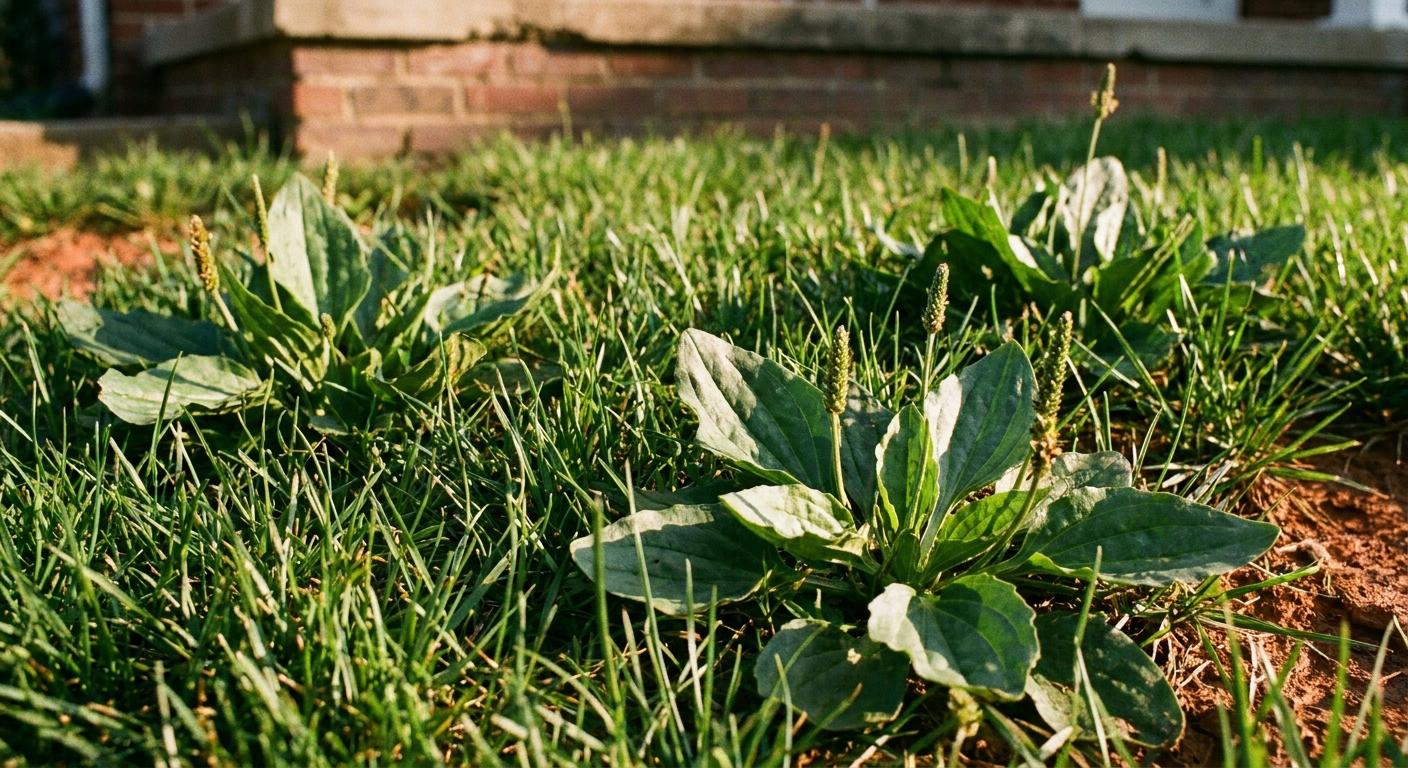
Weeds and grubs thrive in compacted, shallow-rooted lawns. When healthy grass can't fill in space with dense growth, weeds find openings. Grubs love compacted soil because it's easier to tunnel through, and the stressed, shallow-rooted turf can't recover from their damage. If you're fighting an uphill battle against weeds in Fort Wayne every spring, compaction is likely your enemy.
Core aeration strengthens turf density, which crowds out weeds and reduces grub damage. A thicker lawn from aeration naturally outcompetes weeds for space and nutrients. When combined with proper lawn care services like spring pre-emergent weed control and a sound fertilization plan, aeration becomes your most cost-effective weed prevention tool.
When Is the Best Time to Aerate Your Fort Wayne Lawn?
Late April through May is the optimal window for core aeration in Fort Wayne and Northeast Indiana. Spring aeration allows cool-season grasses (Kentucky bluegrass, perennial ryegrass, tall fescue) to recover quickly and establish deep roots before summer. Wait until soil moisture is moderate—too wet and the machine clogs; too dry and soil becomes even harder.
Never aerate in summer or early fall. Summer aeration stresses heat-sensitive grass when roots are already fighting drought. Fall aeration done too late gives grass insufficient recovery time before winter dormancy. Spring is the only truly optimal time for Fort Wayne.
- Late April–early May: Ideal timing when soil warms to 45–50°F and grass begins active growth
- Check soil moisture: Soil should be moist but not waterlogged (squeeze test: moisture clumps but doesn't muddy)
- Avoid summer or fall: Both create unnecessary stress during dormant or difficult growth periods
- Overseed within 24 hours: Aeration holes give seed direct soil contact for maximum germination
How Often Should Fort Wayne Homeowners Aerate?
Most Fort Wayne lawns benefit from annual spring aeration, especially those with heavy clay soil, high foot traffic, or existing compaction problems. Lawns with moderate conditions and good drainage may aerate every other year. Newly installed lawns might need 2–3 consecutive years of aeration to fully break down construction compaction.
If you're investing in professional landscaping or lawn installation, plan to aerate the following spring to accelerate root establishment. After the first year or two of regular aeration, your soil will loosen considerably, making future treatments more effective and less frequent.
If you've noticed any of these five signs in your Fort Wayne lawn, spring aeration is the single best investment you can make this season. Compacted soil is a silent lawn killer—aeration removes the barrier between your efforts and results. Contact Minnick Lawn & Landscaping today for a free lawn evaluation and quote on professional core aeration. We serve Fort Wayne, Auburn, New Haven, and all of Northeast Indiana. Call (260) 927-5185 to schedule your spring aeration appointment before our spring schedule fills up.