One of the most common questions Fort Wayne homeowners ask each spring is when to start mowing. Mowing too early can damage grass that is not yet actively growing, while waiting too long allows the lawn to become overgrown and stressed. The key to perfect timing lies in understanding soil temperature, grass behavior, and the unique climate patterns of Northeast Indiana.
Soil Temperature: The Most Reliable Indicator
The single best indicator that your lawn is ready for its first mowing is soil temperature. Cool-season grasses common in Fort Wayne, including Kentucky bluegrass, perennial ryegrass, and tall fescue, begin active growth when the soil temperature at a four-inch depth reaches approximately 55 degrees Fahrenheit. At this temperature, grass roots become active and blade growth resumes in earnest.
In the Fort Wayne area, soil temperatures typically reach this threshold between mid-April and early May, though the exact timing varies year to year based on winter severity and spring weather patterns. A particularly warm March can push this date earlier, while a cold, lingering winter can delay it into May.
How to Check Soil Temperature
Checking soil temperature is simple and inexpensive. Purchase a soil thermometer from any garden center or hardware store, or use a standard meat thermometer in a pinch. Insert the probe four inches into the soil in a representative area of your lawn, ideally in morning shade to get an accurate reading. Take readings over several consecutive days, as a single warm day does not mean the soil has warmed sufficiently. You are looking for consistent readings at or above 55 degrees Fahrenheit.
Several online resources and local extension offices also track soil temperature data for the Fort Wayne region, which can supplement your own readings and help you anticipate the optimal timing.
Visual Signs Your Lawn Is Ready
While soil temperature is the most reliable metric, several visual cues indicate your lawn is waking up and approaching mowing readiness. Look for these signs:
- New green growth appearing among the dormant brown grass blades
- Grass reaching two to three inches in height in the tallest areas
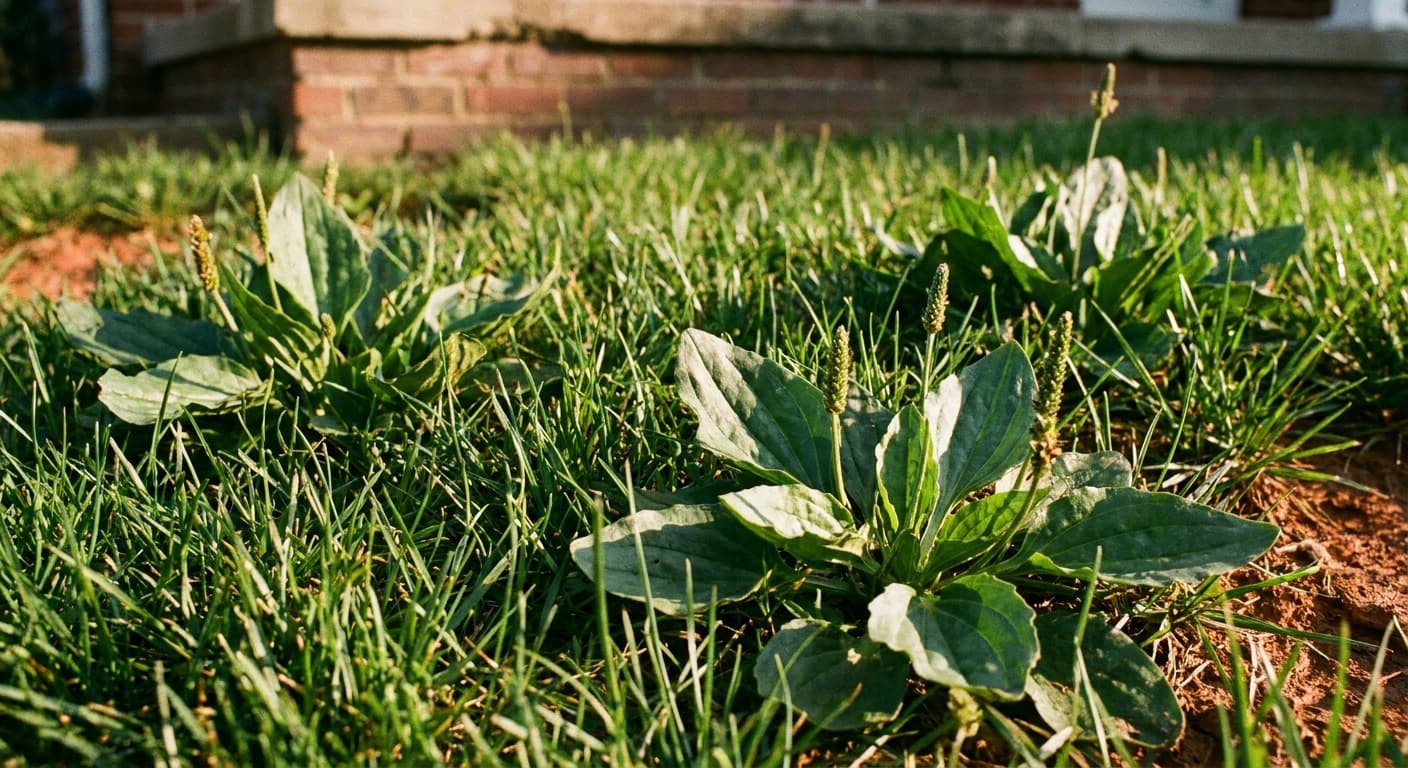
- Dandelions and other early spring weeds beginning to bloom, which indicates soil has warmed sufficiently for plant growth
- Trees and shrubs in your landscape beginning to leaf out
- Earthworm castings appearing on the soil surface, indicating biological activity in the soil
When you see several of these signs together, it is a strong indication that mowing season is about to begin, even if you have not checked the soil temperature directly.
First Mow Height Settings
The first mowing of the season sets the tone for your lawn's health throughout the spring. Follow the one-third rule: never remove more than one-third of the grass blade height in a single mowing. If your grass has reached four inches, set your mower to cut at approximately two and two-thirds inches.
For the first mow specifically, many lawn care professionals recommend cutting slightly lower than your summer mowing height. This removes winter-damaged tips, standing dead grass, and debris that accumulated over the dormant season. After this initial cut, raise the mowing height to the recommended summer setting for your grass type:
- Kentucky bluegrass: 2.5 to 3.5 inches
- Perennial ryegrass: 2 to 3 inches
- Tall fescue: 3 to 4 inches
- Fine fescue: 2.5 to 3.5 inches
Maintaining the proper mowing height is one of the most important things you can do for your lawn's health. Taller grass shades the soil, reducing weed germination and conserving moisture. It also promotes deeper root growth, making the lawn more resilient to heat and drought later in summer.
Mulching vs. Bagging the First Mow
For the first spring mowing, bagging clippings is often the better choice. The initial cut typically removes a significant amount of dead material, accumulated debris, and longer-than-usual clippings that can smother the lawn if left in place. Bagging this first round ensures the recovering grass gets maximum sunlight and air circulation.
After the first mow, switch to mulching for subsequent cuttings throughout the growing season. Mulched clippings decompose quickly and return valuable nitrogen and organic matter to the soil, effectively providing a free, slow-release fertilizer with every mowing. Mulching reduces the need for supplemental fertilization by up to 25 percent over the course of a season.
Mowing Frequency in Spring
During the peak spring growth period in Fort Wayne, typically from late April through June, your lawn will grow rapidly and may need mowing every five to seven days. Cool-season grasses experience their fastest growth when air temperatures are between 60 and 75 degrees Fahrenheit, which coincides perfectly with our spring weather.
Resist the temptation to skip mowings and cut the grass extra short to compensate. Removing too much of the blade at once, known as scalping, stresses the grass, exposes the soil to sunlight which encourages weed growth, and weakens the root system. Consistent, regular mowing at the proper height produces the healthiest and best-looking lawn.
Best Time of Day to Mow
The optimal time to mow your lawn is mid-morning, between approximately 9 AM and 11 AM. By this time, morning dew has evaporated, allowing for a cleaner cut without clumping, but the heat of the day has not yet set in. Mowing on wet grass tears rather than cuts the blades, creating ragged edges that are more susceptible to disease. Mowing during the hottest part of the afternoon adds stress to both you and the grass.
If mid-morning is not possible due to your schedule, late afternoon between 4 PM and 6 PM is a good alternative. The grass has time to recover before nightfall, and temperatures are more moderate. Avoid mowing in the evening just before dark, as freshly cut grass that stays damp overnight is more vulnerable to fungal diseases.
Fort Wayne Climate Factors
Fort Wayne sits in USDA Hardiness Zones 5b to 6a, with average last frost dates around mid-May. Our spring weather is notoriously variable, with warm spells often interrupted by cold snaps. This means the start of mowing season can vary by two to three weeks from year to year.
The region receives an average of approximately 37 inches of rainfall per year, with spring being one of the wetter seasons. Wet springs can delay mowing due to saturated soil conditions. Mowing on waterlogged soil causes compaction and ruts, so it is better to wait for the soil to firm up than to force mowing on schedule. If spring rains push your grass height well above the ideal range, raise the mowing deck and make multiple passes over several days to bring it back to the proper height without shocking the turf.
Common First-Mow Mistakes to Avoid
Several common mistakes can undermine your lawn's spring recovery:
- Mowing too early: Cutting grass before it is actively growing damages the crowns and delays green-up. Be patient and wait for consistent soil warmth.
- Dull mower blades: After sitting all winter, your mower blades are likely dull. Sharpen or replace them before the first cut for clean cuts that heal quickly and resist disease.
- Scalping the lawn: Cutting too short in an attempt to "clean up" the winter look removes too much blade tissue and stresses the grass severely.
- Mowing wet grass: Spring mornings are dewy and rainy days are frequent. Wait for dry conditions for a better cut and to prevent disease spread.
- Ignoring equipment maintenance: Change the oil, check the air filter, inspect the spark plug, and ensure the mower is running properly before the season begins. A well-maintained mower produces a better cut and lasts longer.
- Compacting wet soil: Heavy mowers on saturated soil create compaction that restricts root growth for the rest of the season. Wait until the soil firms up before mowing.
When to Hire a Professional
While many homeowners enjoy mowing their own lawns, there are situations where professional mowing service makes sense. If your lawn is large, if physical limitations make mowing difficult or unsafe, or if your schedule simply does not allow for the consistent weekly mowing that spring demands, a professional service ensures your lawn receives timely, proper care.
Professional mowing services also bring expertise in mowing height, frequency, and technique that can make a noticeable difference in lawn quality. They maintain sharp blades, use proper equipment for your lawn size, and adjust their approach based on current conditions.
Related Services from Minnick Lawn & Landscaping
- Professional Lawn Care Services – Mowing, fertilization, and year-round lawn maintenance
- Landscaping & Garden Design – Custom landscape design and installation
- Mulch Delivery & Installation – Premium mulch products delivered and installed
Request a free quote from Minnick Lawn & Landscaping for your Fort Wayne property today.
At Minnick Lawn & Landscaping, our crews are ready to start mowing as soon as conditions allow each spring. We monitor soil temperatures and weather patterns to time the first mowing perfectly, and we adjust our mowing height and frequency throughout the season to keep your lawn in peak condition. Contact us today to set up your spring mowing schedule and enjoy a professionally maintained Fort Wayne lawn all season long.