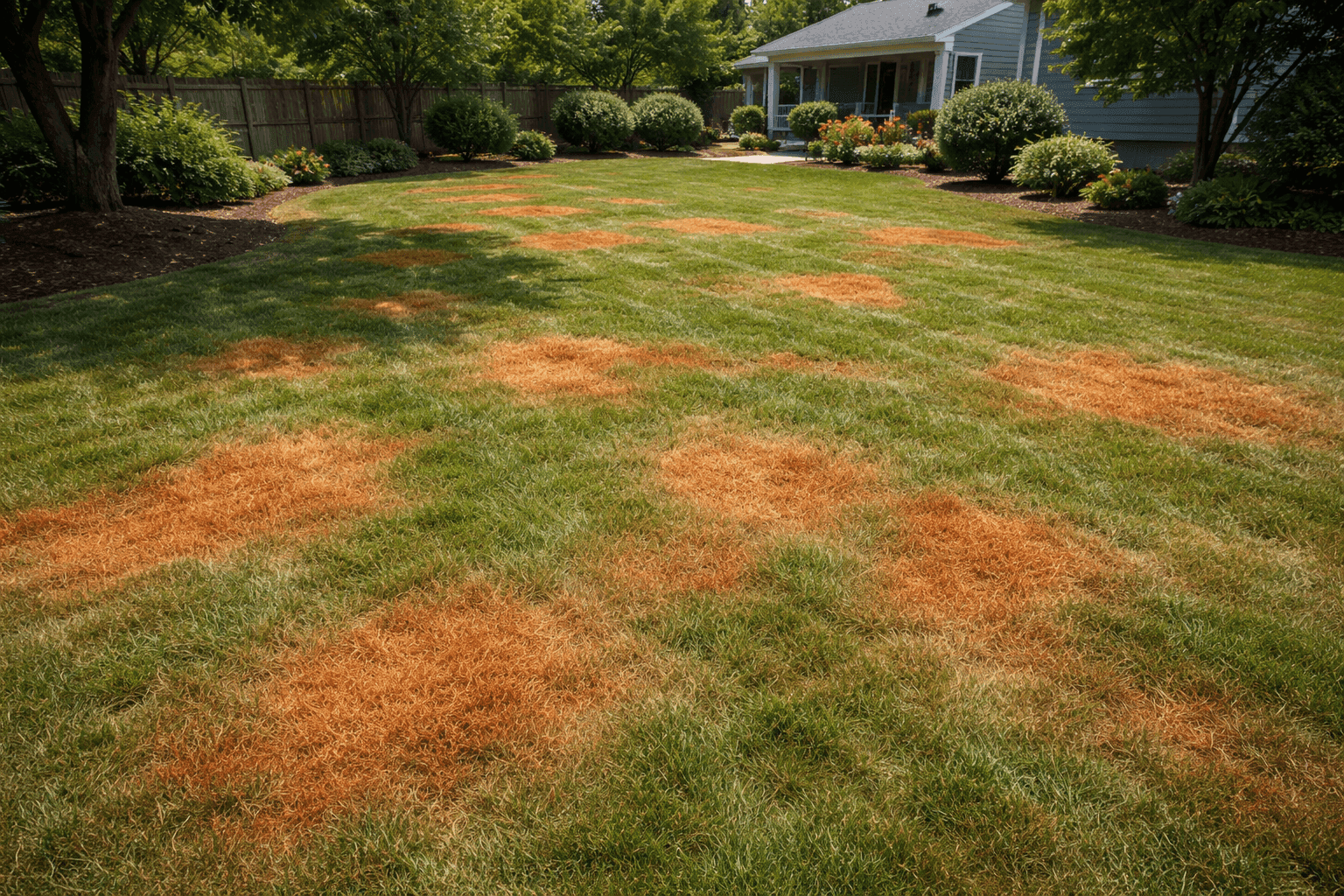
Rusty-looking patches in your yard can be alarming, but understanding the underlying causes helps you take the right corrective action. These orange or rust-colored areas are often caused by a common fungal disease aptly named lawn rust, though other factors can also contribute to the appearance. Homeowners in Fort Wayne and throughout Northeast Indiana frequently encounter this issue, particularly during late summer and early fall.
What Causes Rusty Patches?
Lawn rust is a fungal disease caused by several species of the Puccinia genus. It thrives in conditions of moderate temperatures (60 to 75 degrees Fahrenheit), high humidity, and low light. Lawns that are growing slowly due to drought stress, low nitrogen fertility, or heavy shade are most susceptible. You can confirm lawn rust by rubbing a grass blade between your fingers. If orange or yellowish powder transfers to your skin, rust fungus is the culprit.
When Does Lawn Rust Appear?
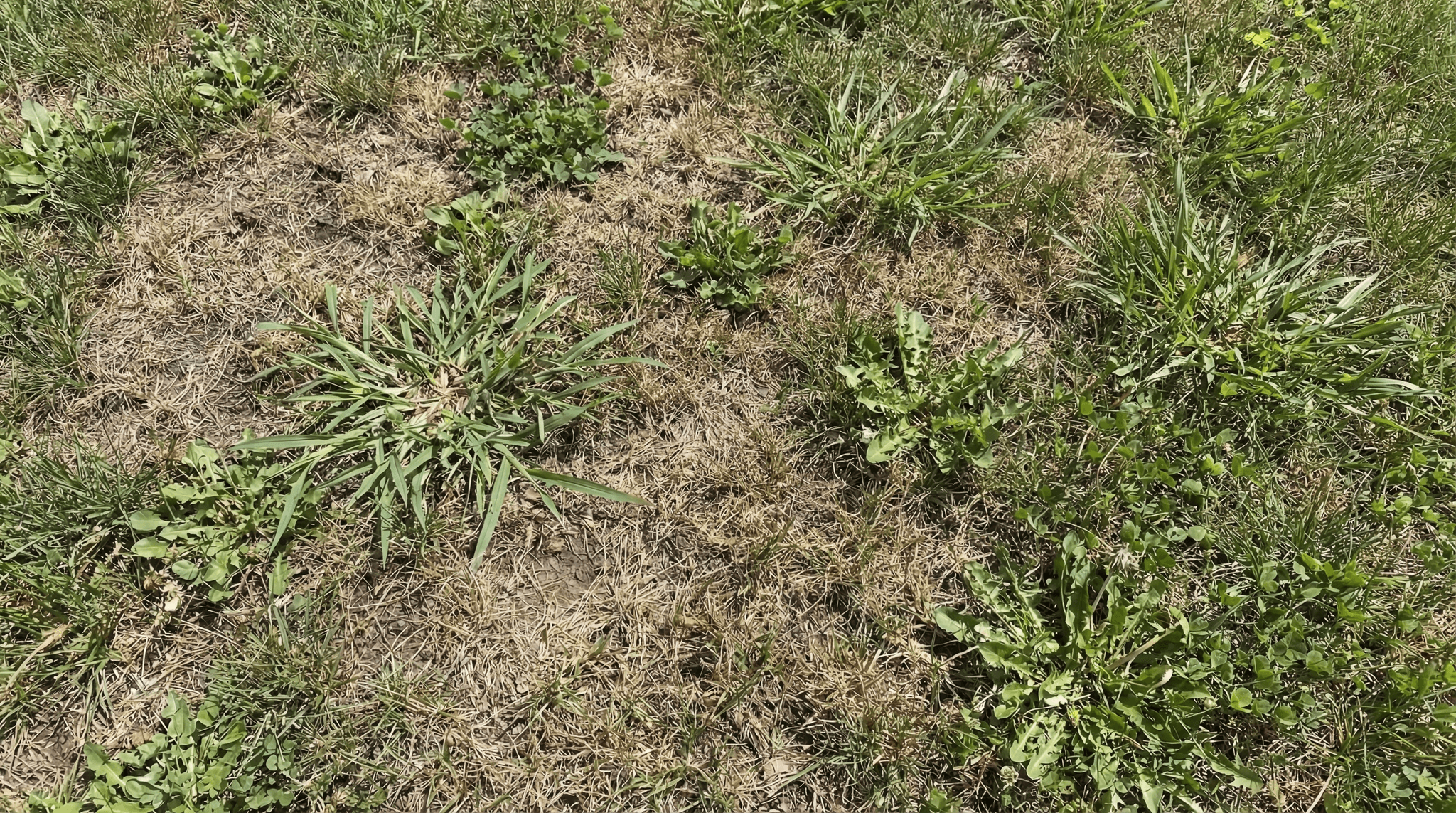
In Indiana, lawn rust typically appears in late August through October, when nighttime temperatures cool while humidity remains high. Periods of extended cloud cover and morning dew create ideal conditions for the fungus to spread. Newly established lawns and those recovering from summer stress are particularly vulnerable because their slower growth rate allows the fungus to take hold.
How to Treat Lawn Rust
The good news is that lawn rust rarely causes permanent damage and often resolves on its own when growing conditions improve. The most effective treatment is stimulating active grass growth. Apply a nitrogen-rich fertilizer to encourage the lawn to grow faster, effectively outpacing the fungus. Water early in the morning to reduce the duration of leaf wetness. Mow regularly to remove infected blade tips and improve air circulation. Collect clippings from severely affected areas to reduce spore spread.
Prevention Strategies
Maintaining a healthy, actively growing lawn is the best defense against rust and other fungal diseases. Follow a proper fertilization schedule to ensure consistent nutrient availability. Water deeply but infrequently, and always in the morning. Improve air circulation by pruning overhanging branches and thinning dense plantings near the lawn. If rust is a recurring problem, consider overseeding with rust-resistant grass varieties.
Related Services from Minnick Lawn & Landscaping
- Professional Lawn Care Services – Mowing, fertilization, and year-round lawn maintenance
- Landscaping & Garden Design – Custom landscape design and installation
- Mulch Delivery & Installation – Premium mulch products delivered and installed
Request a free quote from Minnick Lawn & Landscaping for your Fort Wayne property today.
If your lawn shows persistent rusty patches despite proper care, Minnick Lawn & Landscaping can diagnose the issue and recommend targeted treatment. Contact us for a lawn health assessment at your Fort Wayne property.