Choosing the right privacy fence material is one of the most important decisions you'll make for your Fort Wayne home's exterior. The best material depends on your budget, maintenance tolerance, climate needs, and aesthetic preferences. In Northeast Indiana's variable weather—from heavy snow to humid summers—some materials outperform others significantly. Let's explore your options so you can install a fence that lasts.
What Makes Wood the Classic Privacy Fence Choice?
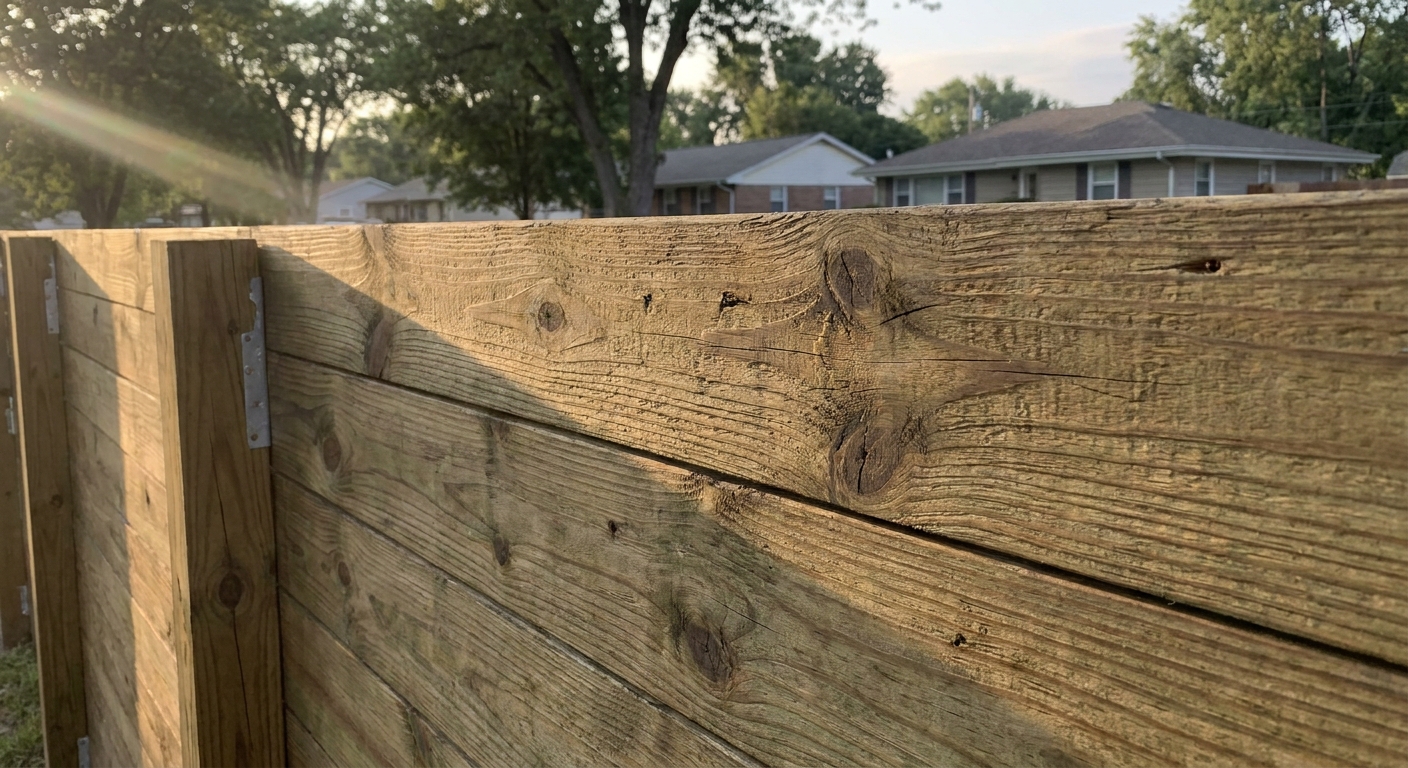
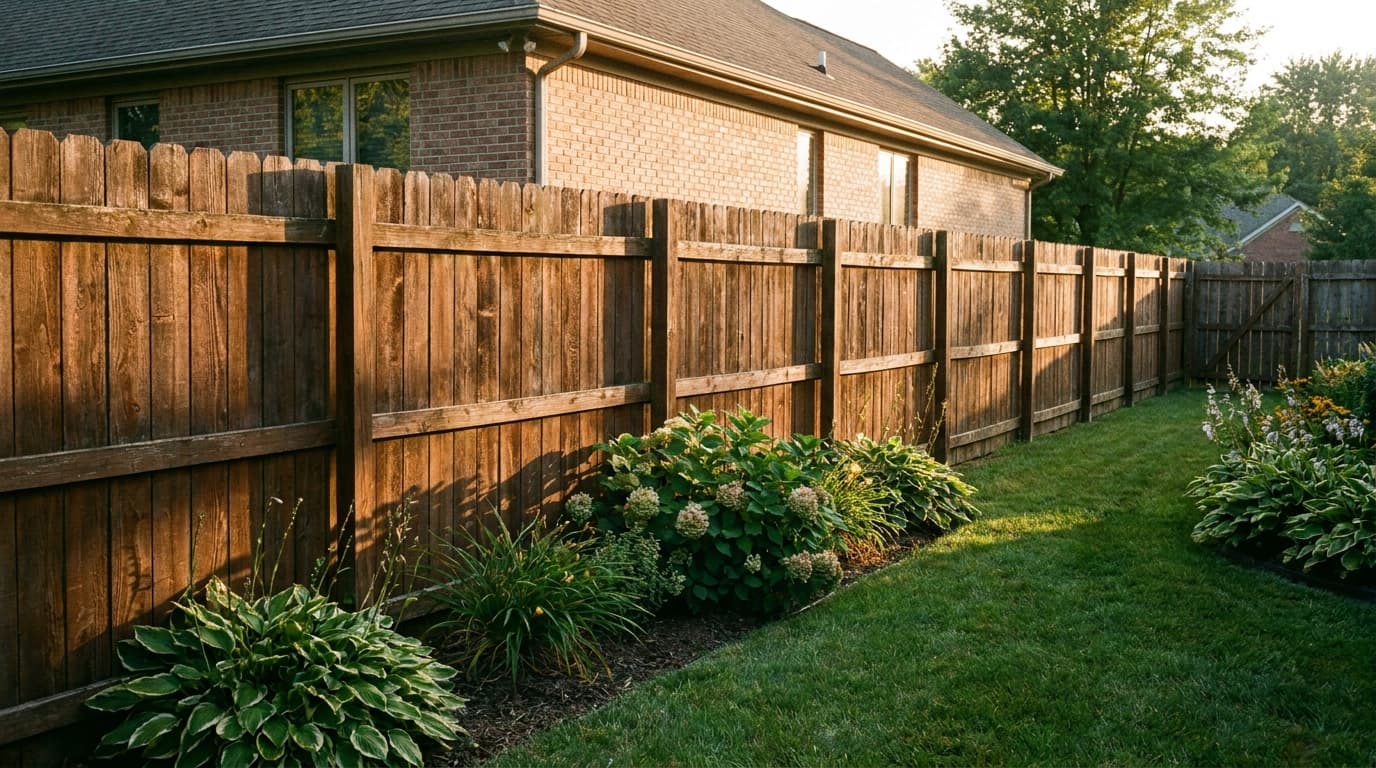
Wood remains the most popular privacy fence material in Fort Wayne and Northeast Indiana because of its natural beauty, affordability, and timeless appeal. Cedar and pressure-treated pine are the standard choices for residential fences. Wood offers excellent privacy screening and blends seamlessly with landscaping designs. However, wood requires consistent maintenance to withstand our regional climate.
Pressure-treated wood is more affordable than cedar but needs staining or sealing every 2–3 years to prevent rot, warping, and insect damage. Cedar naturally resists decay and weathers beautifully over time, but costs 30–40% more upfront. Both require annual inspections for damage, especially after harsh Fort Wayne winters. If you choose wood, plan for regular maintenance—it's not a set-it-and-forget-it option.
- Pressure-treated pine: $15–25 per linear foot installed
- Cedar: $20–35 per linear foot installed
- Requires staining/sealing every 2–3 years
- Lifespan: 15–20 years with proper care
- Best for traditional, rustic, or cottage-style yards
Why Are Vinyl Fences Gaining Popularity in Northeast Indiana?
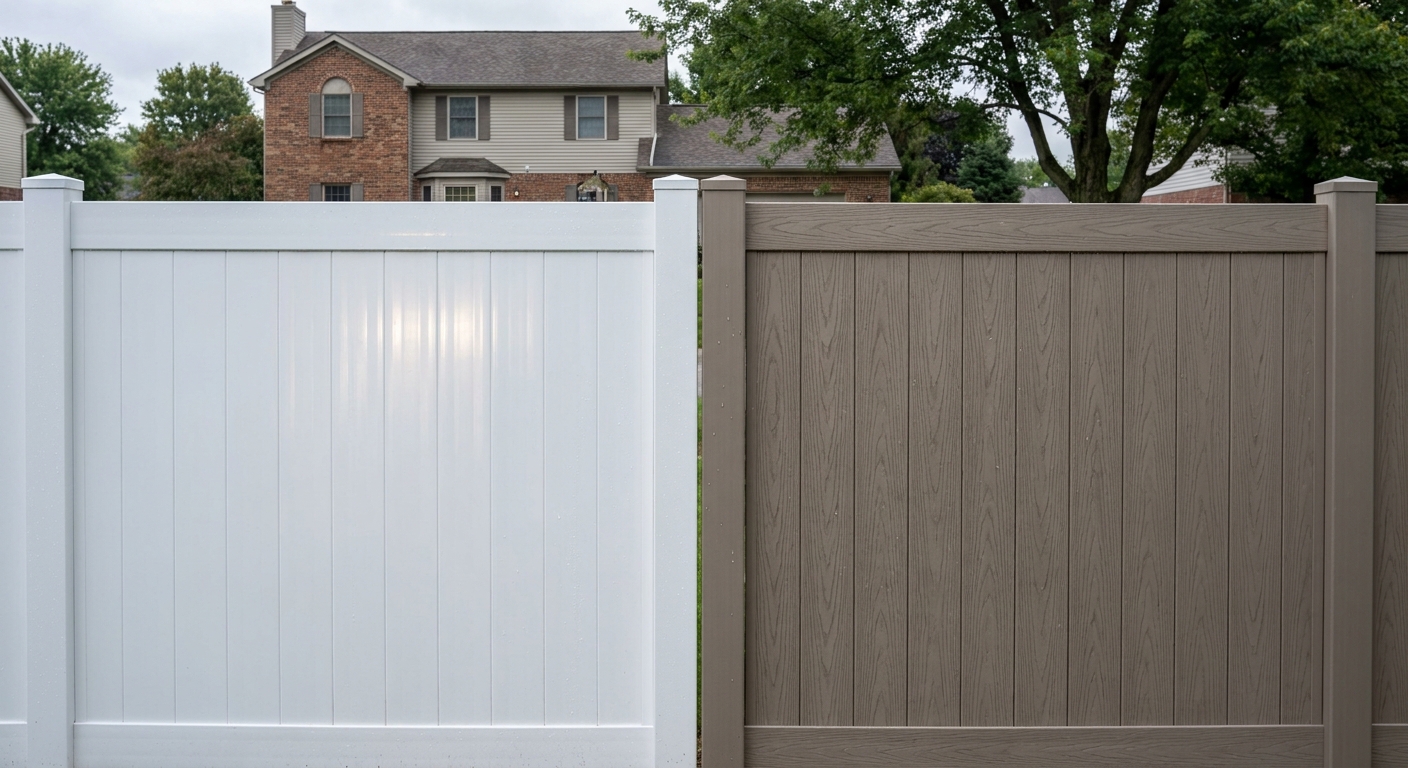
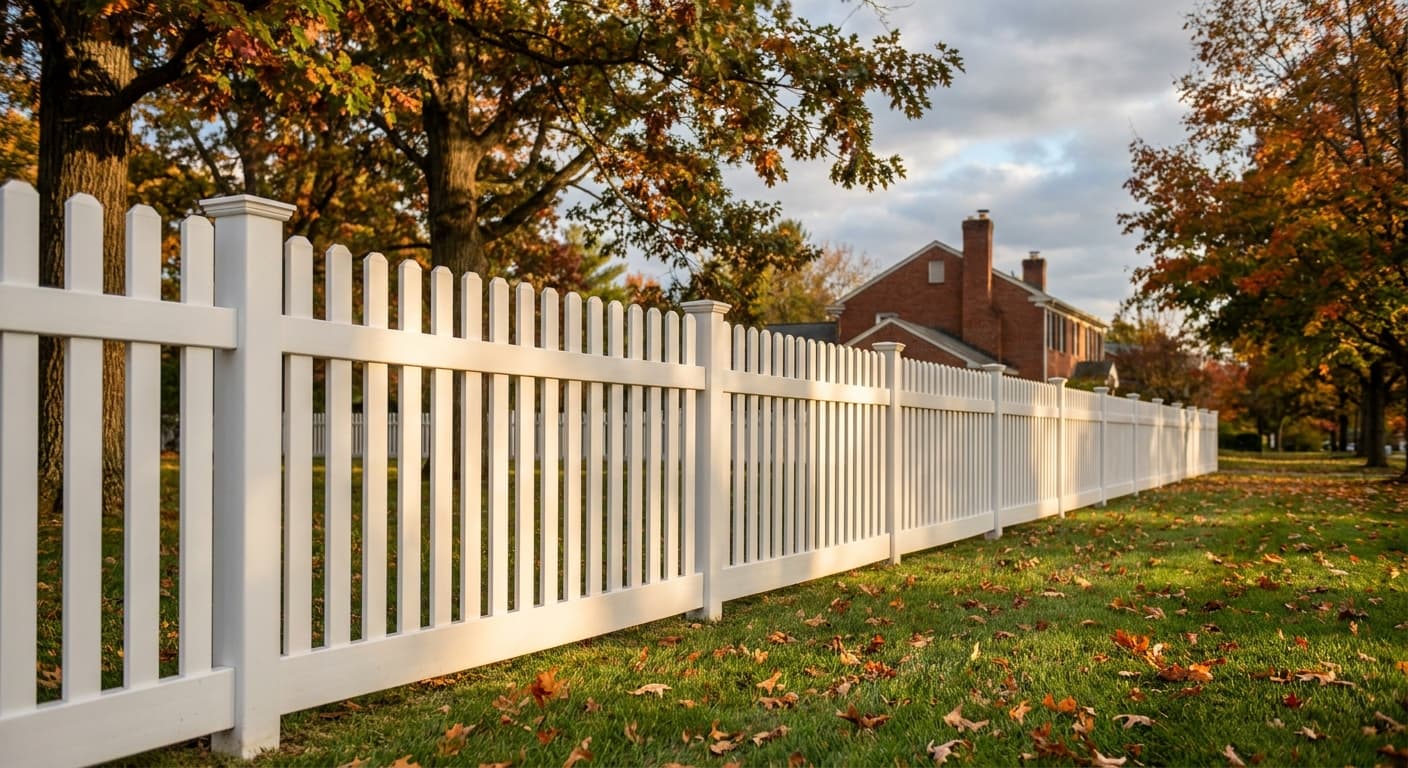
Vinyl privacy fencing has become increasingly popular in Fort Wayne because it eliminates the maintenance burden of wood while offering superior durability against our harsh climate. Vinyl doesn't rot, warp, splinter, or attract termites—critical advantages in areas with clay-heavy soil and significant moisture fluctuations. It's genuinely maintenance-free, requiring only occasional washing with a garden hose.
The primary drawback is upfront cost: vinyl typically runs $25–40 per linear foot installed, roughly double the price of pressure-treated wood. However, many homeowners consider this a worthwhile investment given the decades-long lifespan and zero maintenance requirements. Vinyl also has a more plastic appearance that some find less appealing than natural wood, though modern vinyl profiles mimic wood grain convincingly. Important note: vinyl can become brittle in extreme cold, so ensure your installer uses cold-climate-rated vinyl formulations designed for USDA Zone 5b winters.
- Vinyl composite: $25–40 per linear foot installed
- No staining, sealing, or painting needed
- Lifespan: 25–30+ years
- Resistant to rot, insects, and weather damage
- Limited color options (mostly white, gray, brown)
Are Composite Privacy Fences Right for Fort Wayne Properties?
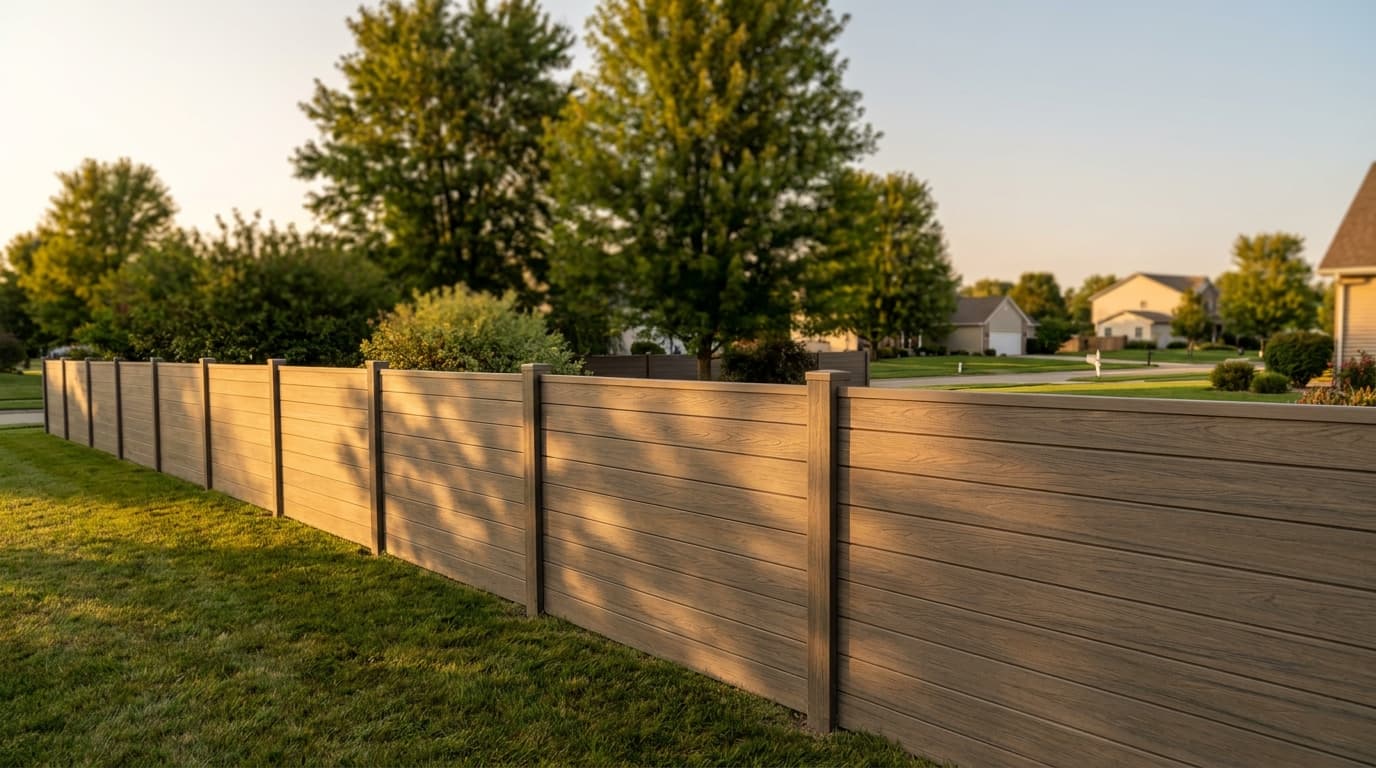
Composite fencing blends wood fibers with plastic resin to create a material that looks like real wood but performs like vinyl. It's the middle ground between wood's aesthetics and vinyl's durability. Composite fences are low-maintenance, won't rot or splinter, and offer more natural color variations than vinyl. For Fort Wayne homeowners wanting wood's appearance without wood's upkeep, composites are an attractive option.
The trade-off is cost and potential mold growth. Composite fencing ranges from $30–45 per linear foot installed—more expensive than wood but comparable to high-end vinyl. In Northeast Indiana's humid summers, composite materials can occasionally develop mold or mildew on shaded sections, though this is cosmetic and easily cleaned. Composites also don't expand and contract as much as wood, making them more stable in freeze-thaw cycles. For busy homeowners in Fort Wayne who value aesthetics without constant maintenance, composite is an excellent choice.
Composite and vinyl fences eliminate the maintenance that catches most Fort Wayne homeowners off-guard—but they cost more upfront. Choose based on how long you plan to stay in your home and your tolerance for annual upkeep.
How Does Fort Wayne's Climate Impact Fence Material Selection?
Northeast Indiana experiences significant seasonal extremes: winter temperatures drop to -10°F or lower, snow accumulation averages 30+ inches annually, and summer humidity can exceed 80%. These conditions affect fence materials differently. Wood expands and contracts with temperature and moisture changes, eventually leading to warping and cracking. Vinyl becomes brittle in extreme cold unless properly formulated. Clay-heavy Fort Wayne soil also retains moisture around fence posts, accelerating rot in wood materials.
When installing a privacy fence in Fort Wayne, consider these climate factors:
- Freeze-thaw cycles: Opt for vinyl or composite rather than standard wood
- Moisture retention: Use pressure-treated wood or ensure proper post drainage
- Wind exposure: Ensure professional installation with concrete footings (48 inches deep minimum)
- Shade and mold: Watch for mildew on composite in low-light areas
What Should You Consider for Long-Term Fence Value?
The cheapest fence material upfront isn't always the best investment. Calculate total cost of ownership—including installation, maintenance, repairs, and replacement timeline. A wood fence costing $12,000 to install but requiring $500–800 in annual staining and repairs will cost significantly more over 20 years than a vinyl fence costing $18,000 with zero maintenance.
Consider your lifestyle too. If you enjoy yard projects and regular upkeep, wood can be rewarding and cost-effective. If you prefer spending weekends elsewhere, vinyl or composite saves time and frustration. For Fort Wayne properties, resale value often favors well-maintained vinyl or composite fences over aging wood—a meaningful factor if you may sell within 10–15 years.
Ready to install a privacy fence that matches your Fort Wayne property and lifestyle? Our hardscaping services include professional fence installation with site-specific material recommendations. We understand Northeast Indiana's climate and soil conditions intimately. Request a free quote today and let's discuss which material is right for your home.