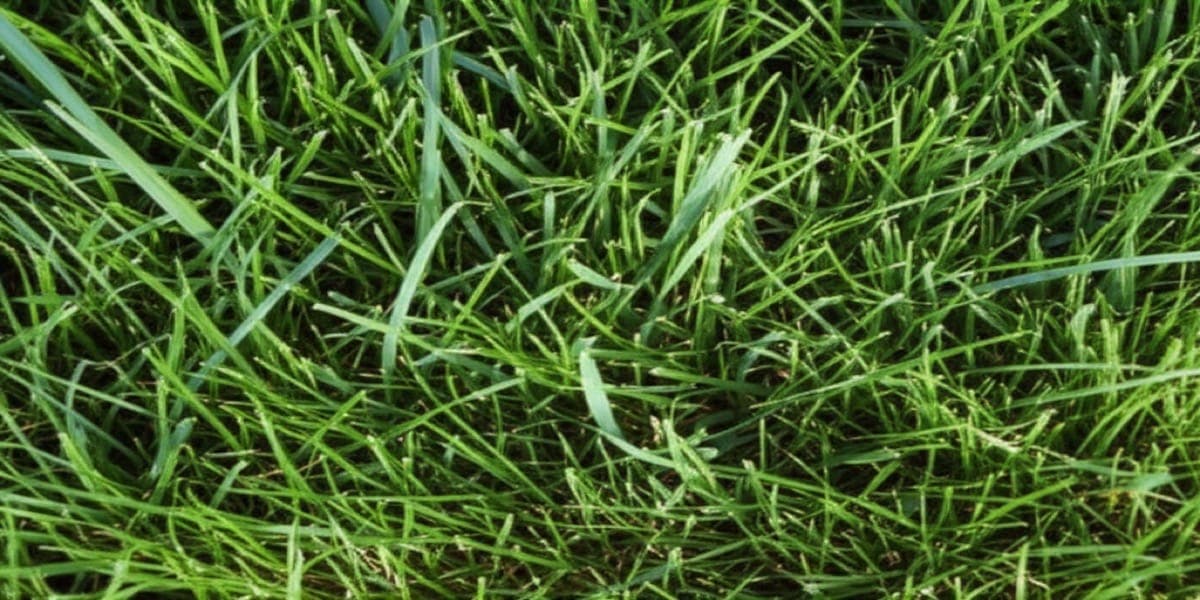
Choosing the right grass type for your Fort Wayne lawn is one of the most important decisions you’ll make for your property’s curb appeal and maintenance needs. Northeast Indiana’s climate—with its cold winters, hot summers, and everything in between—limits your options to cool-season grasses, but within that category, selecting the best variety for your specific conditions makes a dramatic difference in lawn performance and appearance.
In this guide, I’ll compare the four main cool-season grass types that thrive in our region, explain which situations favor each variety, and help you make an informed choice whether you’re establishing a new lawn or overseeding an existing one.

What Grass Types Grow Best in Fort Wayne?
The best grass types for Fort Wayne and Northeast Indiana are cool-season varieties: Kentucky bluegrass for premium appearance in sunny areas, tall fescue for durability and drought tolerance, perennial ryegrass for quick establishment and mixing, and fine fescue for shaded areas. Most successful lawns use a blend of multiple varieties to combine their strengths.
Cool-Season Grass Overview
| Grass Type | Best For | Appearance | Maintenance |
|---|---|---|---|
| Kentucky Bluegrass | Sunny, high-visibility lawns | Premium, fine texture | Medium-high |
| Tall Fescue | High-traffic, drought-prone areas | Medium texture | Medium |
| Perennial Ryegrass | Quick cover, mixing | Medium-fine texture | Medium |
| Fine Fescue | Shade, low-maintenance | Fine texture | Low |
Why Cool-Season Grasses Work Here
Fort Wayne sits in USDA Hardiness Zones 5b/6a, characterized by:
- Cold winters - Temps regularly below 0°F
- Hot summers - 90°F+ periods common
- Variable precipitation - Both drought and wet periods
- Clay-heavy soils - Common throughout region
Cool-season grasses thrive when air temperatures are 60-75°F (spring and fall) and survive winter dormancy. They struggle during summer heat but recover in fall—a pattern opposite to warm-season grasses used in southern states.
Why Warm-Season Grasses Don’t Work
Warm-season grasses like Bermuda, Zoysia, and St. Augustine:
- Die or severely damage in our winters
- Go dormant much of the year
- Turn brown from October through May
- Not recommended for permanent Northeast Indiana lawns
What Is Kentucky Bluegrass and When Should You Use It?
Kentucky bluegrass is the premium choice for sunny Fort Wayne lawns, prized for its fine texture, rich dark green color, and ability to spread and self-repair through underground rhizomes. It’s the dominant grass on well-maintained properties throughout Northeast Indiana, though it requires more water and care than other varieties and performs poorly in shade.
Kentucky Bluegrass Characteristics
Appearance:
- Fine to medium blade texture
- Deep blue-green color
- Dense, carpet-like when healthy
- Clean, uniform look
Growth Habit:
- Spreads by underground rhizomes
- Self-repairs damaged areas
- Creates dense sod
- Fills in bare spots naturally
Requirements:
- Full sun (6+ hours daily)
- 1-1.5 inches water weekly
- Regular fertilization (4-5 apps/year)
- Mowing at 3-3.5 inches
Kentucky Bluegrass Performance
| Factor | Rating | Notes |
|---|---|---|
| Appearance | Excellent | Best-looking cool-season grass |
| Shade tolerance | Poor | Needs 6+ hours sun |
| Drought tolerance | Fair | Goes dormant, recovers |
| Traffic tolerance | Good | Self-repairs damage |
| Cold hardiness | Excellent | Perfect for Indiana winters |
| Heat tolerance | Fair | Stresses in summer |
| Maintenance | Medium-High | Needs consistent care |
When to Choose Kentucky Bluegrass
Ideal for:
- Front lawns (high visibility)
- Full-sun properties
- Homeowners wanting premium appearance
- Properties with irrigation
- Areas where self-repair matters
Not ideal for:
- Shaded yards
- Low-maintenance preference
- No irrigation, drought-prone
- Minimal care commitment
Popular Kentucky Bluegrass Varieties
| Variety | Standout Features |
|---|---|
| Midnight | Darkest color, disease resistance |
| Award | Traffic tolerance, density |
| Barrister | Drought tolerance, color |
| Blue Note | Shade tolerance (for KBG) |
| Bewitched | Low growth, fewer mowings |

What Is Tall Fescue and When Should You Use It?
Tall fescue is the workhorse grass for high-traffic, drought-prone areas in Fort Wayne. Its deep root system (up to 6 inches) provides excellent drought tolerance, while its bunch-type growth and durability handle foot traffic better than Kentucky bluegrass. It adapts to a wider range of conditions but has a coarser texture that some homeowners find less attractive.
Tall Fescue Characteristics
Appearance:
- Medium to coarse blade texture
- Medium green color
- Can appear clumpy if thin
- Newer varieties are finer-textured
Growth Habit:
- Bunch-type (doesn’t spread)
- Does not self-repair
- Must overseed to thicken
- Deep root system (6+ inches)
Requirements:
- Full sun to partial shade
- 1 inch water weekly (tolerates less)
- Moderate fertilization (3-4 apps/year)
- Mowing at 3.5-4 inches
Tall Fescue Performance
| Factor | Rating | Notes |
|---|---|---|
| Appearance | Good | Coarser than KBG |
| Shade tolerance | Good | Handles 4-5 hours sun |
| Drought tolerance | Excellent | Deep roots |
| Traffic tolerance | Excellent | Very durable |
| Cold hardiness | Good | Survives Indiana winters |
| Heat tolerance | Good | Better than KBG |
| Maintenance | Medium | Lower input needs |
When to Choose Tall Fescue
Ideal for:
- High-traffic areas (kids, pets)
- Properties without irrigation
- Hot, dry microclimates
- Partial shade areas
- Lower-maintenance preference
Not ideal for:
- Premium appearance priority
- Existing KBG lawn (texture mismatch)
- Heavy shade
Popular Tall Fescue Varieties
| Variety | Standout Features |
|---|---|
| Regenerate | Self-repairing capability |
| Titanium 2LS | Dark color, fine texture |
| Bullseye | Traffic tolerance |
| Falcon IV | Disease resistance |
| 4th Millennium SRP | Heat tolerance |
Turf-Type vs Traditional Tall Fescue
Modern “turf-type” tall fescue differs from the clumpy “K-31” variety of the past:
- Finer blade texture
- Denser growth habit
- Better color
- More disease resistance
- Choose turf-type varieties for lawns
What Is Fine Fescue and When Should You Use It?
Fine fescue refers to a group of shade-tolerant grasses—creeping red fescue, chewings fescue, hard fescue, and sheep fescue—that thrive where other grasses struggle. They’re the best choice for shaded areas under trees, require less maintenance and water than other varieties, but don’t tolerate heavy traffic or hot, wet conditions well.
Fine Fescue Characteristics
Appearance:
- Very fine blade texture
- Medium to light green color
- Soft, almost feathery look
- Can appear thin if stressed
Growth Habit:
- Some spread (creeping red)
- Some bunch-type (hard, chewings)
- Forms delicate turf
- Tolerates low fertility
Requirements:
- Shade to partial sun
- Low water needs
- Minimal fertilization (1-2 apps/year)
- Mowing at 2.5-3.5 inches
Fine Fescue Types
| Type | Spread | Shade Tolerance | Notes |
|---|---|---|---|
| Creeping Red | Yes (rhizomes) | Excellent | Most common |
| Chewings | No (bunch) | Good | Dense, fine |
| Hard Fescue | No (bunch) | Good | Very low maintenance |
| Sheep Fescue | No (bunch) | Fair | Extremely low input |
Fine Fescue Performance
| Factor | Rating | Notes |
|---|---|---|
| Appearance | Good | Fine, soft texture |
| Shade tolerance | Excellent | Best for shade |
| Drought tolerance | Good | Goes dormant, recovers |
| Traffic tolerance | Poor | Not for play areas |
| Cold hardiness | Excellent | Very hardy |
| Heat tolerance | Fair | Struggles in hot, wet |
| Maintenance | Low | Minimal inputs |
When to Choose Fine Fescue
Ideal for:
- Shaded areas under trees
- Low-maintenance goals
- Northern exposures
- Naturalized/low-input areas
- Mixing with other grasses
Not ideal for:
- High-traffic areas
- Full sun, hot areas
- Properties wanting dense turf
- Sports/play areas

What Is Perennial Ryegrass and When Should You Use It?
Perennial ryegrass germinates in just 5-7 days, making it valuable for quick cover and establishing nurse crops for slower varieties. It has a fine texture and rich color, tolerates traffic well, but doesn’t spread and can struggle in Indiana’s temperature extremes. It’s most commonly used in seed blends rather than as a standalone variety.
Perennial Ryegrass Characteristics
Appearance:
- Fine to medium blade texture
- Deep green, glossy color
- Attractive, uniform appearance
- Similar to Kentucky bluegrass
Growth Habit:
- Bunch-type (doesn’t spread)
- Must overseed to thicken
- Very fast germination (5-7 days)
- Quick to establish
Requirements:
- Full sun to partial shade
- Moderate water needs
- Regular fertilization
- Mowing at 2.5-3 inches
Perennial Ryegrass Performance
| Factor | Rating | Notes |
|---|---|---|
| Appearance | Excellent | Fine, dark green |
| Shade tolerance | Fair | Prefers sun |
| Drought tolerance | Fair | Moderate |
| Traffic tolerance | Good | Durable |
| Cold hardiness | Fair | Can winter-kill |
| Heat tolerance | Fair | Struggles in extremes |
| Maintenance | Medium | Standard care |
When to Choose Perennial Ryegrass
Ideal for:
- Quick cover needed
- Mixing with other varieties
- Erosion control
- Patching bare spots
- Athletic fields
Not ideal for:
- Standalone lawns in Fort Wayne
- Extreme temperature areas
- Long-term without reseeding
Why Ryegrass in Blends
Perennial ryegrass is valuable in seed blends because:
- Quick germination - Provides cover while slower grasses establish
- Nurse crop effect - Protects slower seedlings
- Aesthetic improvement - Adds fine texture to blends
- Traffic tolerance - Durability in mixes
- Fill capability - Quickly fills thin spots
Should You Use a Grass Seed Blend or Single Variety?
For most Fort Wayne lawns, a quality blend of 2-4 grass varieties outperforms any single variety by combining the strengths of each grass type while minimizing weaknesses. A typical high-quality blend might contain 60% Kentucky bluegrass, 20% perennial ryegrass, and 20% fine fescue for an adaptable lawn that handles varying conditions across your property.
Benefits of Blends
Diversity advantages:
- Different varieties tolerate different conditions
- Disease affecting one type won’t kill entire lawn
- Adapts to microclimates within property
- Better overall appearance year-round
Performance improvements:
- Quick establishment (ryegrass)
- Self-repair (Kentucky bluegrass)
- Shade tolerance (fine fescue)
- Drought resistance (tall fescue)
Common Blend Compositions
| Blend Type | Typical Mix | Best For |
|---|---|---|
| Sun blend | 60% KBG, 25% PRG, 15% fine fescue | Full sun lawns |
| Shade blend | 50% fine fescue, 30% KBG, 20% PRG | 4-6 hours shade |
| Heavy shade | 80% fine fescue, 20% KBG | Deep shade |
| High traffic | 60% tall fescue, 30% KBG, 10% PRG | Kids, pets, play |
| Low maintenance | 50% tall fescue, 40% fine fescue, 10% KBG | Less care |
When Single Varieties Make Sense
Use pure Kentucky bluegrass when:
- Premium appearance is priority
- Full sun throughout property
- Willing to provide high maintenance
- Want maximum self-repair ability
Use pure tall fescue when:
- Durability is priority
- Consistent texture desired
- Lower maintenance preferred
- Drought tolerance critical
Reading Seed Labels
Quality seed bags show:
- Variety names (not just “Kentucky bluegrass”)
- Germination percentage (85%+ preferred)
- Weed seed percentage (0% preferred)
- Test date (within past year)
- Pure seed percentage
Avoid bags showing:
- “VNS” (variety not stated)
- Annual ryegrass (dies after one year)
- High weed seed percentage
- Old test dates

How Do You Choose Grass Based on Your Site Conditions?
Choosing the right grass requires evaluating your specific site conditions: sun exposure throughout the day, soil type and drainage, expected traffic levels, irrigation availability, and how much maintenance you’re willing to provide. No single grass type is best for every situation—success comes from matching variety to conditions.
Site Assessment Guide
Sun Exposure:
- Full sun (6+ hours): Kentucky bluegrass, tall fescue, perennial ryegrass
- Partial shade (4-6 hours): Tall fescue, fine fescue, shade-tolerant KBG
- Heavy shade (< 4 hours): Fine fescue only (or consider alternatives)
Soil Conditions:
- Clay (common in Fort Wayne): Tall fescue, Kentucky bluegrass
- Sandy: Tall fescue, fine fescue
- Poor drainage: Tall fescue (tolerates better)
- Good drainage: Any variety
Traffic Level:
- Low traffic: Kentucky bluegrass, fine fescue
- Moderate traffic: Kentucky bluegrass, tall fescue
- Heavy traffic: Tall fescue, tall fescue/KBG blend
Water Availability:
- Irrigation available: Kentucky bluegrass
- No irrigation: Tall fescue, fine fescue
- Drought-prone: Tall fescue
Decision Matrix
| Your Priority | Best Choice | Second Choice |
|---|---|---|
| Best appearance | Kentucky bluegrass | Turf-type tall fescue |
| Lowest maintenance | Fine fescue | Tall fescue |
| Best shade tolerance | Fine fescue | Tall fescue |
| Best drought tolerance | Tall fescue | Fine fescue |
| Best traffic tolerance | Tall fescue | Kentucky bluegrass |
| Quickest establishment | Perennial ryegrass | Tall fescue |
| Self-repair ability | Kentucky bluegrass | Creeping red fescue |
Common Fort Wayne Scenarios
Scenario 1: Full-sun front yard, irrigation, want premium look → Kentucky bluegrass or KBG-dominant blend
Scenario 2: Backyard with kids and dogs, some shade → Tall fescue or tall fescue/KBG blend
Scenario 3: Heavily shaded under mature oaks → Fine fescue blend or consider alternatives
Scenario 4: Full property, varying conditions → Quality sun/shade blend throughout
What Are the Best Practices for Establishing New Grass?
Establishing new grass successfully requires proper timing (fall preferred), thorough soil preparation, quality seed at correct rates, consistent moisture during germination, and patience during establishment. Whether seeding or sodding, following best practices dramatically improves results and reduces the need for costly repairs.
Establishment Methods Compared
| Method | Cost | Speed | Success Rate | Best For |
|---|---|---|---|---|
| Seeding | $ | 6-8 weeks | 80%+ with care | Large areas, budget |
| Sod | $$$ | Immediate | 95%+ | Small areas, instant results |
| Hydroseeding | $$ | 4-6 weeks | 85%+ | Slopes, erosion control |
Seeding Best Practices
Timing:
- Best: September 1-20 (fall)
- Acceptable: April 15-May 15 (spring)
- Avoid: Summer
Soil Preparation:
- Remove existing vegetation
- Test and amend soil if needed
- Grade for drainage
- Loosen top 2-4 inches
- Add starter fertilizer
Seeding:
- Use quality certified seed
- Apply at recommended rate (see earlier section)
- Ensure seed-to-soil contact
- Light roll or rake to incorporate
Post-Seeding:
- Keep moist until germination
- Water lightly, frequently
- Don’t mow until 3+ inches
- First mow at high setting
- Gradually transition to normal care
Establishment Timeline
| Week | Stage | Care Focus |
|---|---|---|
| 1-2 | Germination | Keep moist constantly |
| 3-4 | Seedlings | Reduce to daily watering |
| 5-6 | Establishment | Normal watering, first mow |
| 7-8 | Filling in | Regular mowing |
| 9-12 | Maturing | Normal care routine |

Choose the Right Grass for Your Property
The grass you choose affects your lawn’s appearance, maintenance needs, and long-term success. Take time to assess your site conditions honestly, prioritize what matters most to you, and select a variety or blend matched to your property’s reality rather than its aspirations.
Need help selecting or establishing the right grass for your Fort Wayne property? We’re here to help.
Request a Free Quote or call us at (260) 450-4676 for professional lawn installation and renovation services.
Frequently Asked Questions
Can I mix Kentucky bluegrass and tall fescue?
You can, but the texture difference is noticeable. Kentucky bluegrass has fine blades while tall fescue is coarser. If mixing, the tall fescue will stand out. Many homeowners prefer using one or the other, or using newer fine-textured tall fescue varieties that blend better.
How long does it take grass seed to fill in?
Germination takes 7-21 days depending on variety (ryegrass fastest, Kentucky bluegrass slowest). Full establishment takes 6-8 weeks. Kentucky bluegrass will continue spreading for 1-2 years to reach maximum density.
Why is my grass different colors in different areas?
Different grass types have different colors—Kentucky bluegrass is blue-green, tall fescue is medium green, fine fescue is lighter green. If you have a blend, varying light conditions may favor different grasses in different areas, creating color variation.
Can I overseed tall fescue into Kentucky bluegrass?
You can, but the texture difference may be noticeable. Tall fescue patches may stand out in fine-textured Kentucky bluegrass. Consider overseeding with the same grass type, or using a blend that includes both.
What grass is best for dogs?
Tall fescue and Kentucky bluegrass both handle pet traffic. Tall fescue is slightly more durable, while Kentucky bluegrass self-repairs better. Either works with proper care. For urine damage, consider a designated dog area or immediate watering after urination.
How often should I overseed my lawn?
Annual fall overseeding benefits most lawns by maintaining density. Thin areas may need more seed, while healthy areas need just maintenance amounts (2-3 lbs/1,000 sq ft). Heavy renovation rates (8-10 lbs) are only needed for bare areas.
What grass needs the least water?
Fine fescue and tall fescue are the most drought-tolerant cool-season grasses. Both survive extended dry periods through dormancy. Kentucky bluegrass requires more water to stay green but will also survive drought through dormancy.
Should I use grass seed or sod?
Seed is more economical for large areas and allows you to choose specific varieties. Sod provides instant results and is better for erosion control. For small repairs and high-visibility areas, sod may be worth the higher cost. For large installations, seed is typically more practical.
Sources
- Purdue University Extension - Lawn Grasses
- Penn State Extension - Cool-Season Turfgrasses
- University of Illinois Extension - Grass Selection
- The Lawn Institute - Grass Varieties
- National Turfgrass Evaluation Program
Related Articles
- When to Start Mowing Your Lawn in Spring: Fort Wayne Timing Guide
- Lawn Fertilization Schedule for Northeast Indiana Climate
Adam Minnick is the owner of Minnick Lawn & Landscaping, serving Fort Wayne, Auburn, and Northeast Indiana since 2018. With years of experience in professional lawn care, Adam and his team help hundreds of local homeowners achieve beautiful, healthy lawns.